Most northern lights experiences involve standing outside in the cold, watching the sky, and waiting. Borealis Basecamp flips that completely. The entire property centers on the idea that I shouldn’t have to leave my room to see the sky.
I booked an overnight stay to see how that actually works in real life. This Borealis Basecamp review is based on my night on the ridge about 25 miles outside Fairbanks, where everything from the rooms to the activities is built around that one idea.
If you’re comparing different options, I break down all the main ways to see the aurora in my guide to seeing the northern lights in Fairbanks.
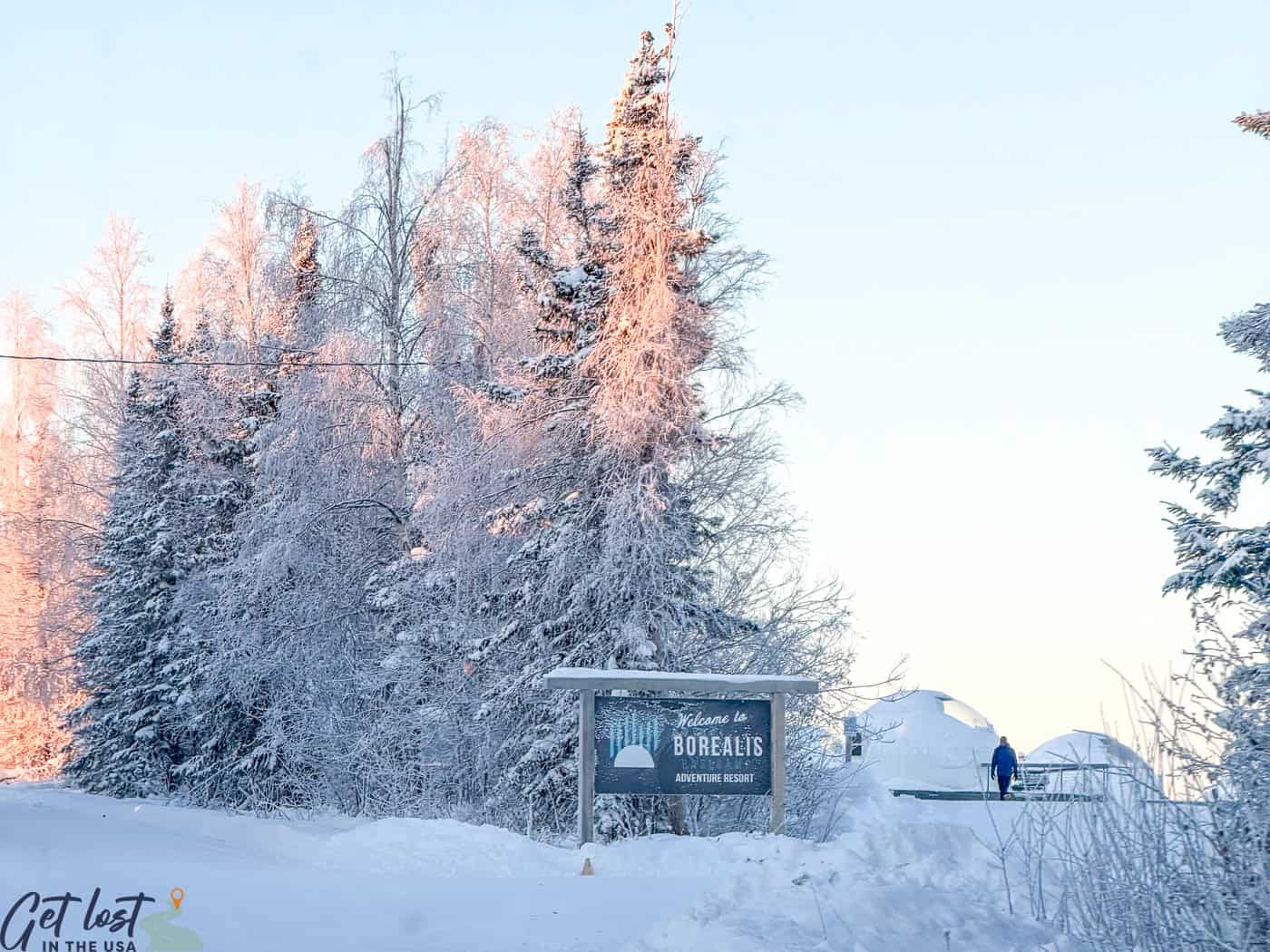
Thank you to Explore Fairbanks for arranging my visit to Borealis Basecamp. Everything here is based on my real experience.
Quick Take: Borealis Basecamp
- One of the most comfortable ways to see the northern lights near Fairbanks
- Stay in a dome or cube with large windows designed for sky viewing
- You can watch the aurora from your room or just steps outside
- Located away from city lights, so no driving or chasing required
- Best for travelers who want a low-effort, immersive overnight experience
- This is more of a splurge experience, so it’s not ideal if you’re on a budget
Arriving and Checking In at Borealis Basecamp
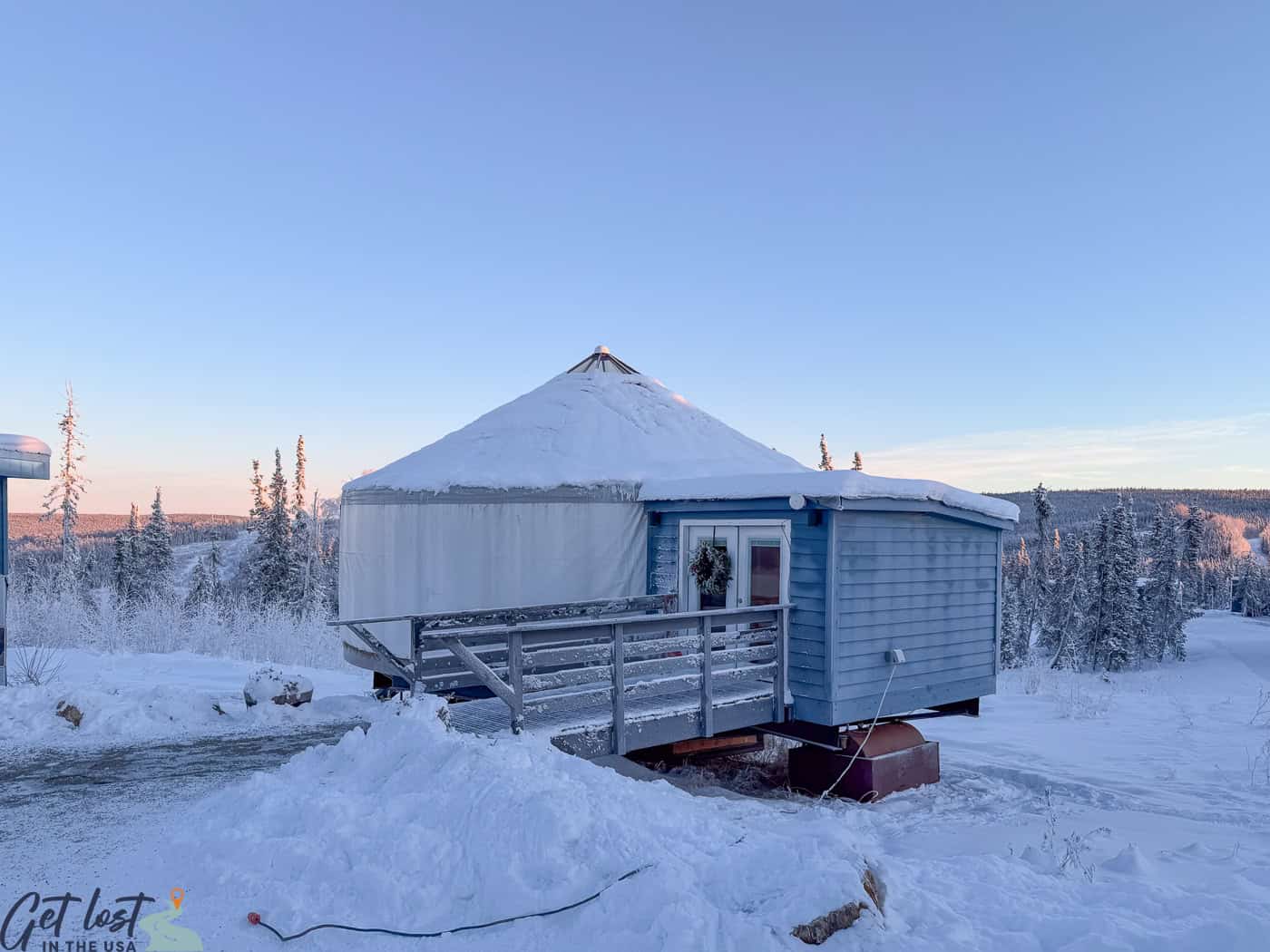
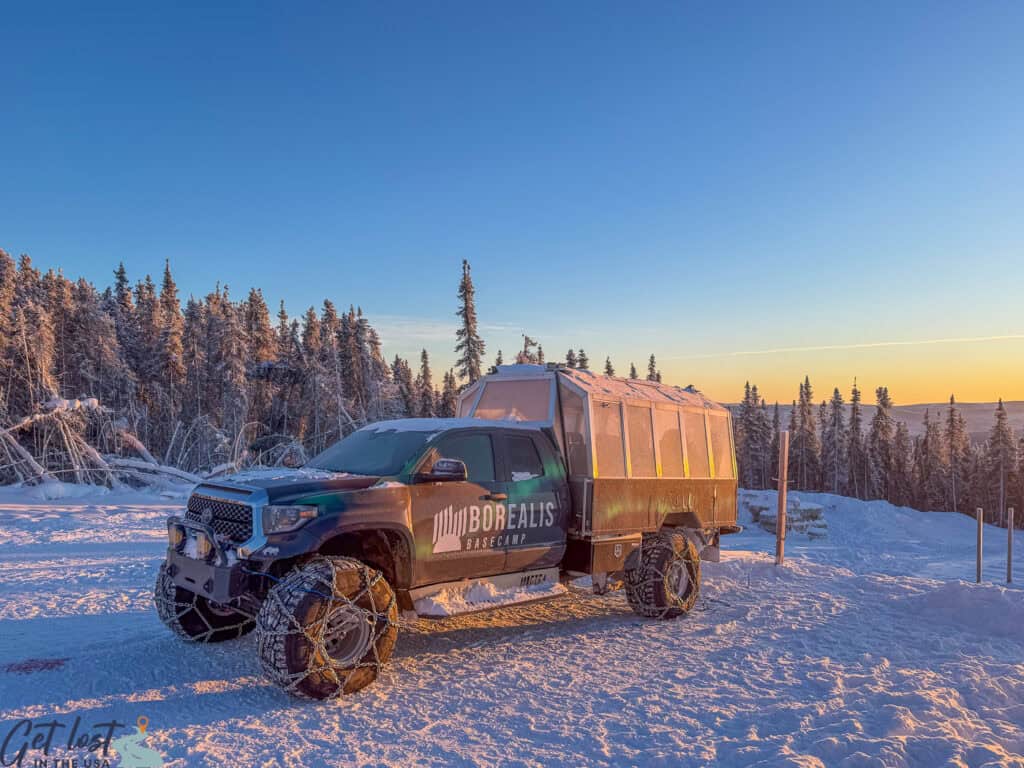
Borealis Basecamp includes shuttle service from major Fairbanks hotels and the airport with its overnight packages, so I took the shuttle. The driver shared all kinds of interesting tidbits about life in Alaska on the way there.
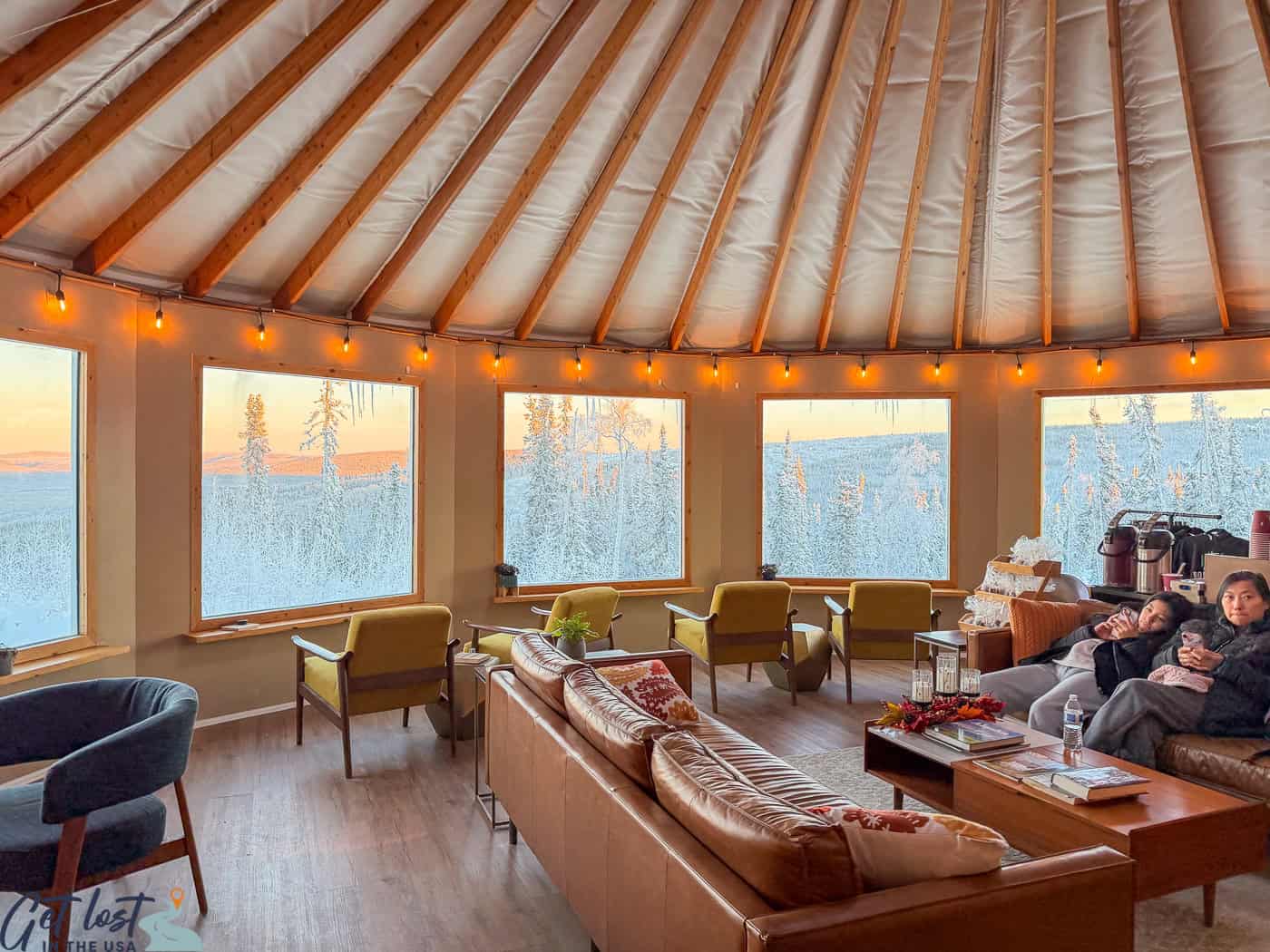
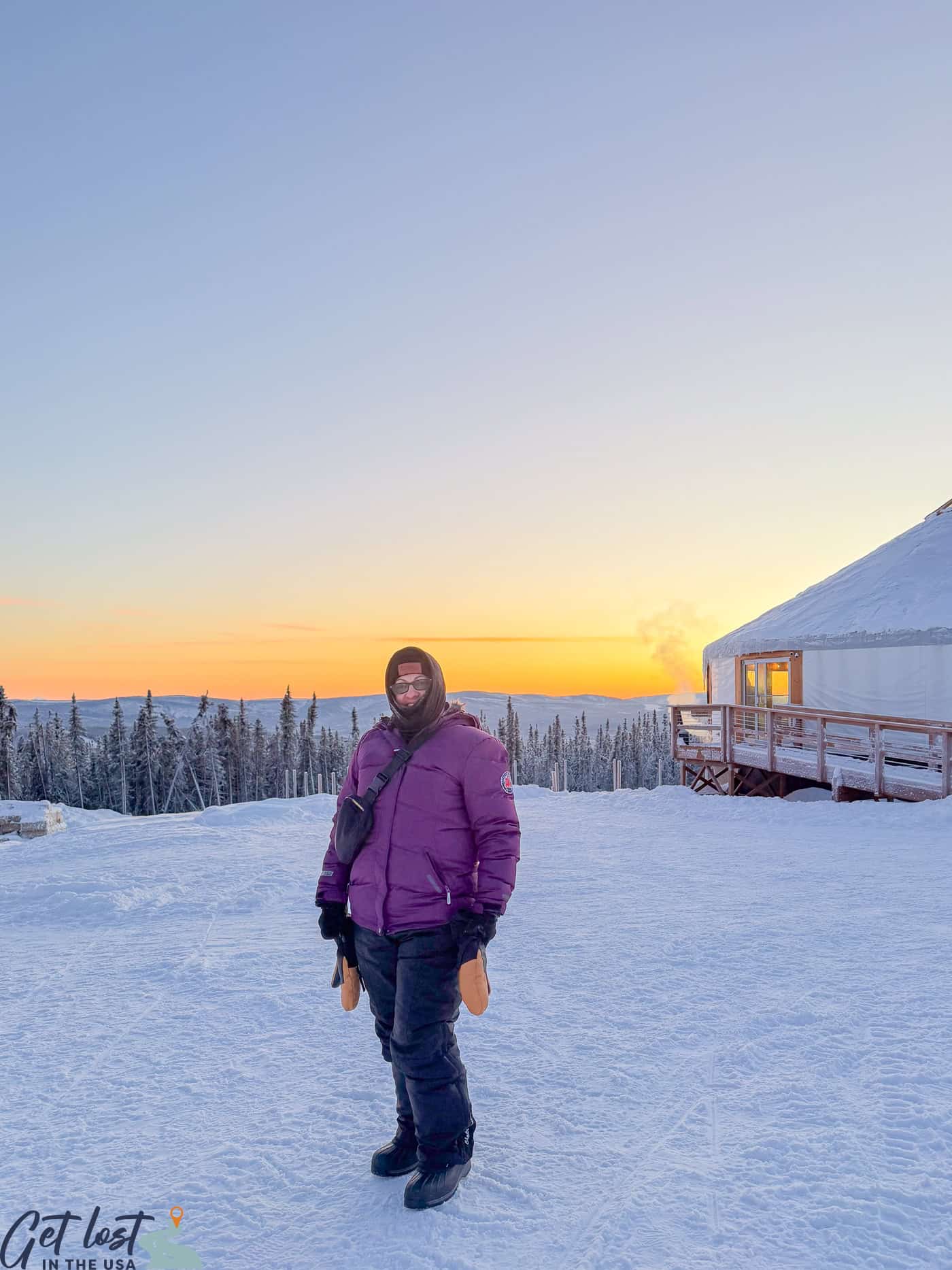
When I arrived, I stopped at the main yurt to drop off my luggage, pick up my list of pre-booked activities, and get a quick rundown of how everything works.
From there, I headed over to my cube to drop my things and see what the setup was actually like.
Staying in a Cube at Borealis Basecamp
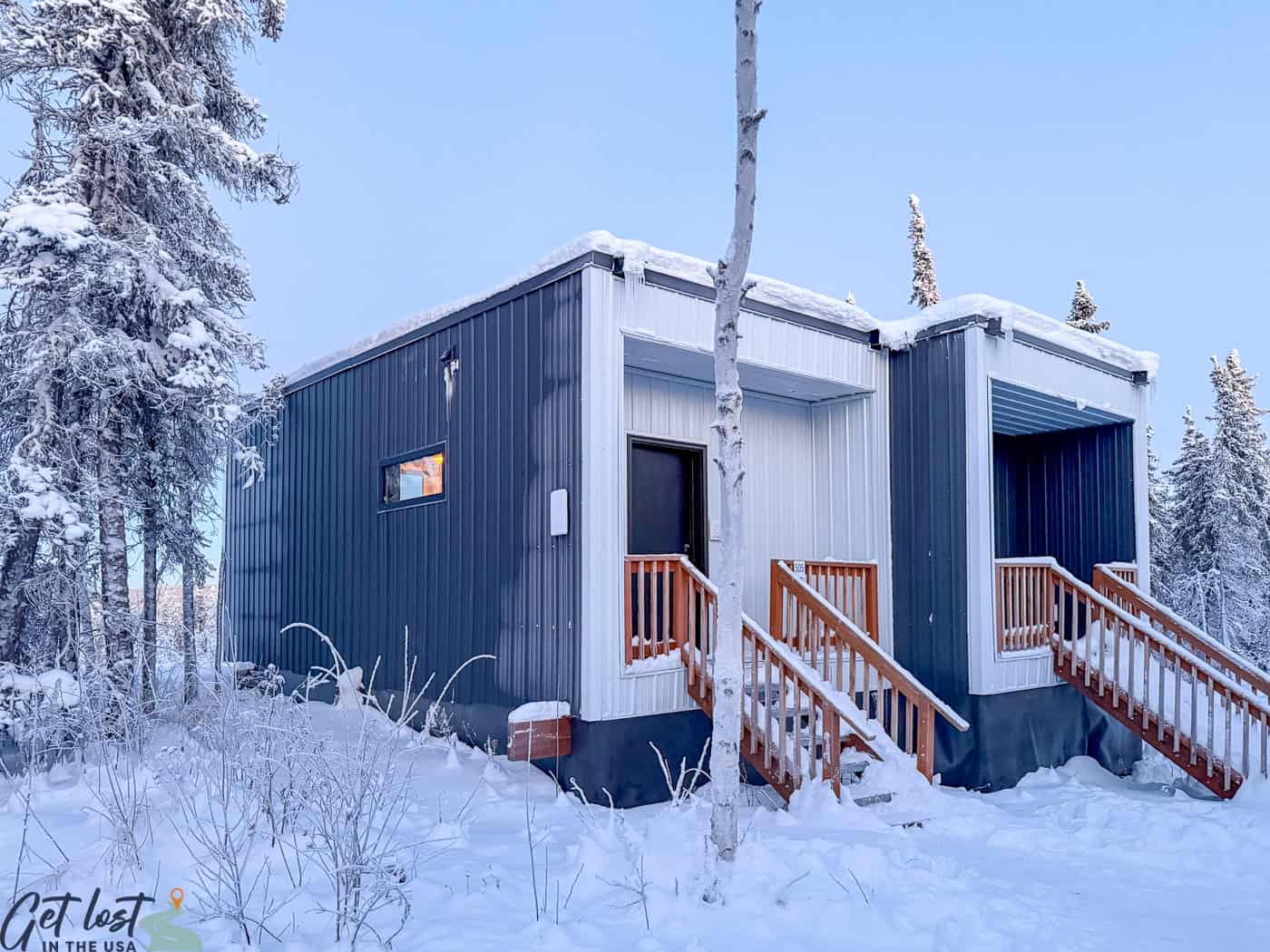
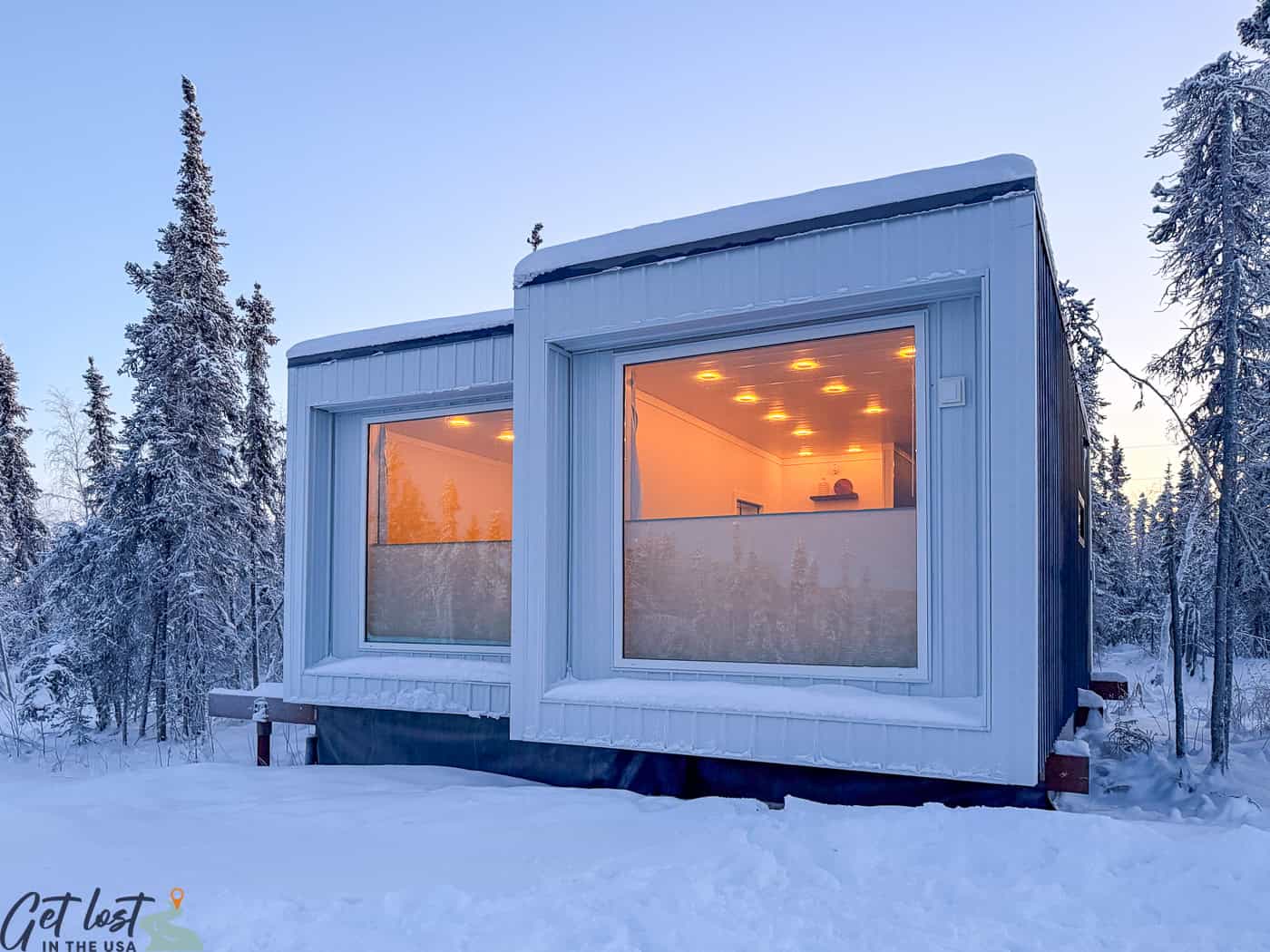
The newest accommodations at Basecamp are the modern cubes, and I stayed in a cube suite, which can sleep up to five people.
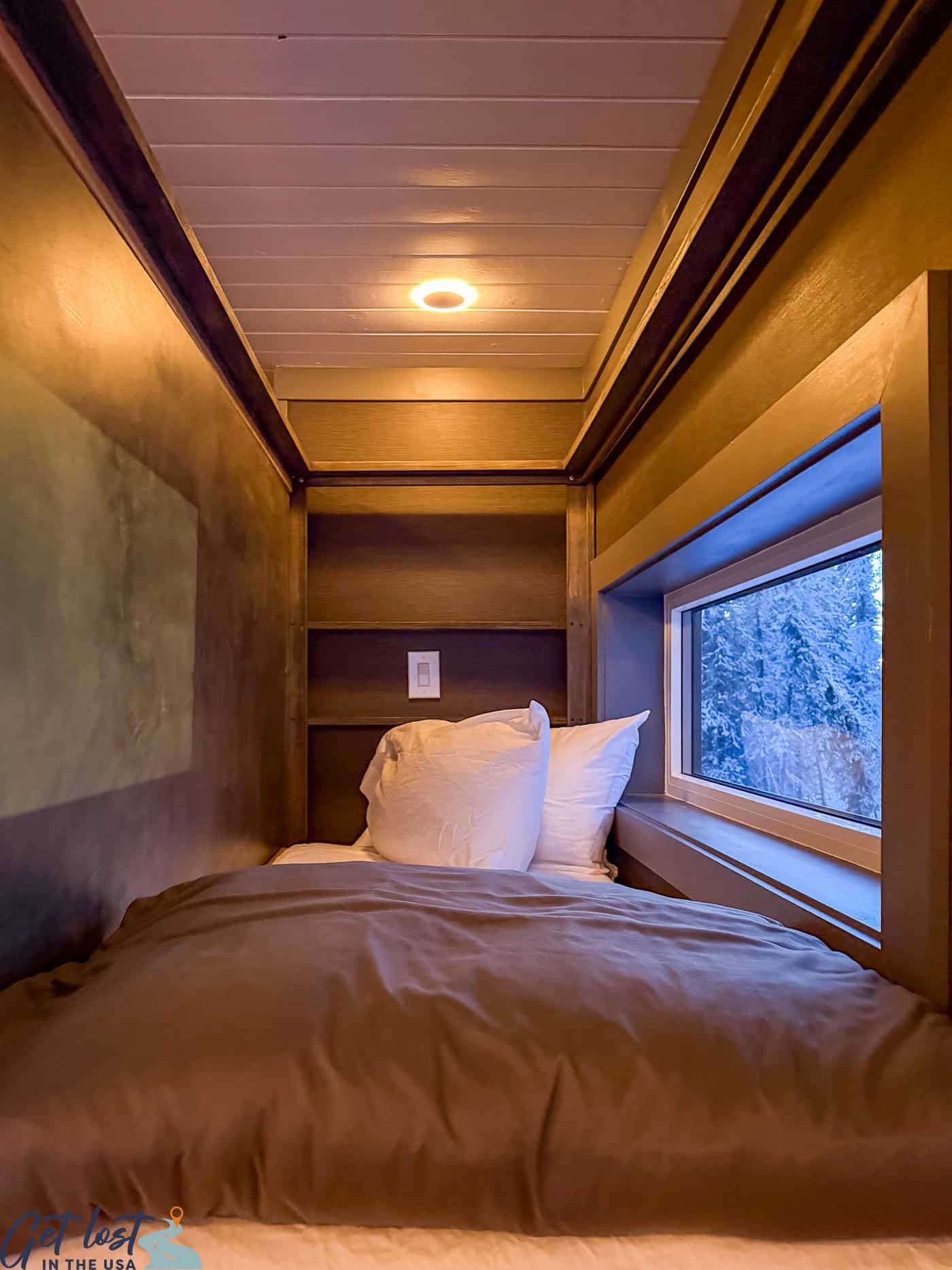
My suite had 10-foot floor-to-ceiling windows, with one in the sitting room and one in the bedroom. The window shades can be fully open or closed, or adjusted from the top or bottom, depending on how much sky you want to see. There are also curtains that can be pulled across for extra privacy in both the sitting area and the bedroom.
The massive windows let in plenty of daylight and kept the room feeling bright and open. At night, the view turned outward, and everything centered on the sky.
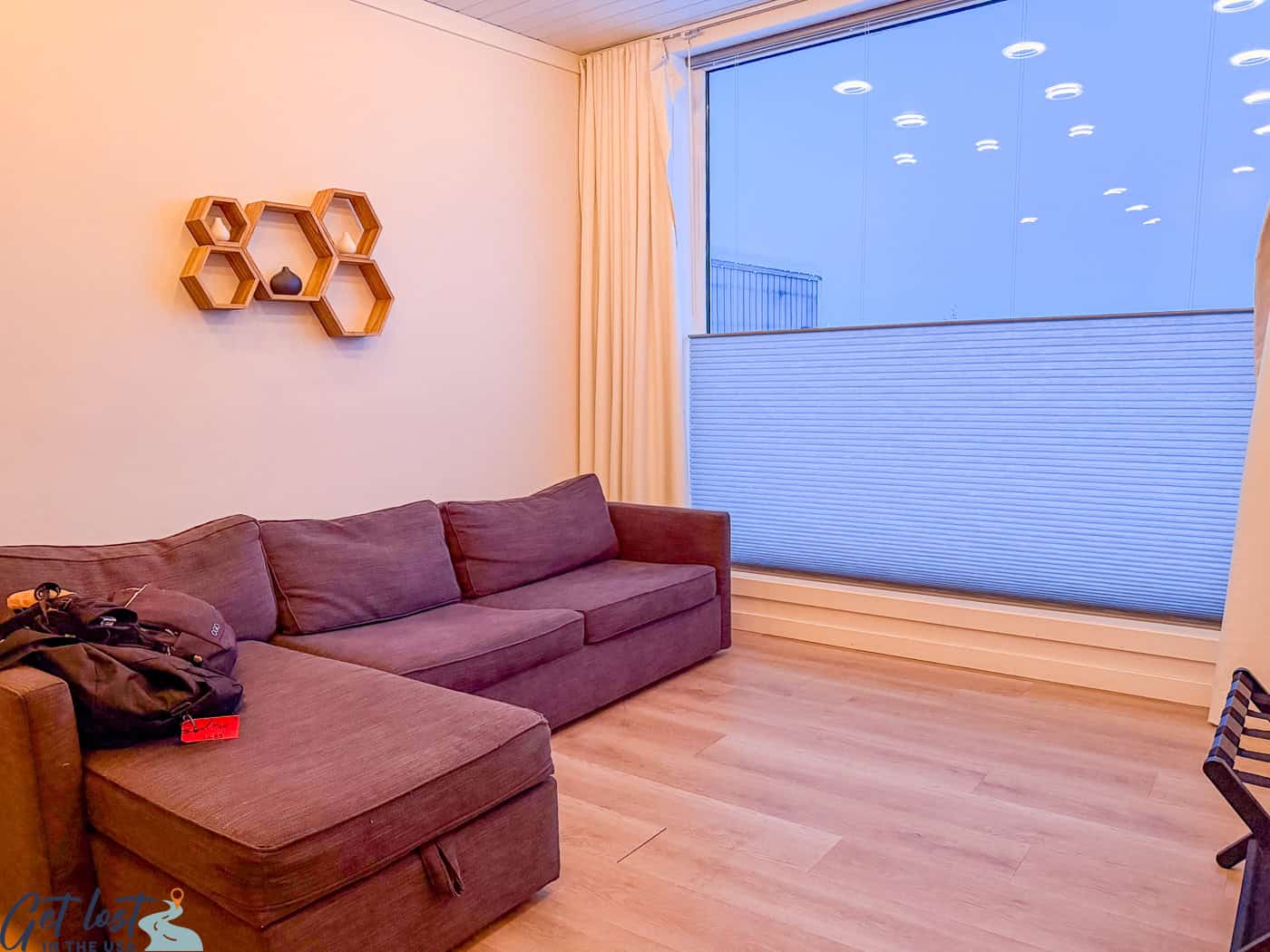
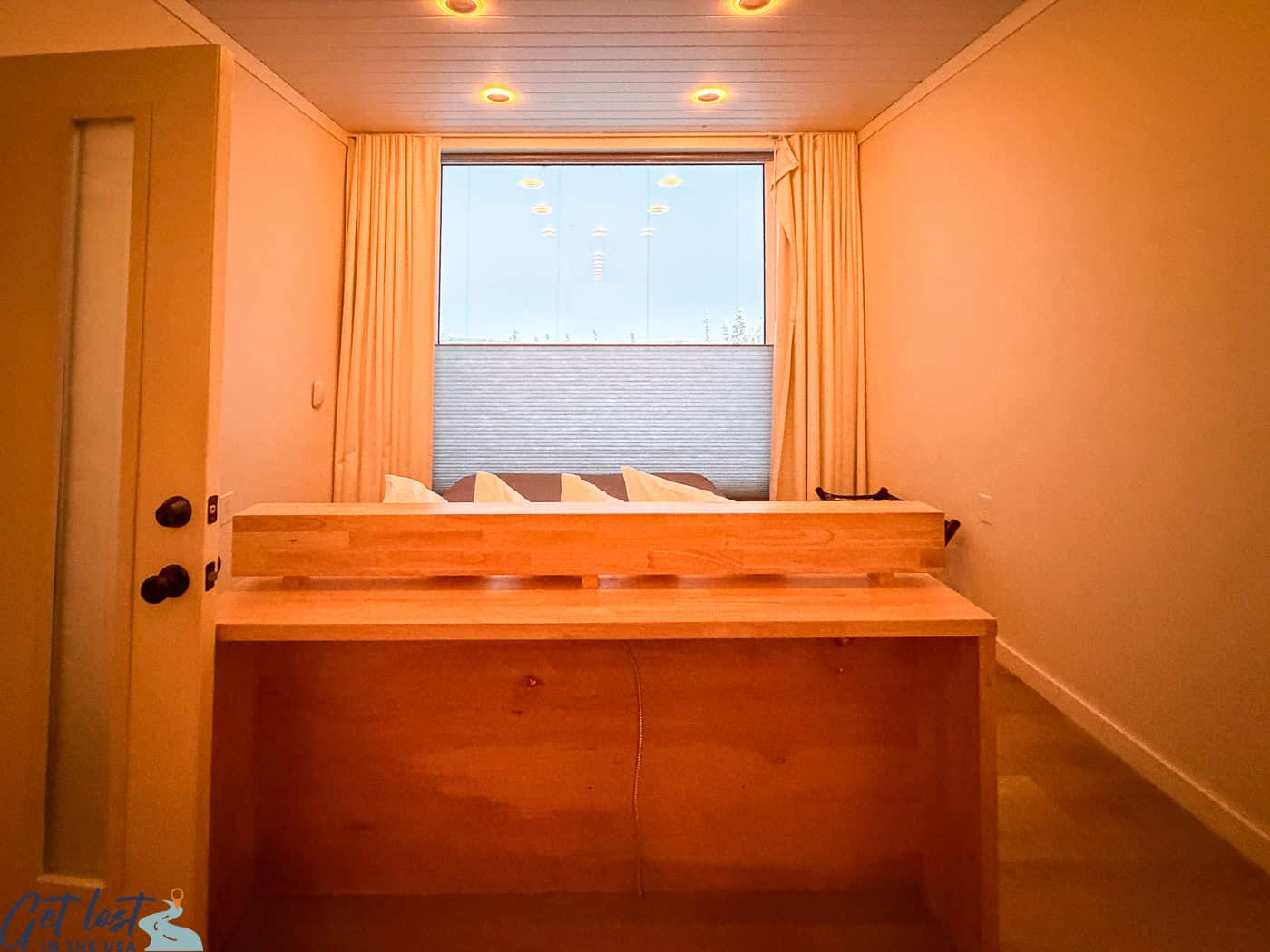
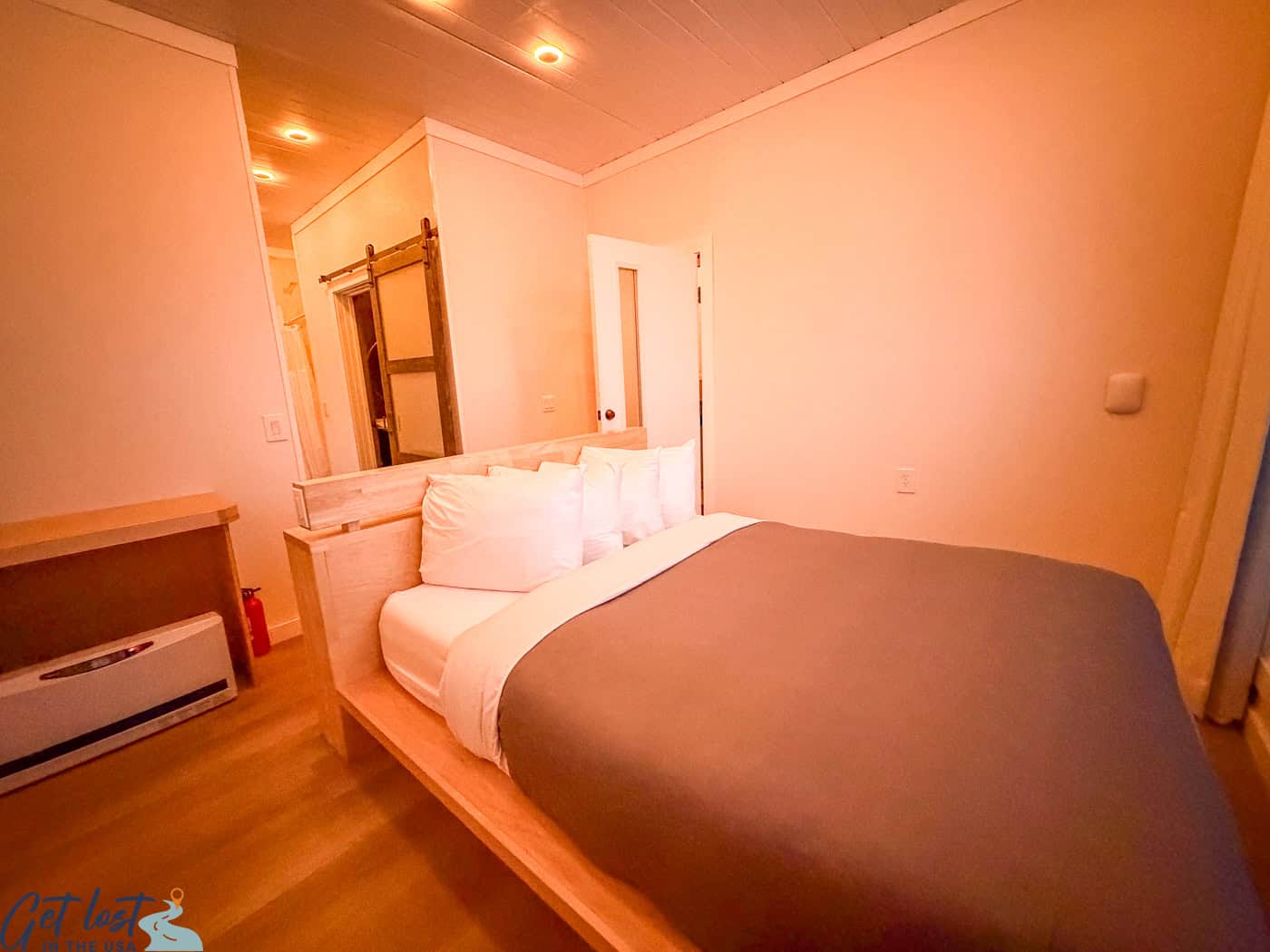
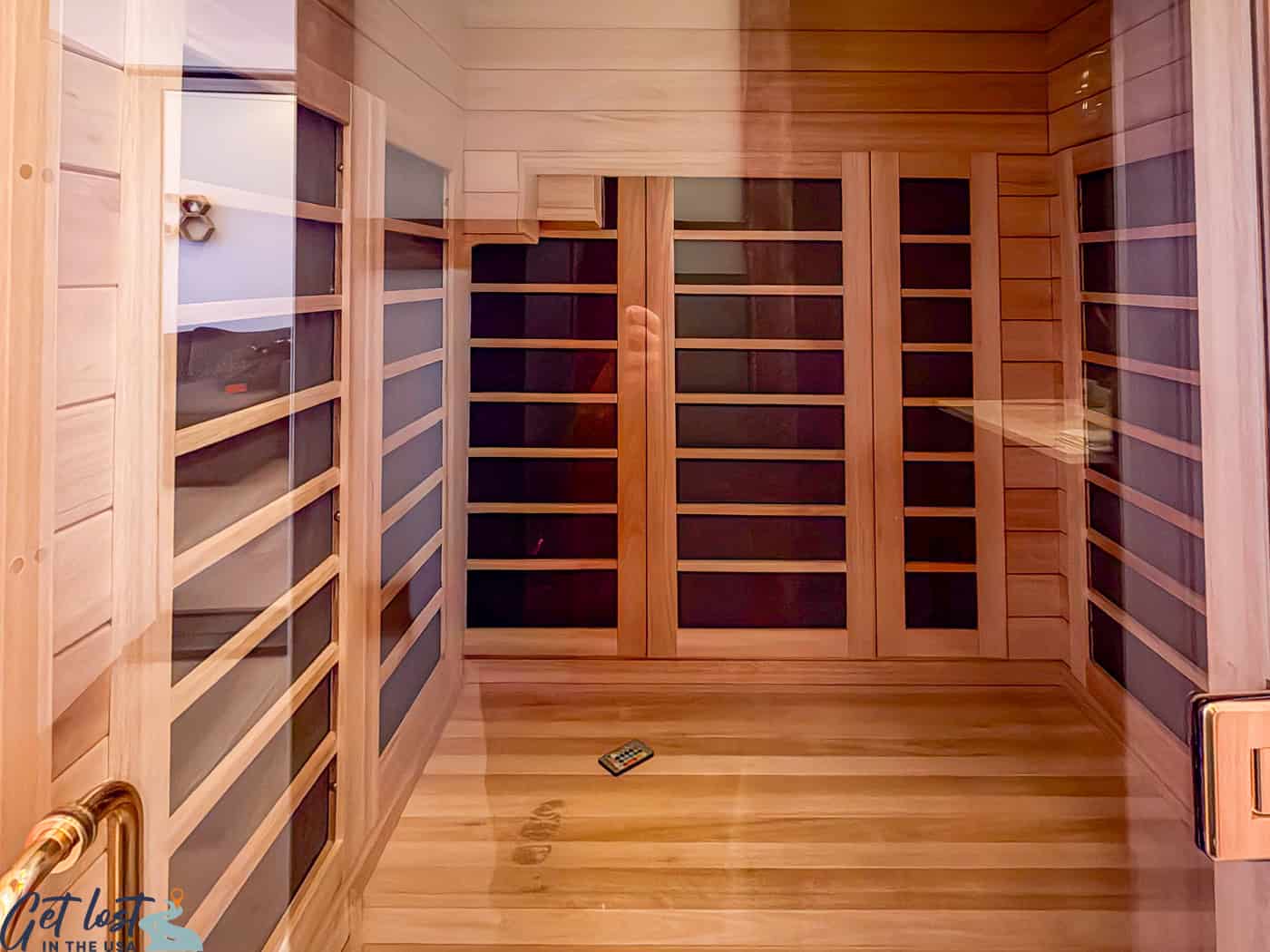
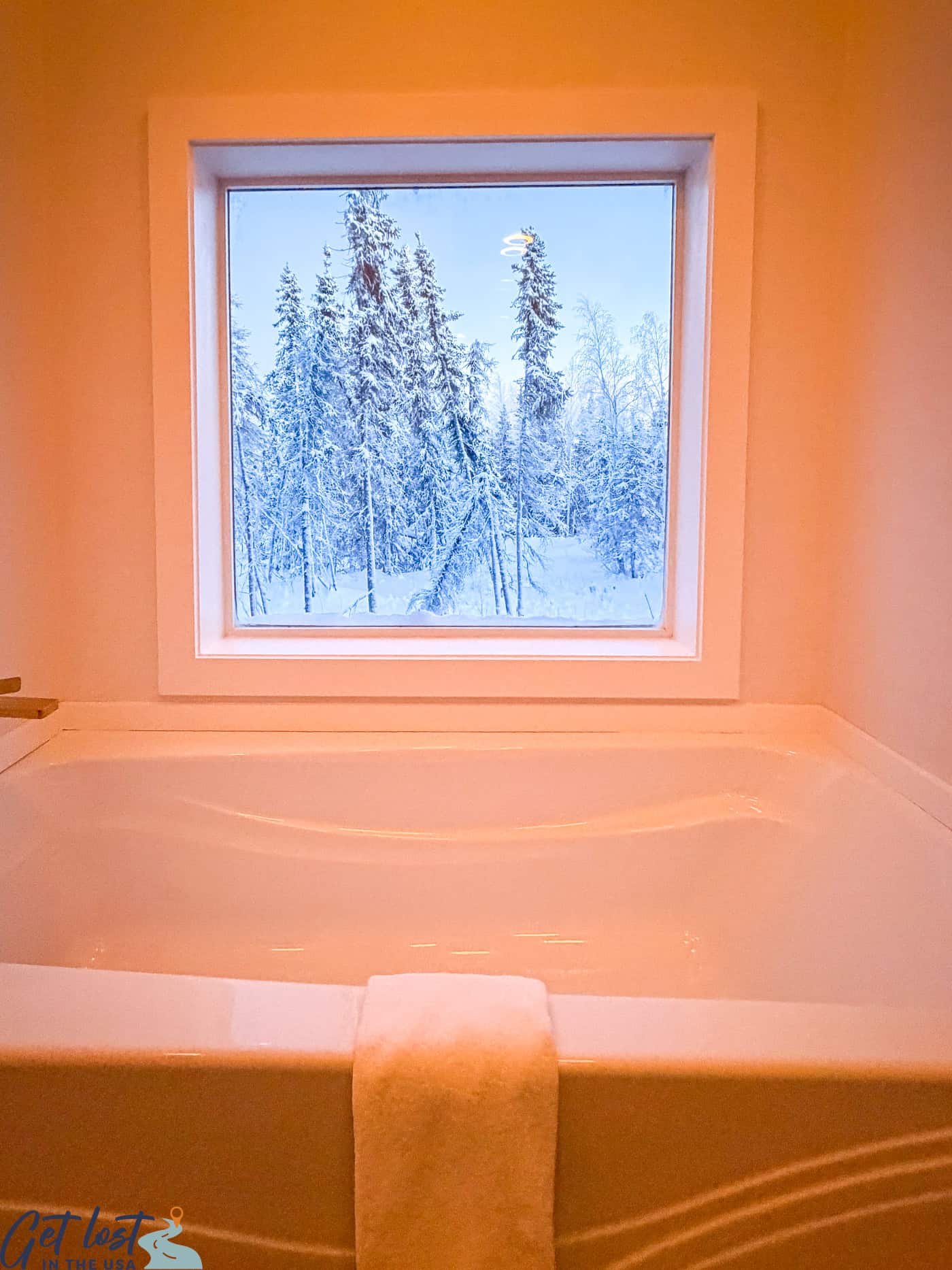
The cube suite also has a few standout extras, including a sauna and a sunken tub overlooking the ridge. The bed was really soft and comfortable, which felt especially good after a few late nights watching for the northern lights.
My favorite amenity in the cube suite was the electric kettle and a drawer stocked with hot cocoa, apple cider, and tea. Hot tea is my happy place, so I was thrilled. They even left a s’mores kit for the fire pit outside, and there was a mini fridge as well.
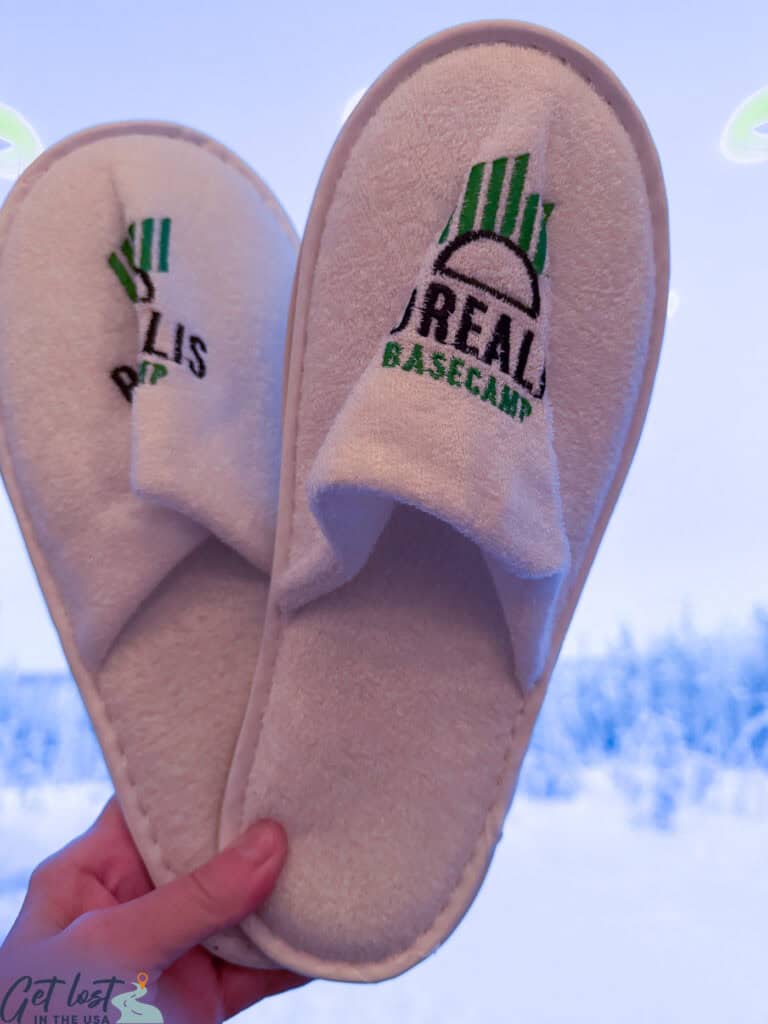
There were also plenty of shelves and hooks to handle all my winter gear, plus a cozy pair of slippers.
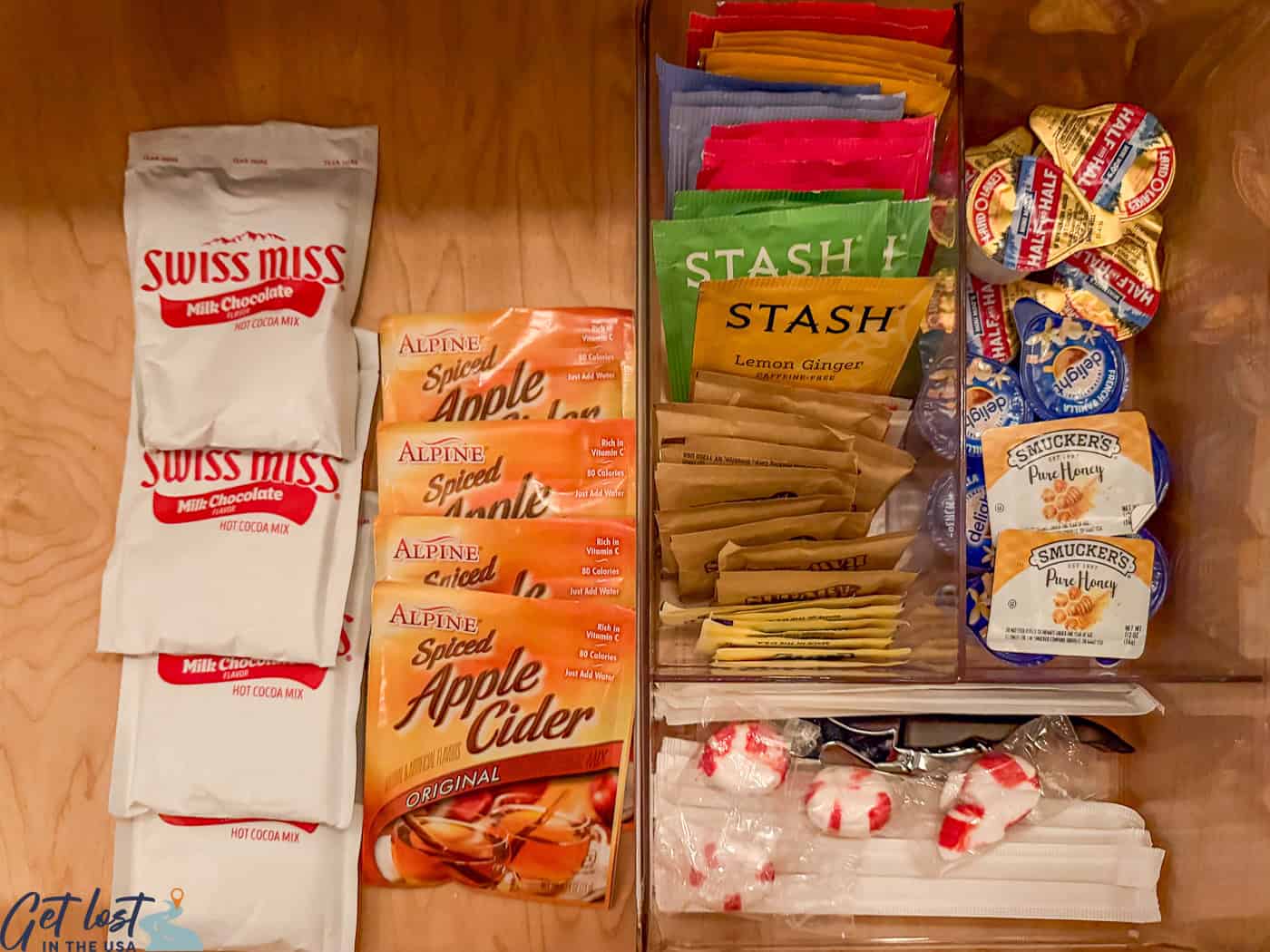
I loved staying in the cube suite and would absolutely choose it again. It ended up being the perfect way to experience the northern lights. (More on that later.)
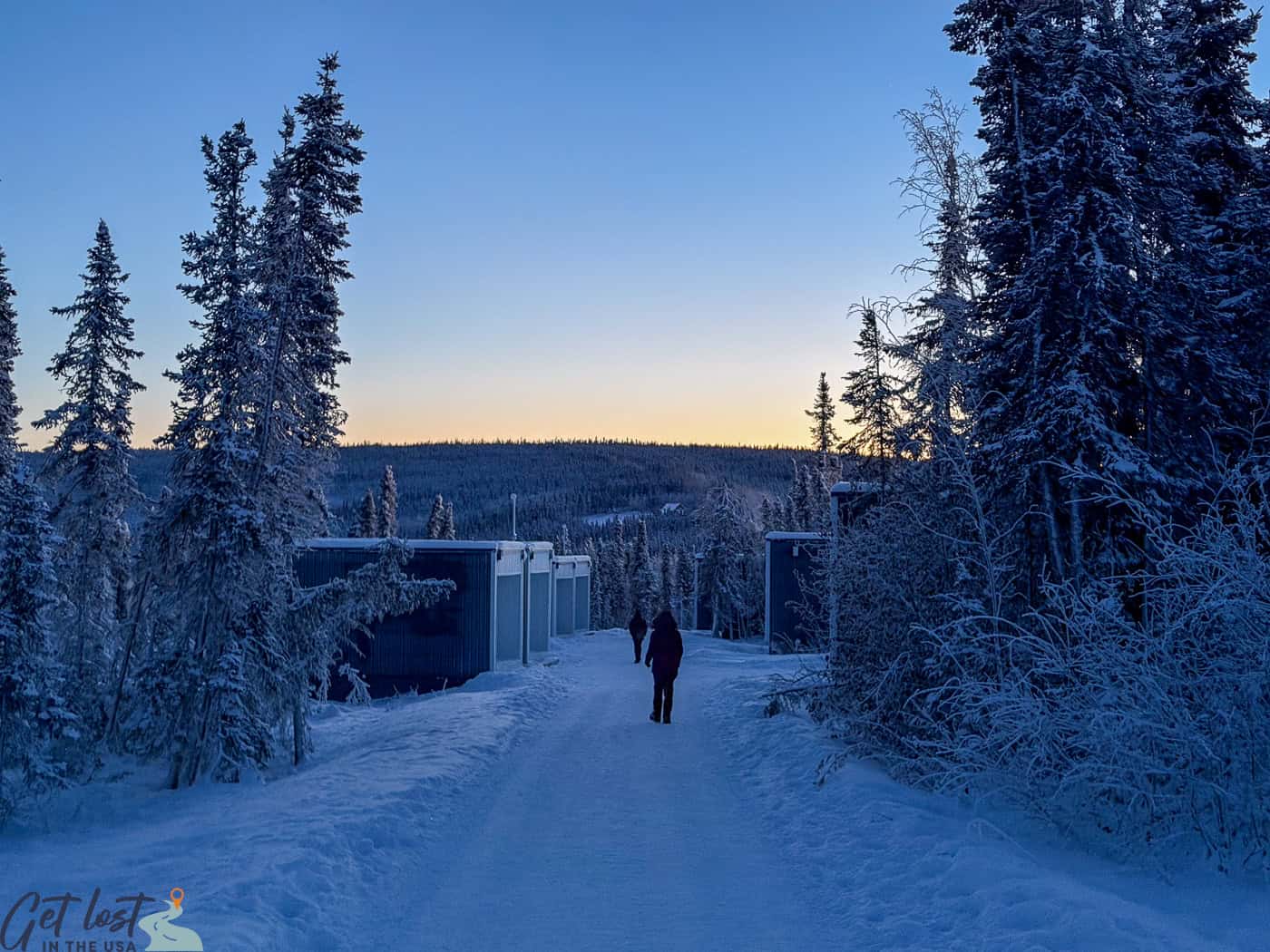
Cube vs Igloo at Borealis Basecamp: Which Should You Book?
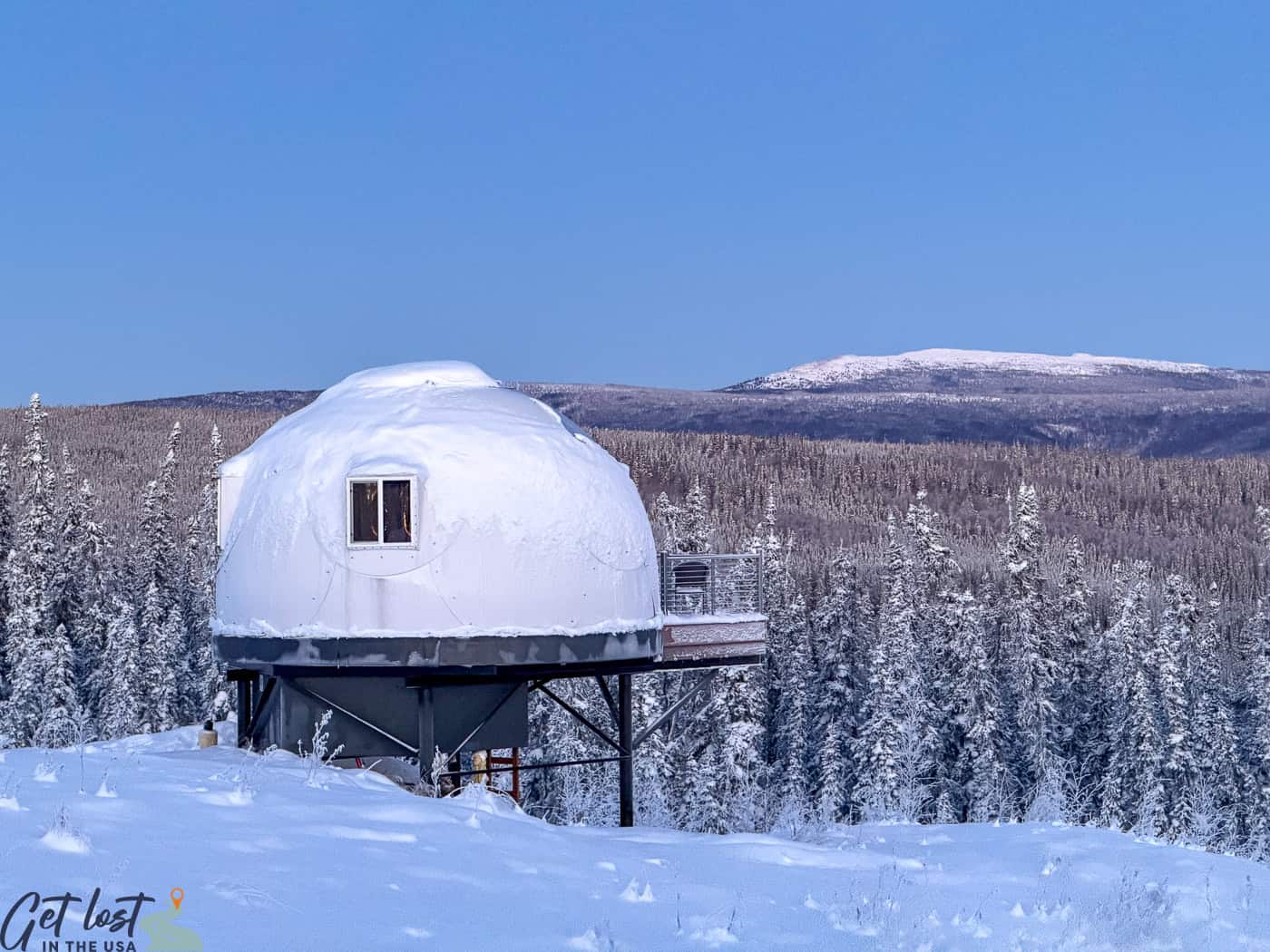
Choosing the Igloo
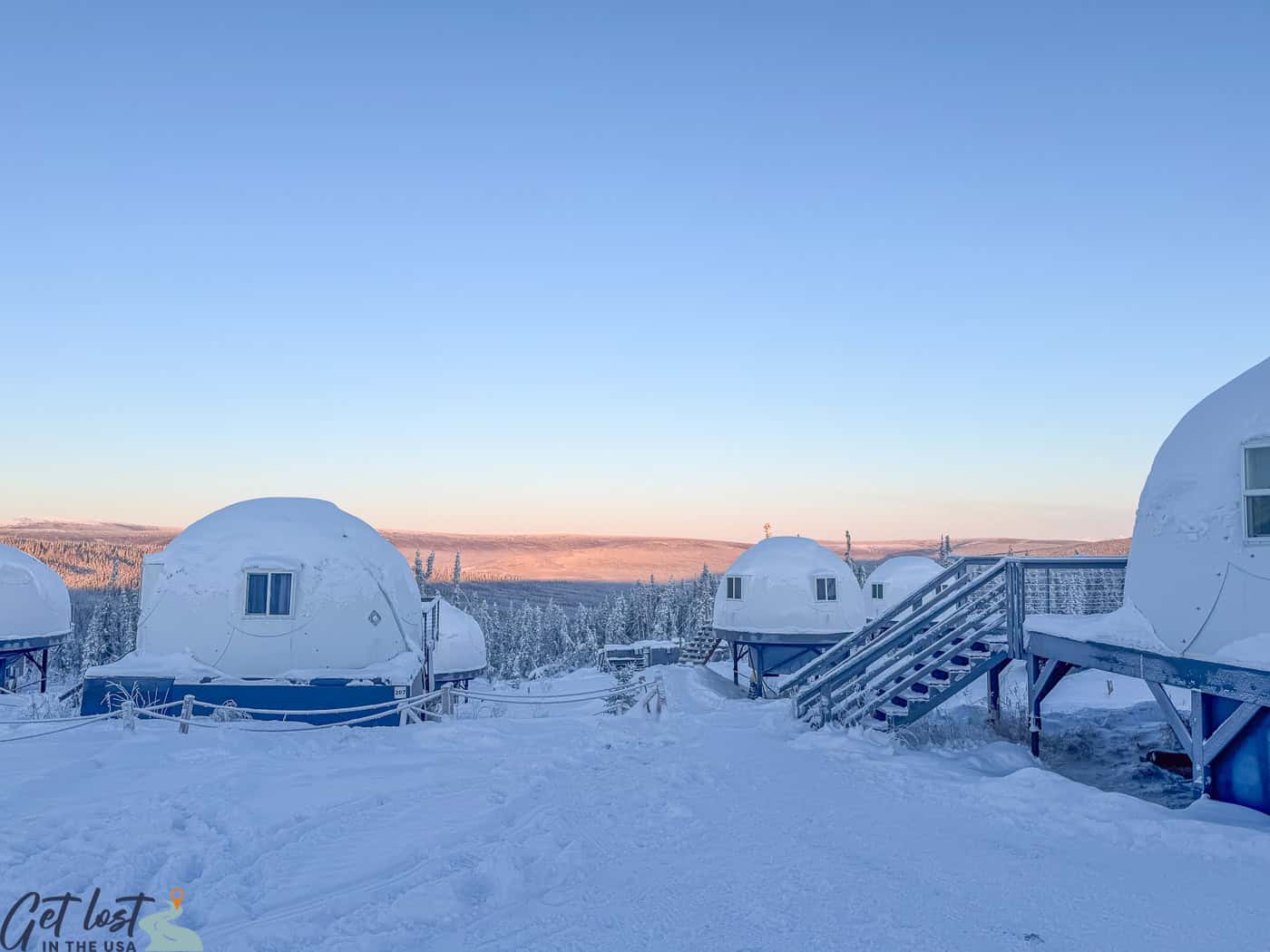
I didn’t stay in one of the igloo domes, but I saw them while I was there and got a sense of how they’re set up. They’re the original structures on the property, based on polar research technology, and have a more compact, capsule-like layout.
The main difference is the viewing experience. The domes have a curved plexiglass ceiling, so you can look straight up at the sky while lying in bed. Each one also has a deck, so you can step outside to see the northern lights.
I’d suggest the domes for travelers who want the most unique, “polar” experience. The fiberglass construction and ceiling view are features you won’t find in a standard hotel. They’re also a better fit if you want that classic igloo look for photos or prefer watching the sky from directly above.
Choosing the Cube
The cube is better for those who want a more modern, cabin-style feel and a bit more space to spread out. It felt spacious, with plenty of storage and hooks for all my winter gear.
The floor-to-ceiling windows give you a wider view of the surrounding forest, and I liked being able to watch the sky from inside without feeling confined to one angle.
Between the extra space and touches like the sauna and sunken tub, the cube leans more toward comfort and a bit of luxury.
The Aurora Viewing Experience at Borealis Basecamp
Nightly Aurora Presentation
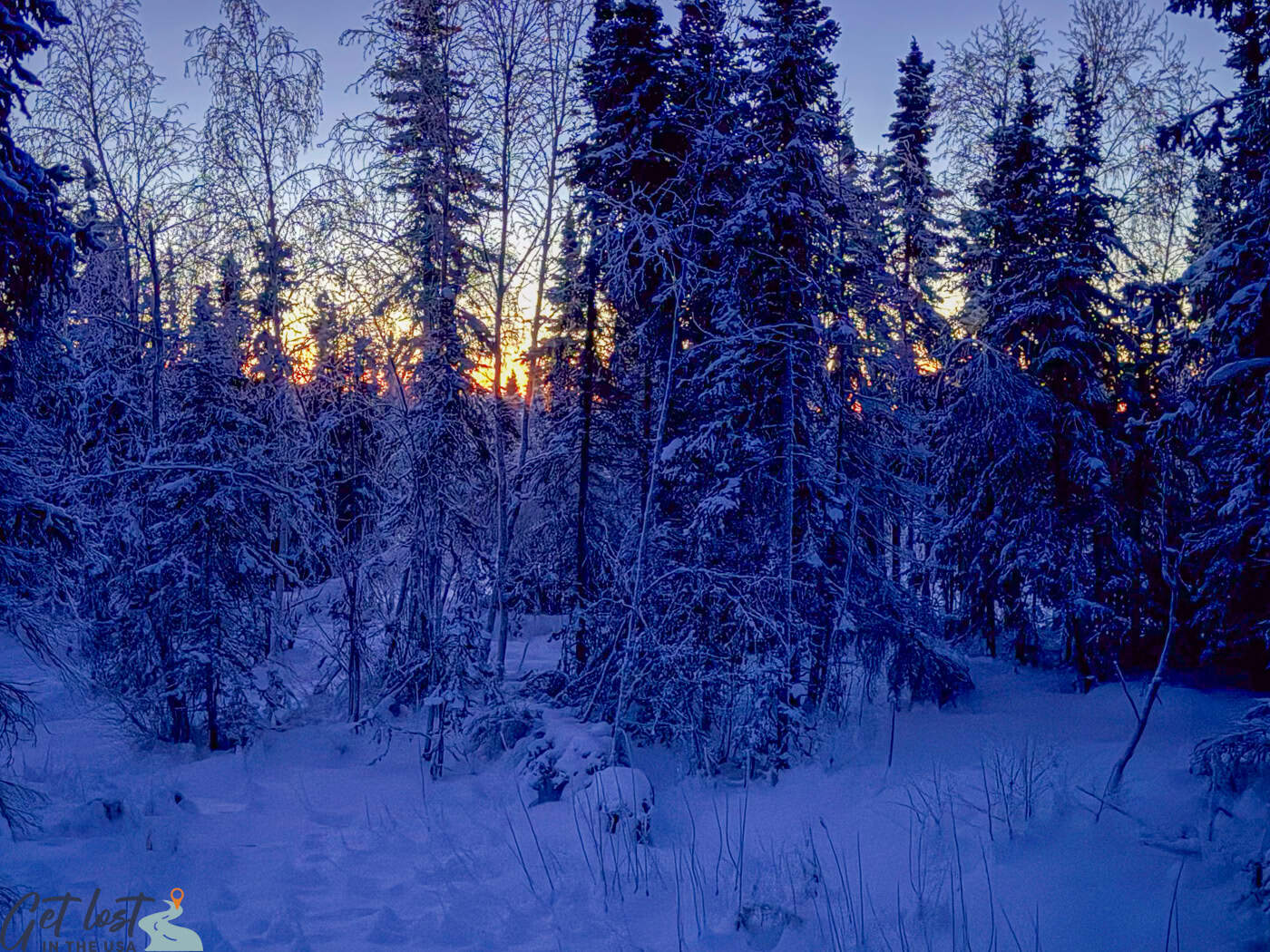
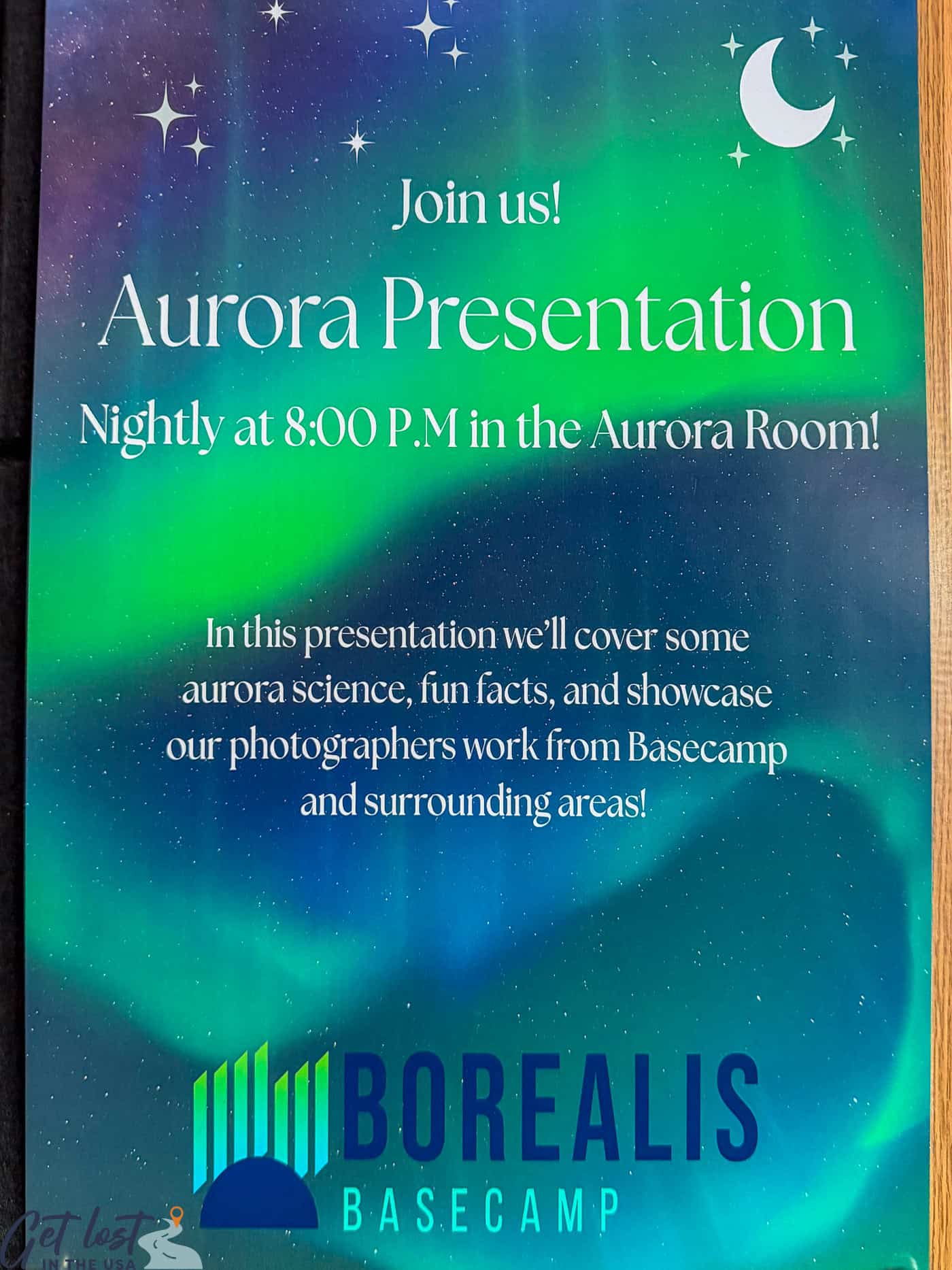
The aurora presentation at Borealis Basecamp is held nightly at 8 pm, and I’m glad I went. It’s part science, part practical tips. They walked through how the northern lights form and why Fairbanks is such a reliable place to see them, then shifted into what to watch for in real time.
A faint band on the horizon can suddenly start moving and building up, though it often looks subtler to the eye than it does on screen. Because a camera picks up much more color than we can see in real time, one quick tip they shared was to use longer exposures to capture that vibrancy. Beyond the camera settings, my biggest takeaway was that a clear sky matters far more than any aurora app.
Almost like a surprise, the aurora showed up early and interrupted the presentation, and within seconds, everyone was up and heading outside.
That First Aurora Sighting
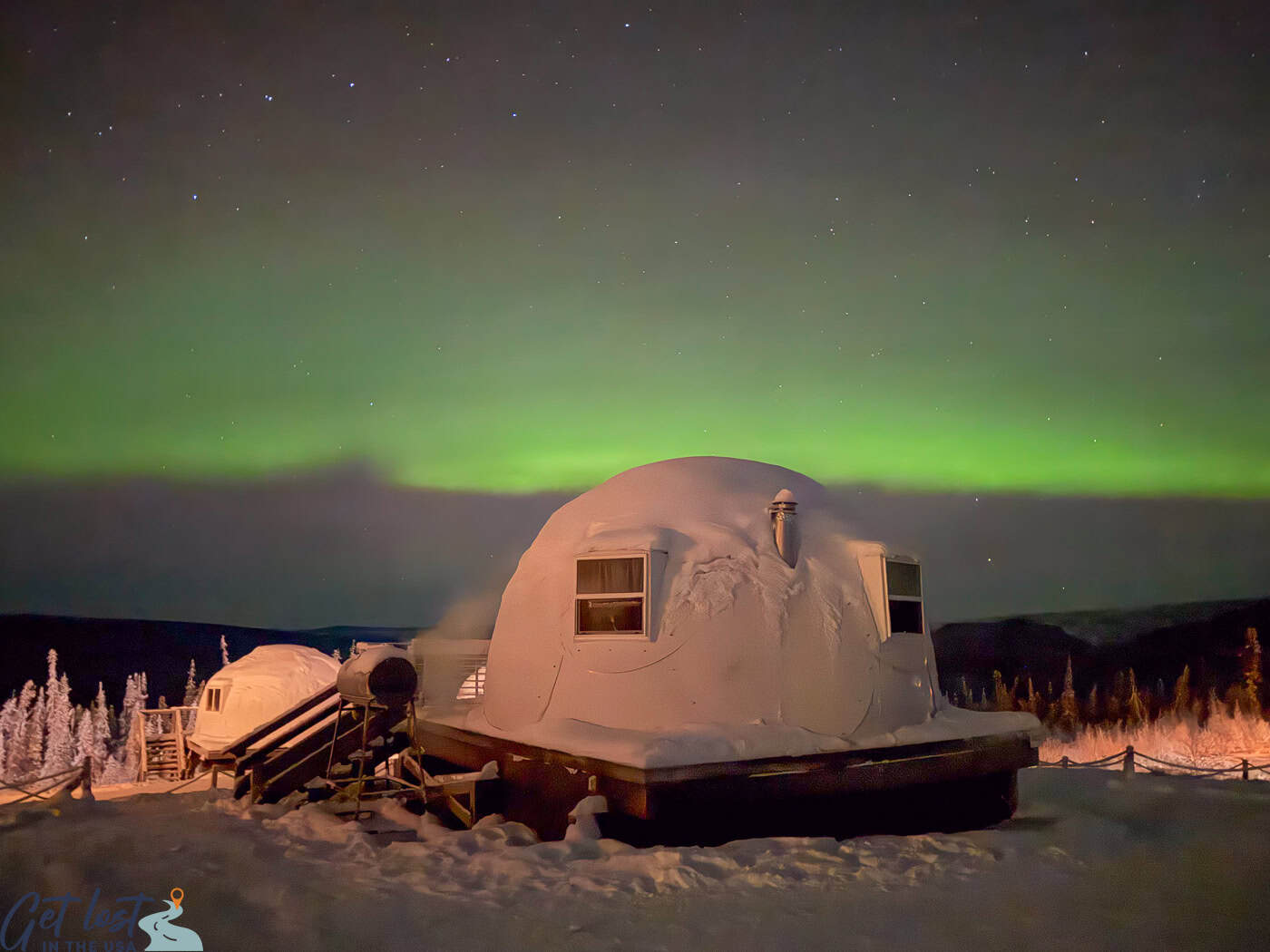
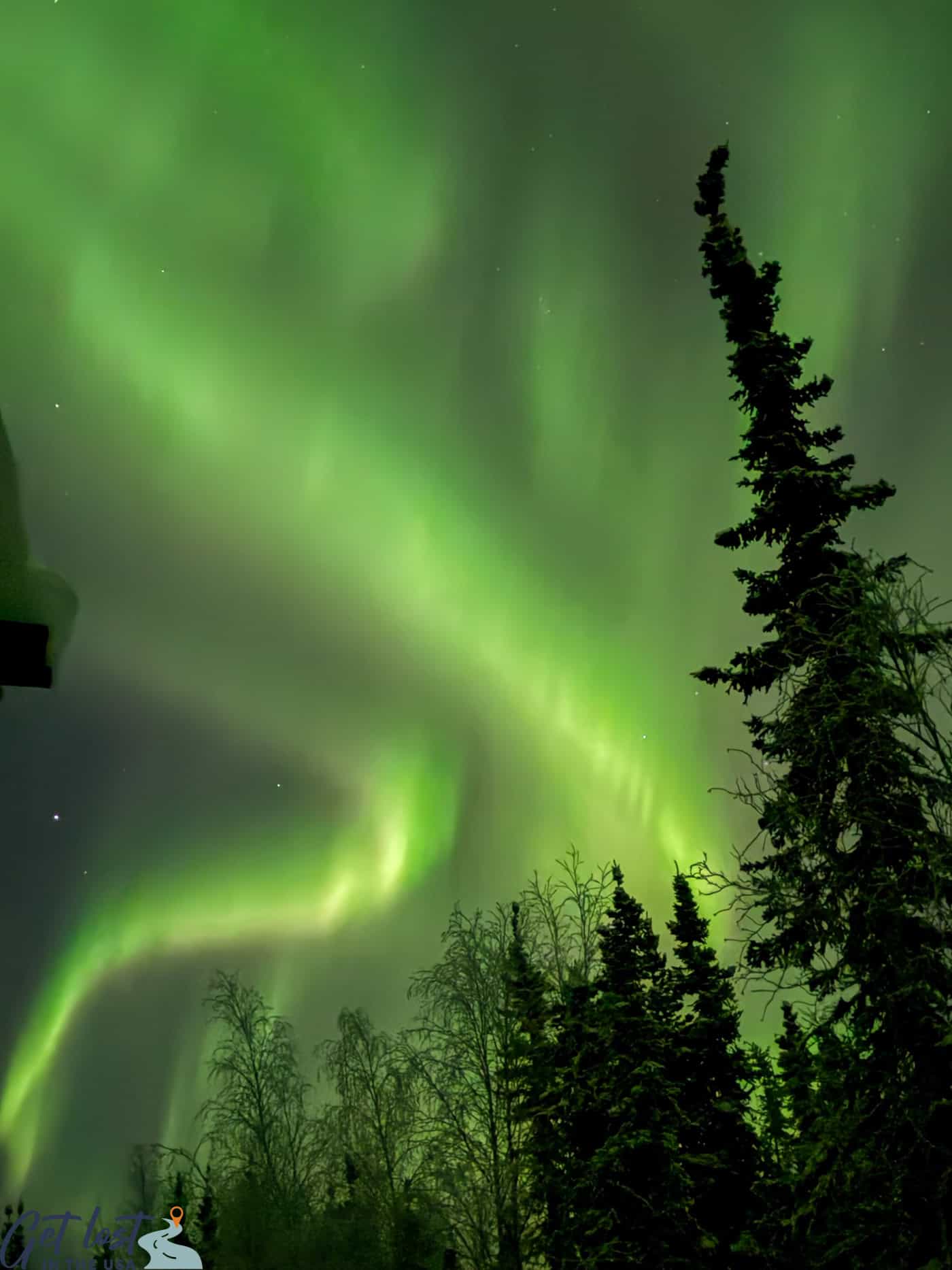
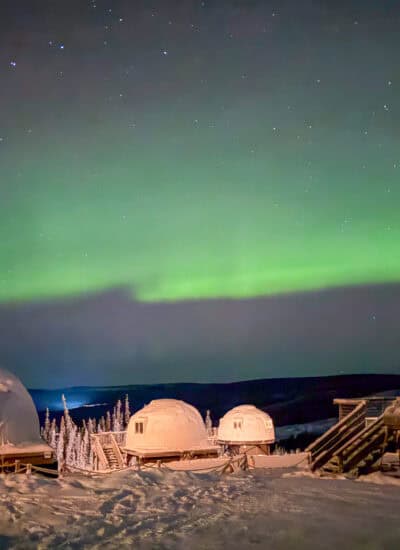
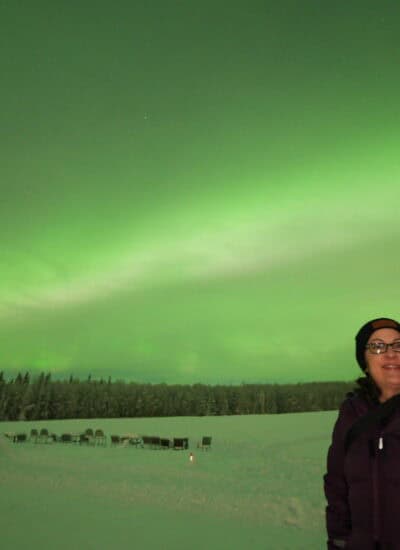
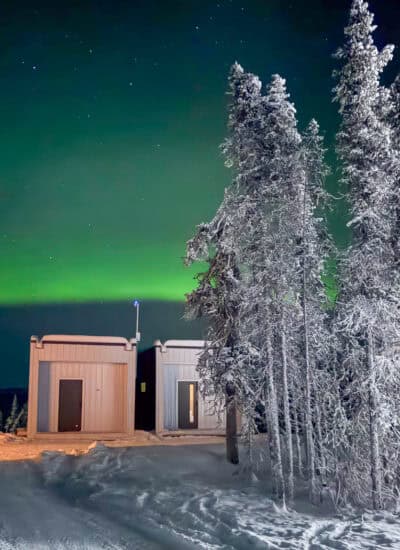
When I ran out of the presentation, the aurora was already there in a wide band across the sky with that beautiful green light. I started taking photos with the igloos in the foreground, then headed back to my cube.
Viewing From Bed
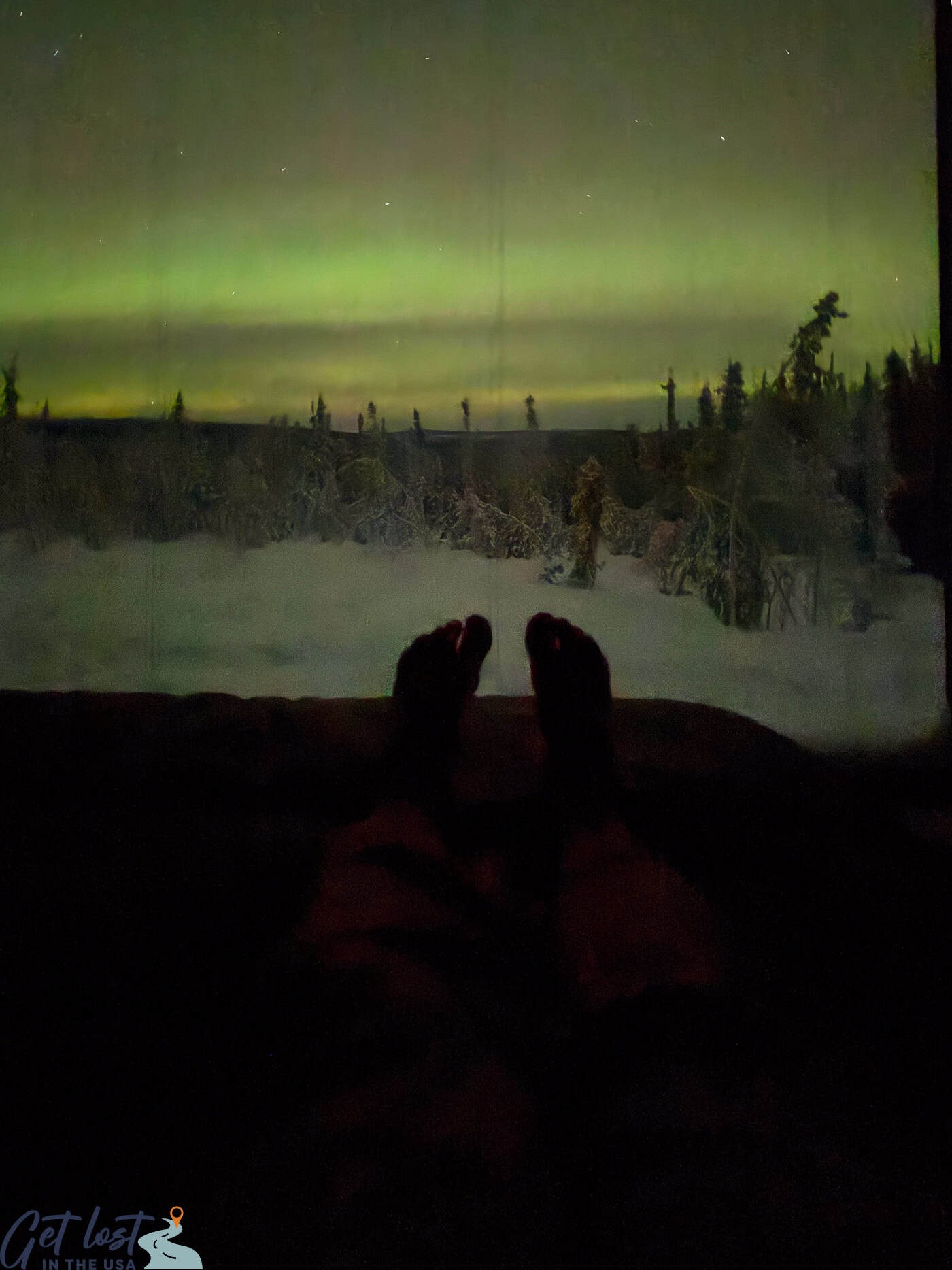
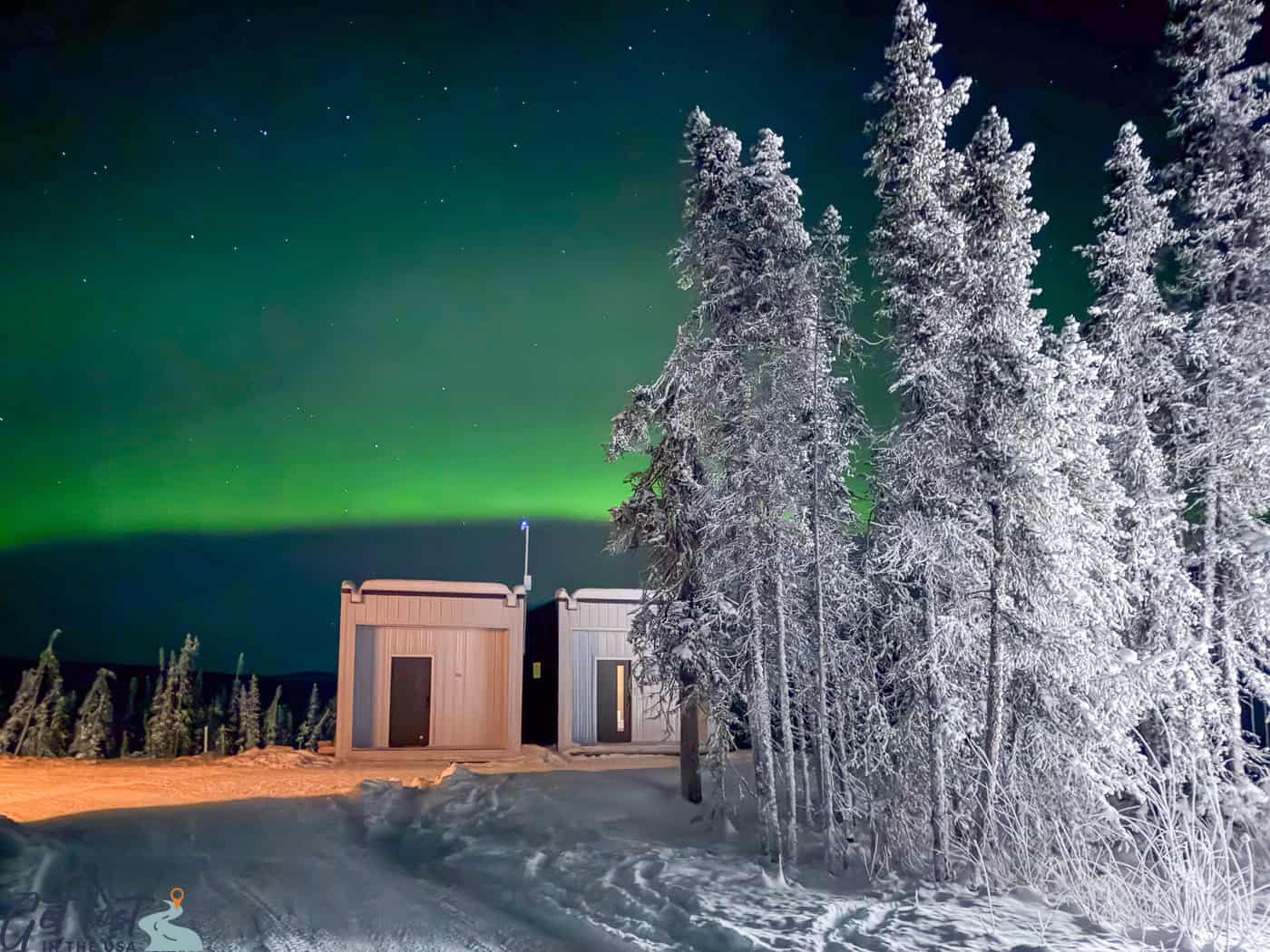
This is what makes staying here so unique. Instead of bundling up and heading outside, the view is built into the room, and you can watch the aurora from your bed. Of course, you can also go outside to watch the sky, but the genius of Borealis Basecamp means you don’t have to.
The built-in aurora alerts notify you automatically when something is happening. It was my third late night watching for the northern lights, so I was exhausted and fell asleep pretty quickly. But, I didn’t miss a thing!
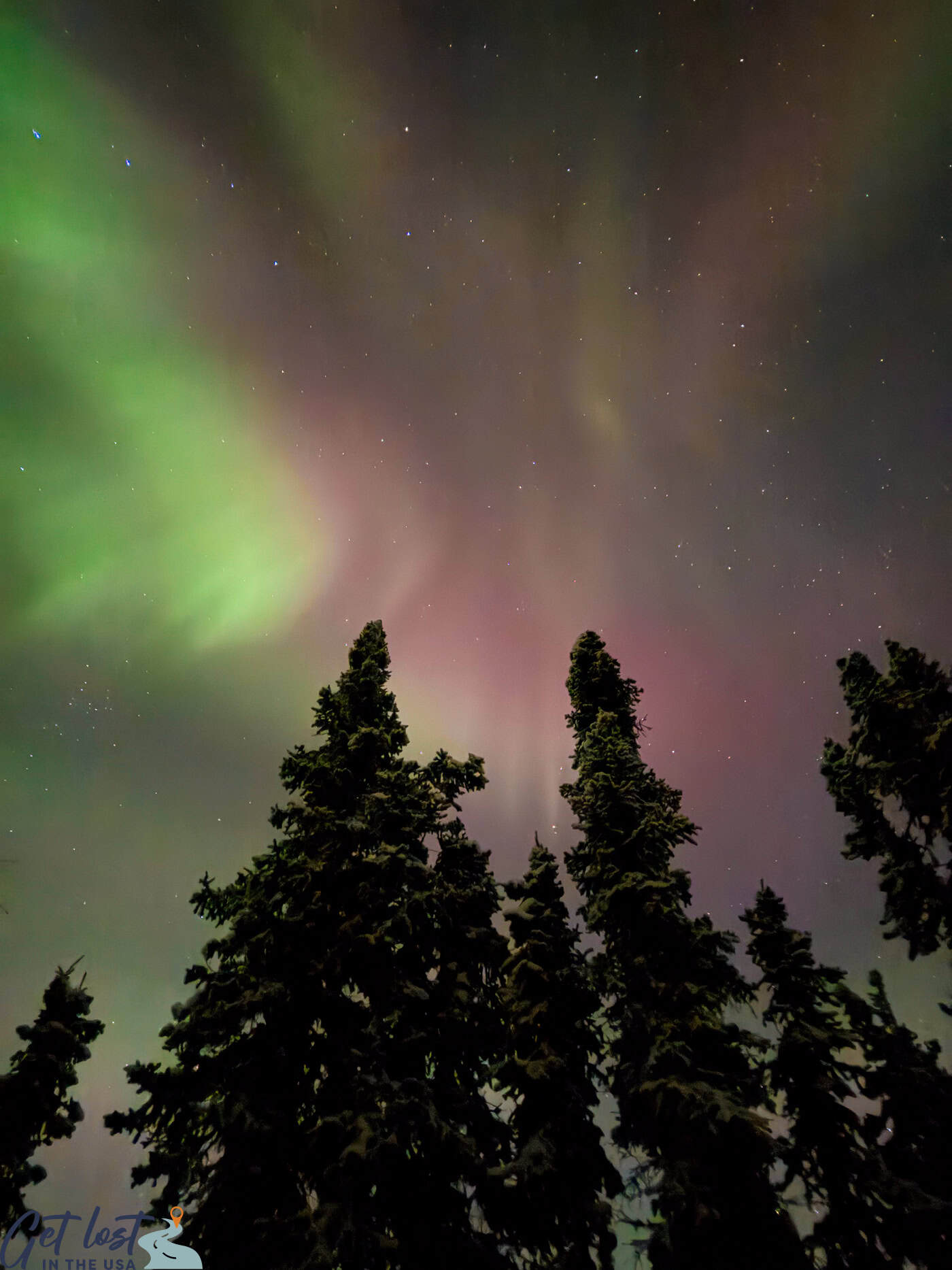
Throughout the night, I received phone calls with recorded updates as conditions changed. The messages weren’t just “go look now.” They gave context starting with the lights becoming visible on the horizon, then moving overhead, and finally noting hints of pink. I even received a call early the next morning stating the lights were still flickering.
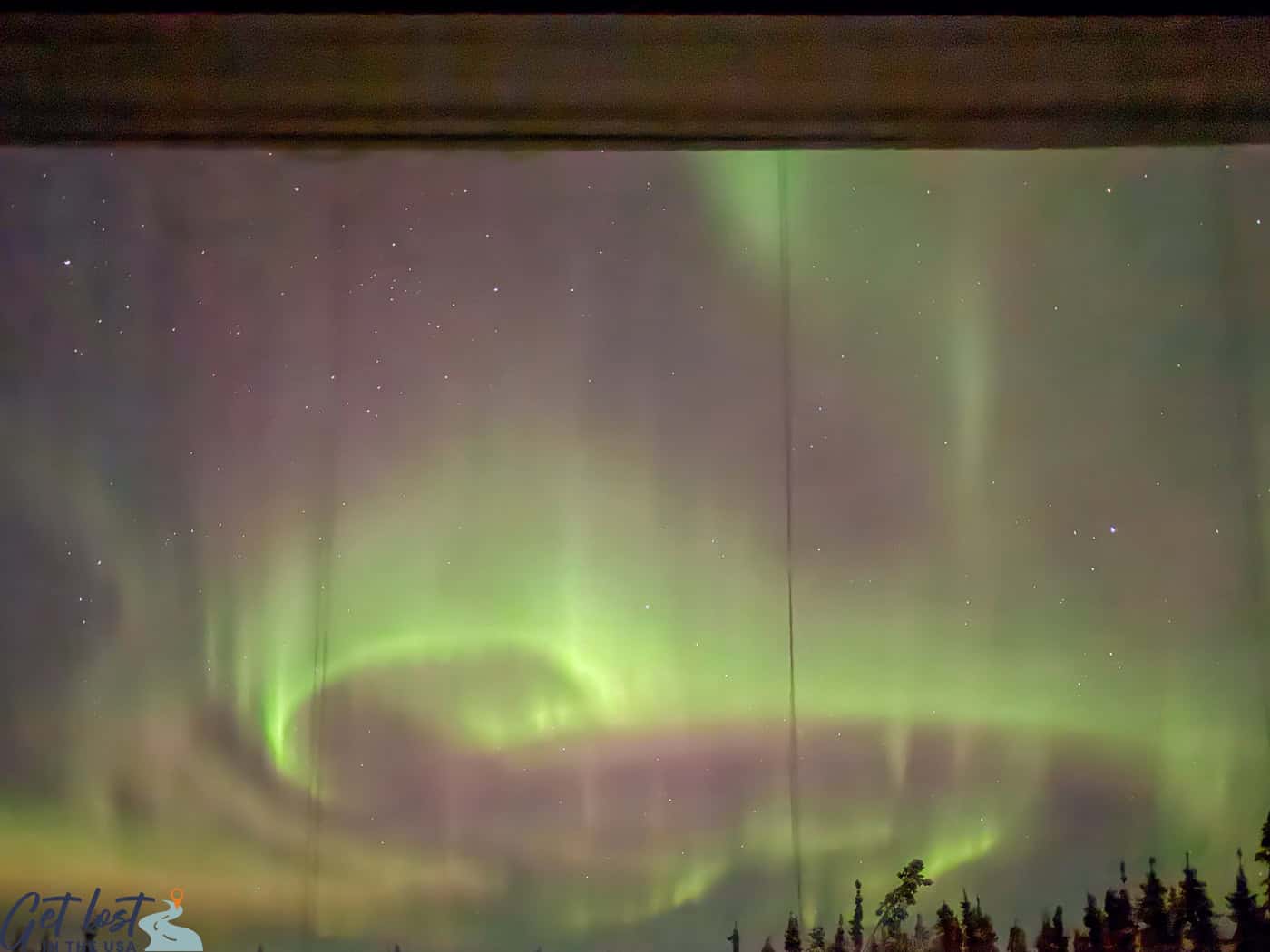
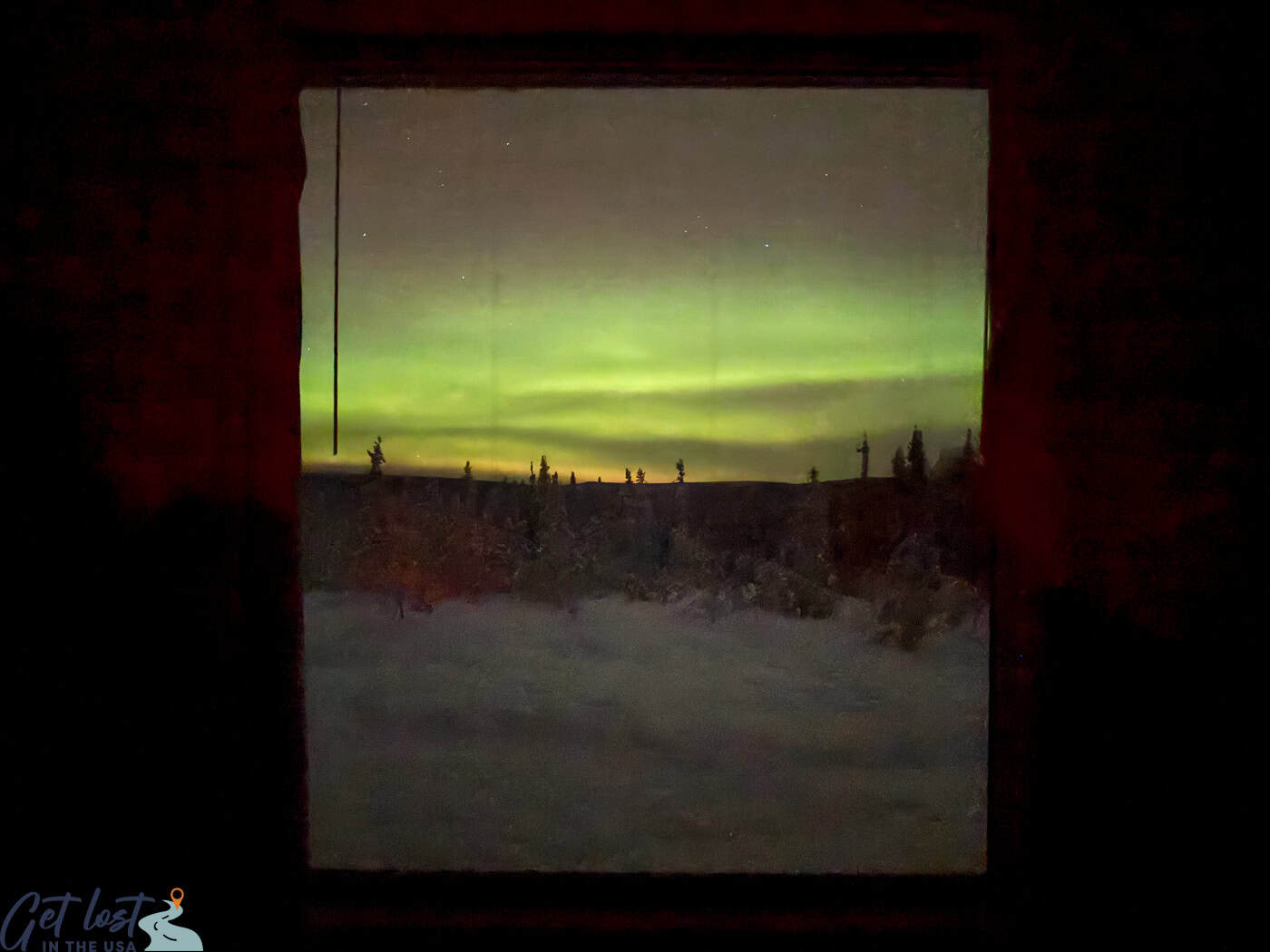
I spent most of the night watching from inside, and it was so nice staying warm while watching the show. However, I did get dressed in my winter gear and go outside a couple of times for a wider, panoramic view: once when the message said the aurora was very active, and later when the pink came into the sky.
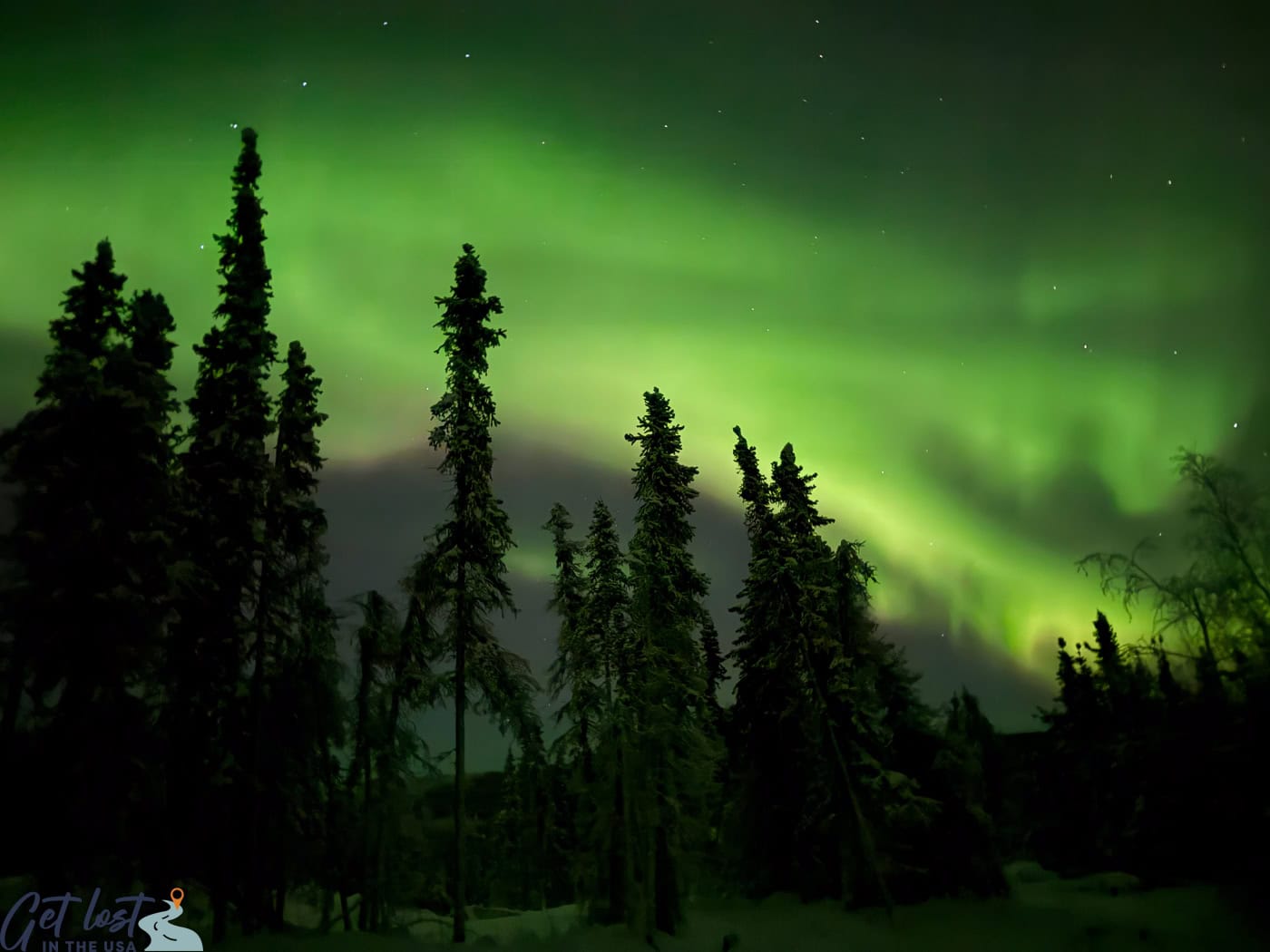
I also saw a shooting star for the first time. I can’t believe it took me this long, and I saw five. Between that and standing under the aurora as it rippled across the sky, it still feels like one of the most memorable nights of my life.
Of course, staying here doesn’t guarantee anything. You’re still dealing with the same conditions as anywhere else, and if the sky is cloudy, it won’t matter where you are.
Dog Sledding Experience
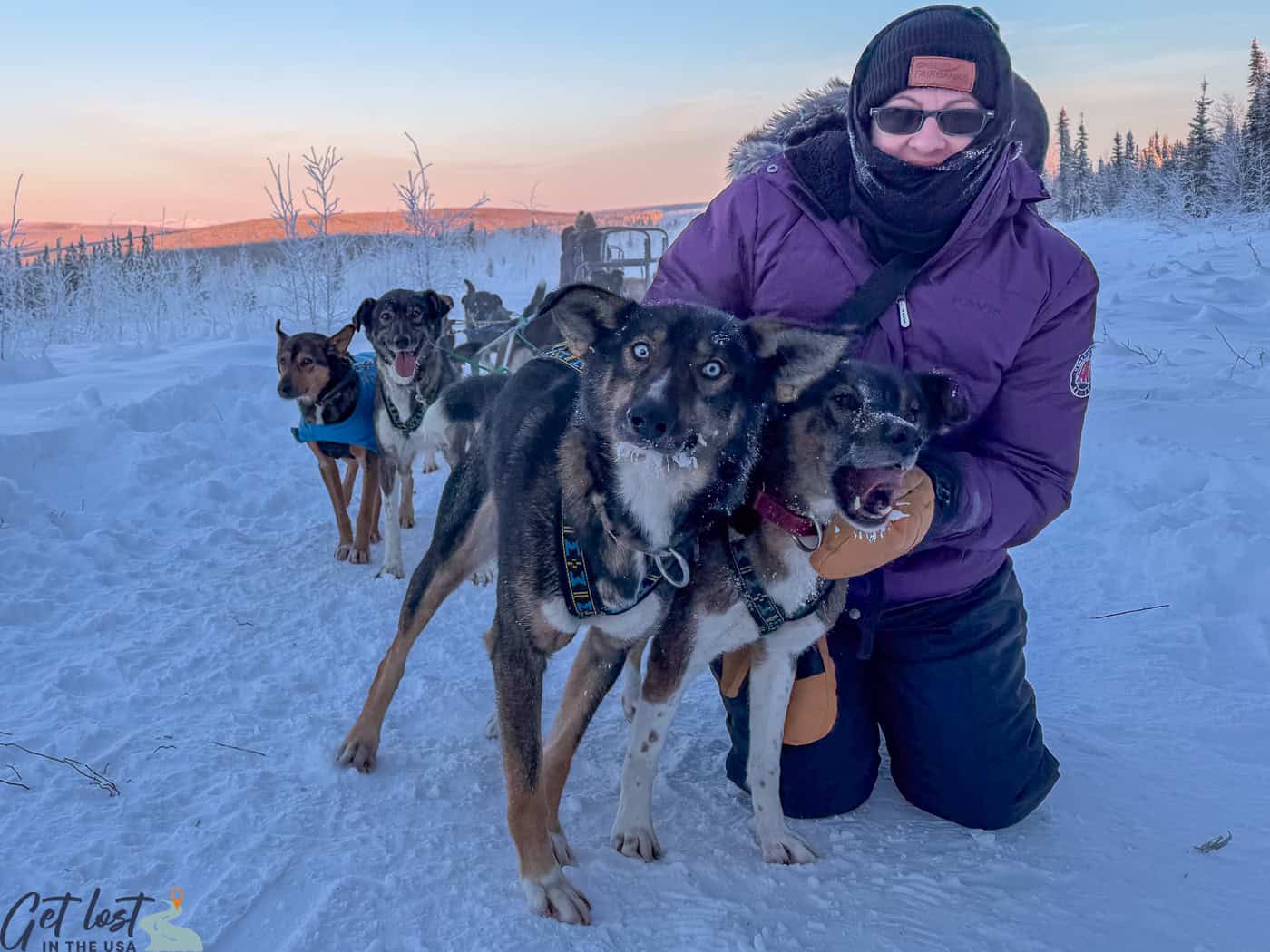
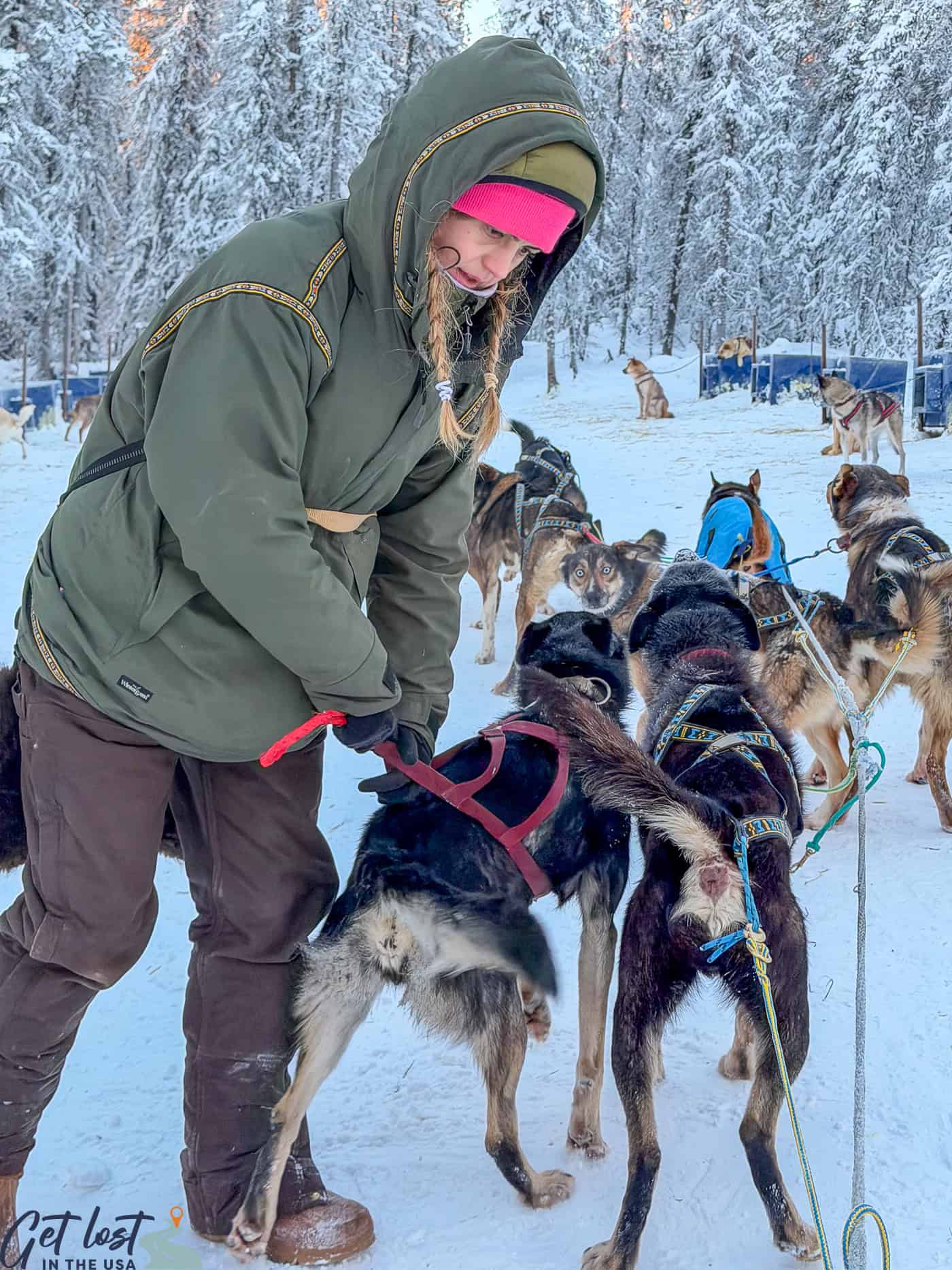
Dog mushing is Alaska’s state sport, and the sled dogs at Borealis Basecamp belong to mushers, who bring them in on the days they’re working to give rides and keep them socialized. When the dogs saw us coming, they knew exactly what was about to happen. A lot of barking, a lot of jumping, all hoping to be picked to go.
Most of the team is made up of Alaskan huskies bred for endurance, so the three-mile ride we took is a light workout compared to their typical training runs. To keep them mentally engaged, the mushers rotate the dogs throughout the day and switch up their positions in the line.
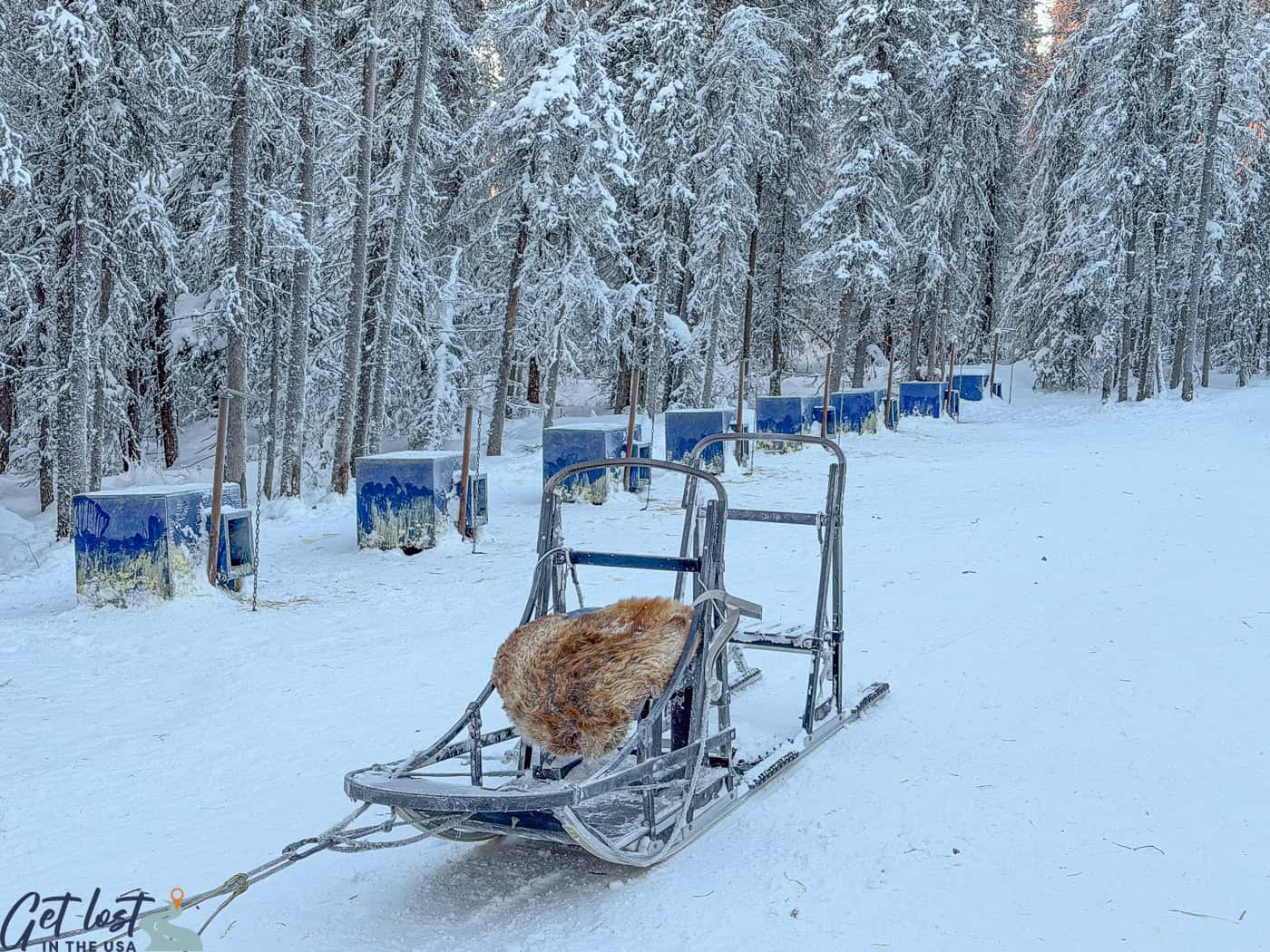
I took my seat in the front and bundled up for the ride. All that barking chaos turned into focus the second the dogs began running. It went completely quiet, just the sound of the sled gliding over the snow, as we moved between tall trees covered in white.
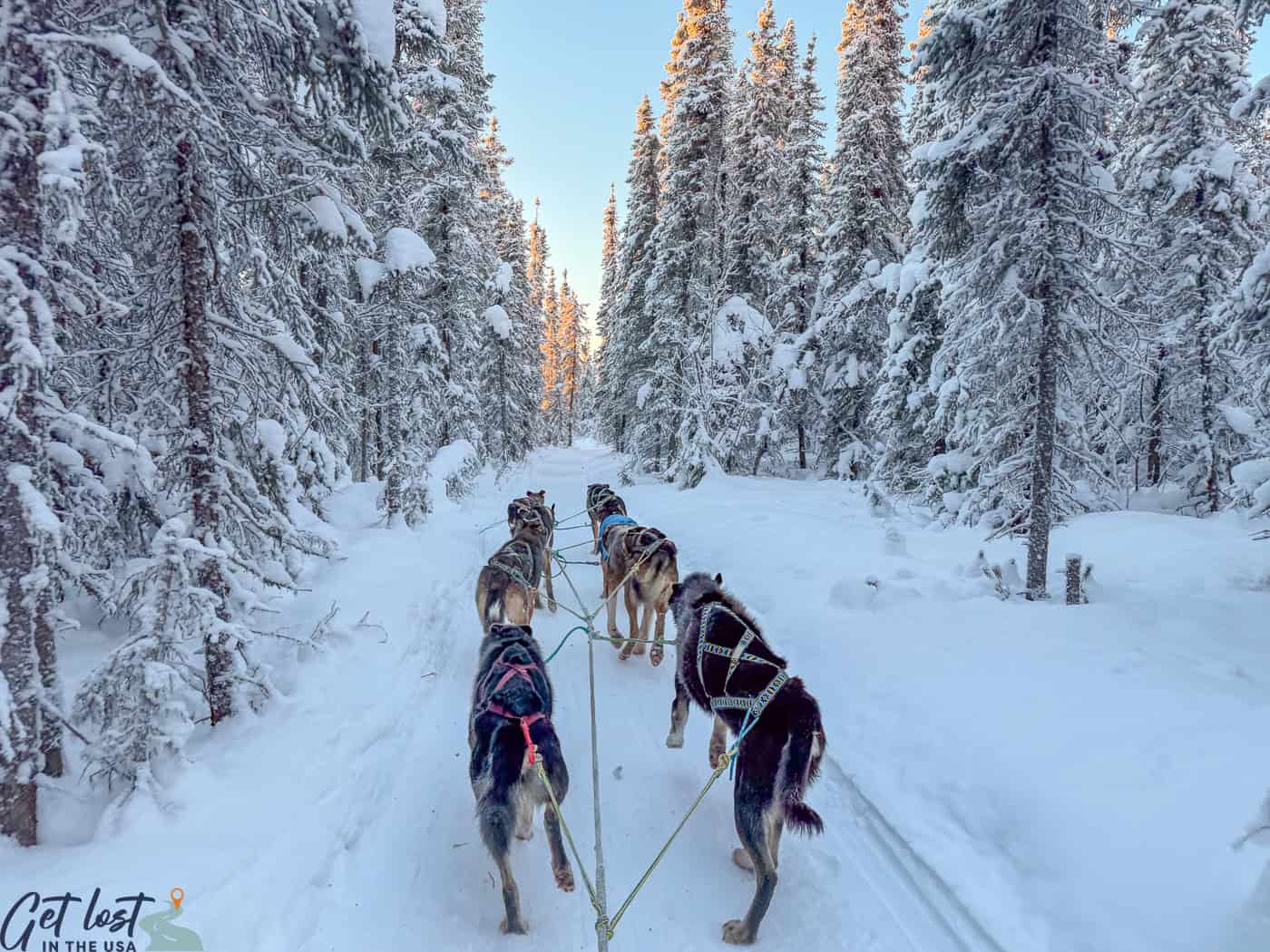
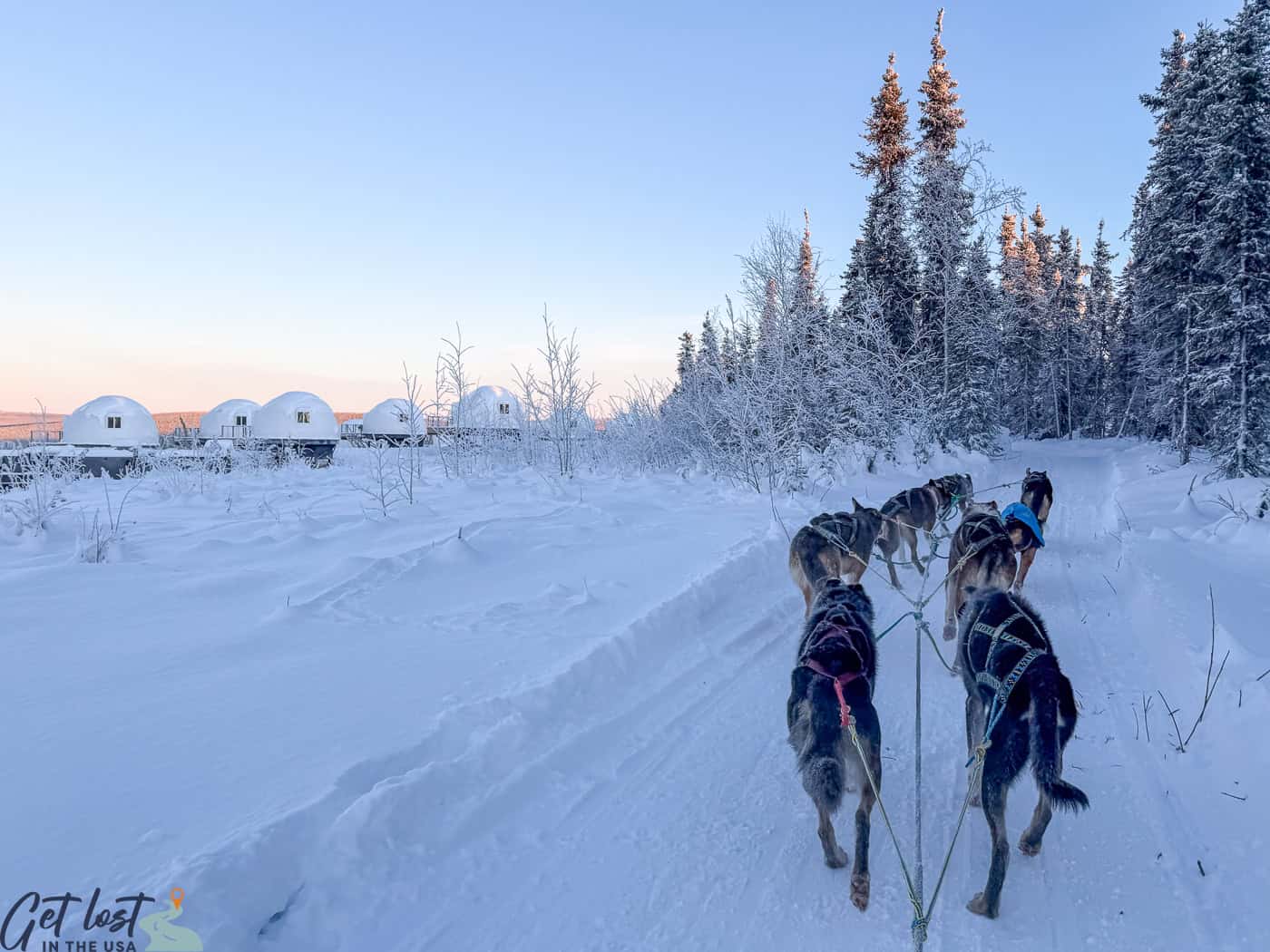
We stopped halfway to take photos and switch spots. I moved to the standing position on the sled for the ride back, where it was all about holding on, keeping my balance, and trying not to interfere with the musher’s steering. It gave me a real sense of the physical demands of being a musher and a whole new level of respect for what they do.
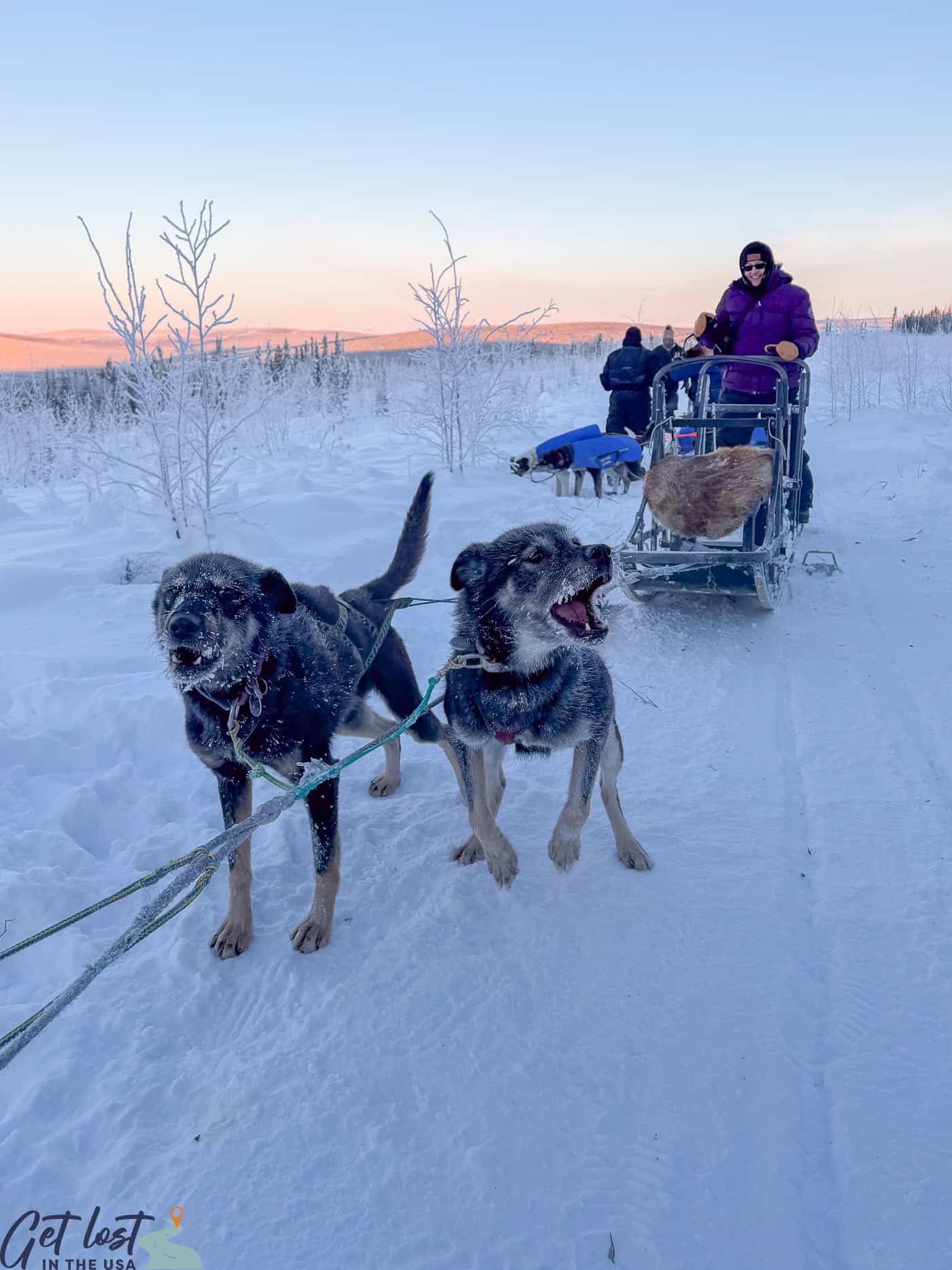
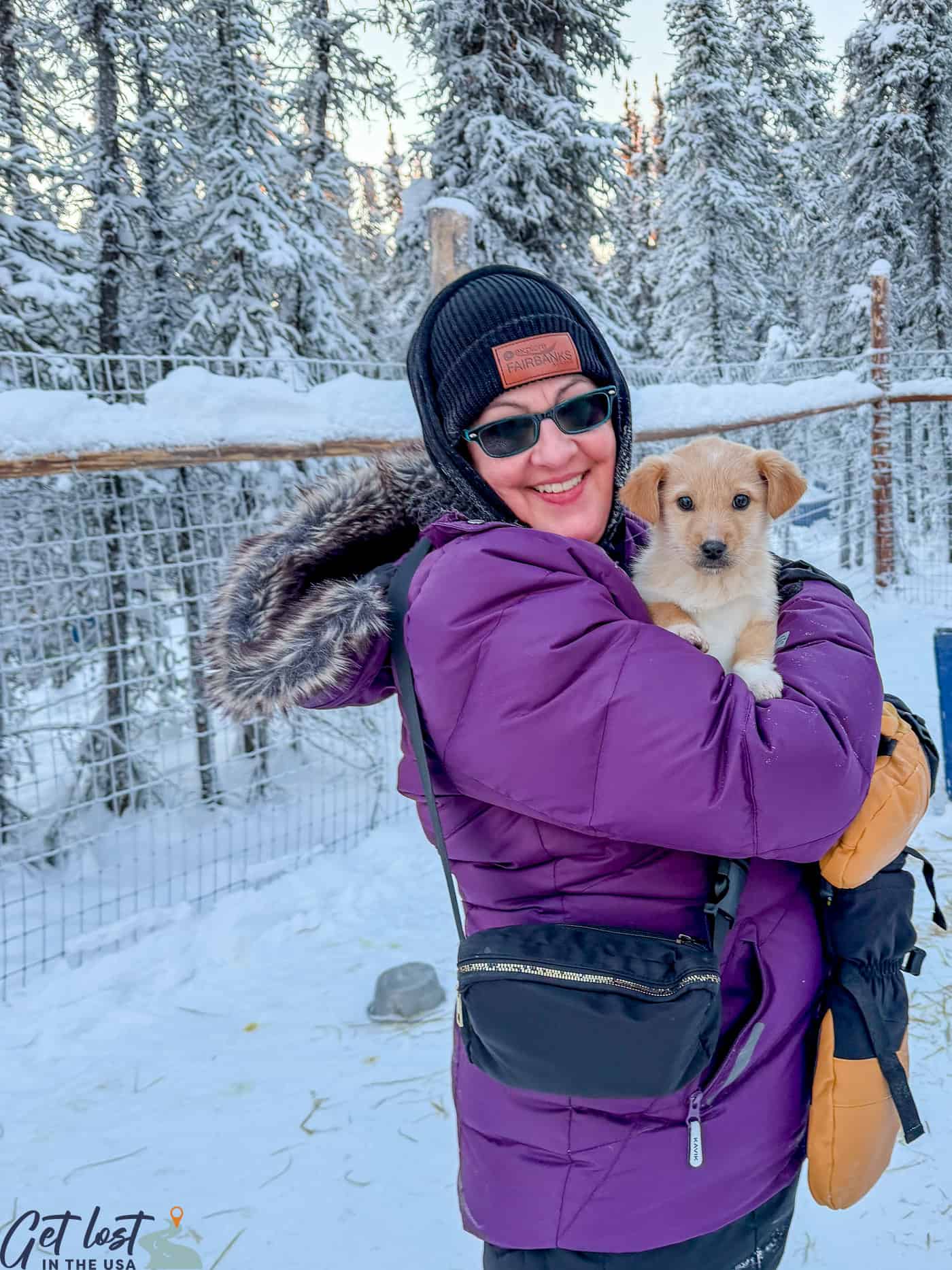
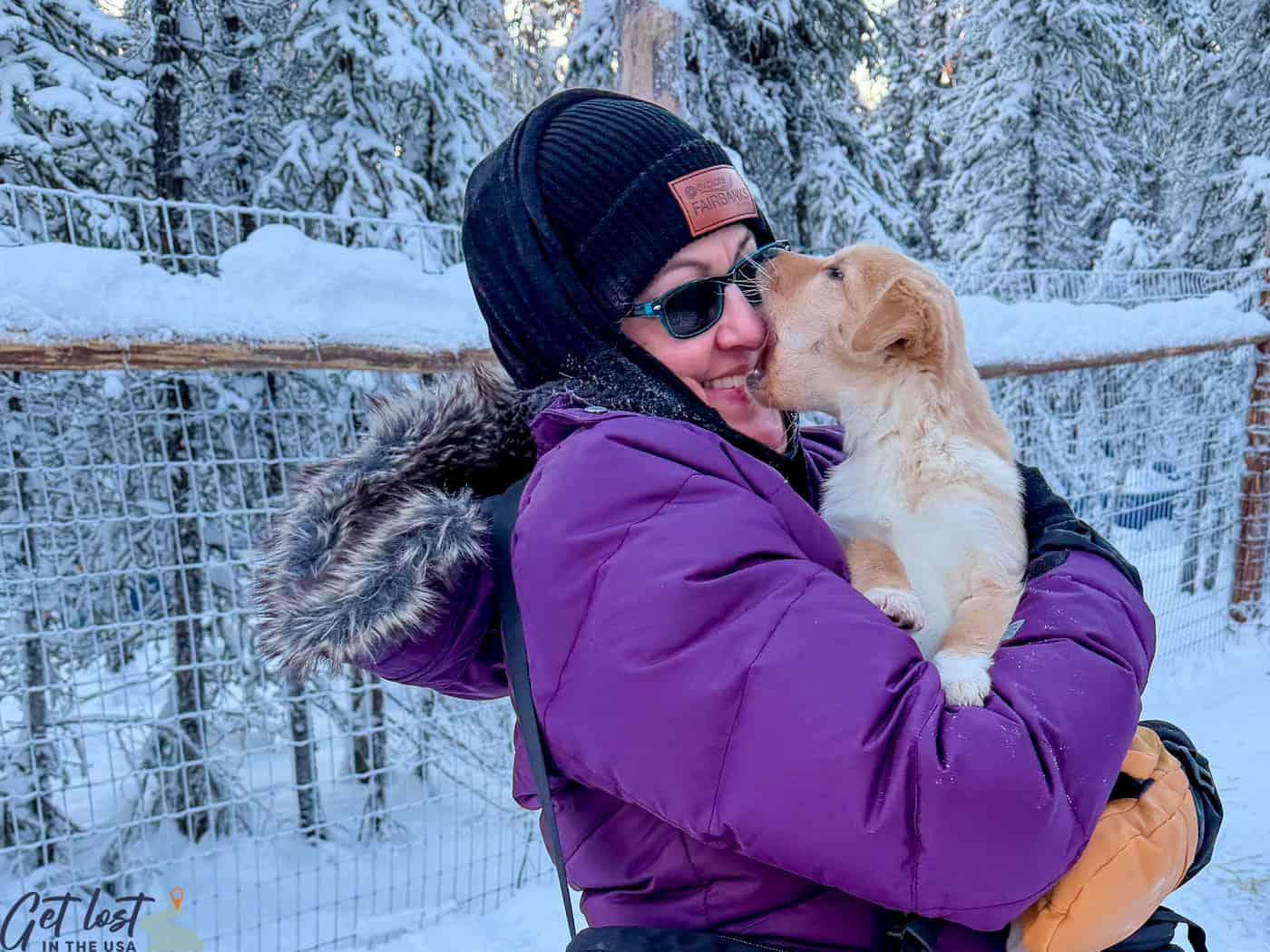
After the ride, I met a litter of rescue puppies the team was fostering. They were about 10 or 11 weeks old and named after breakfast foods: Pancake, Bacon, and Sausage. I couldn’t resist snuggling with Pancake.
Reindeer Meet and Greet
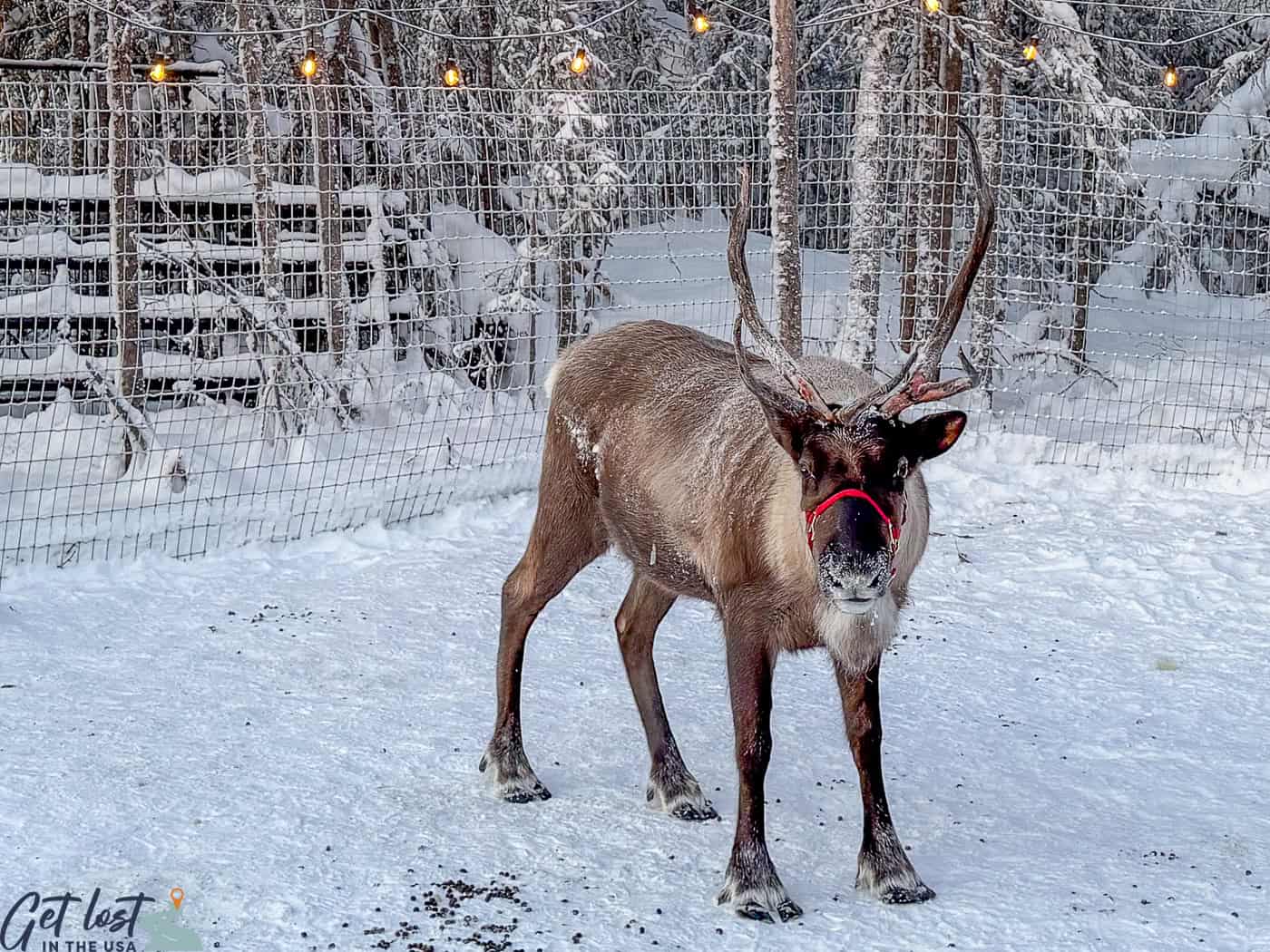
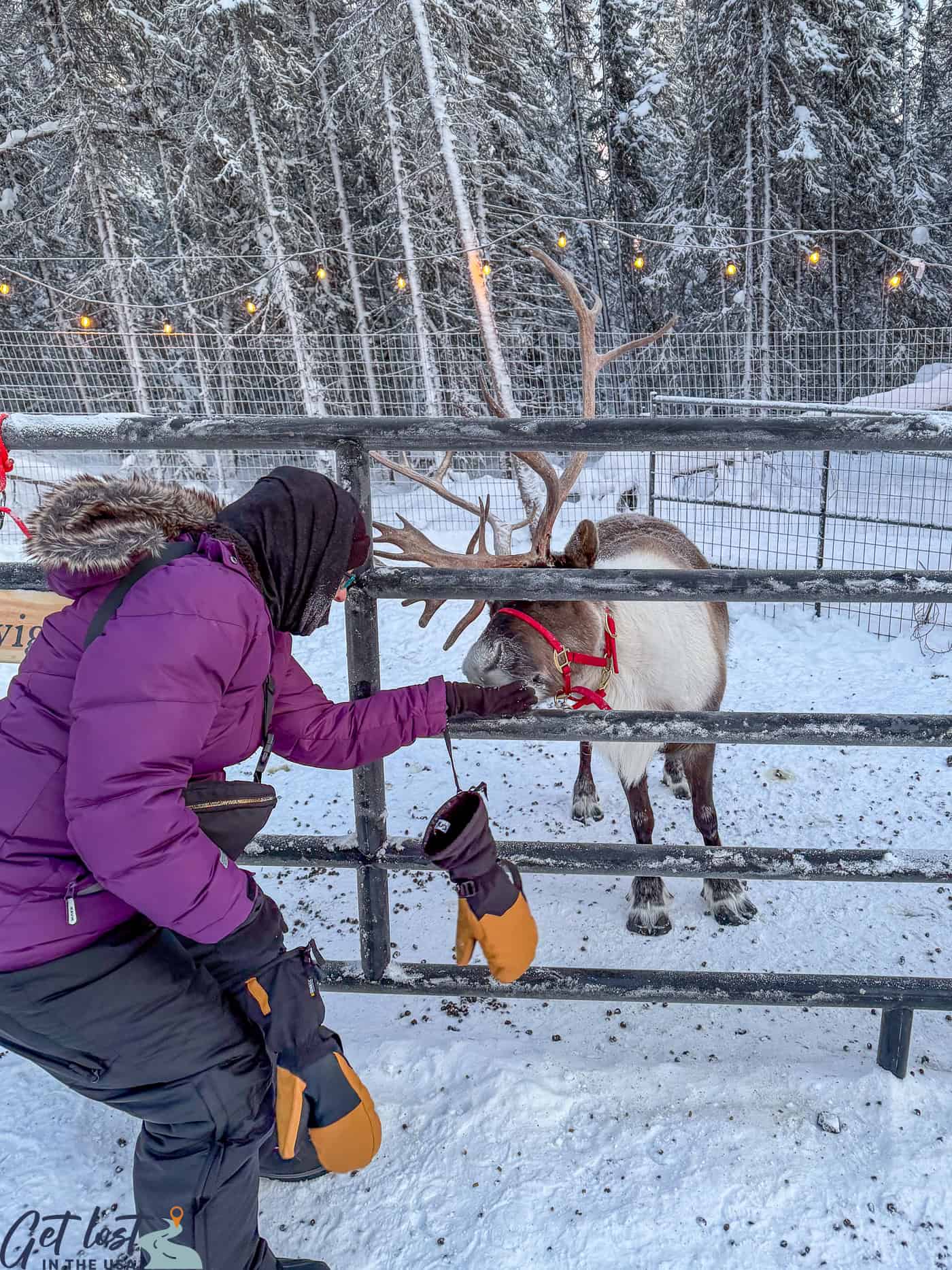
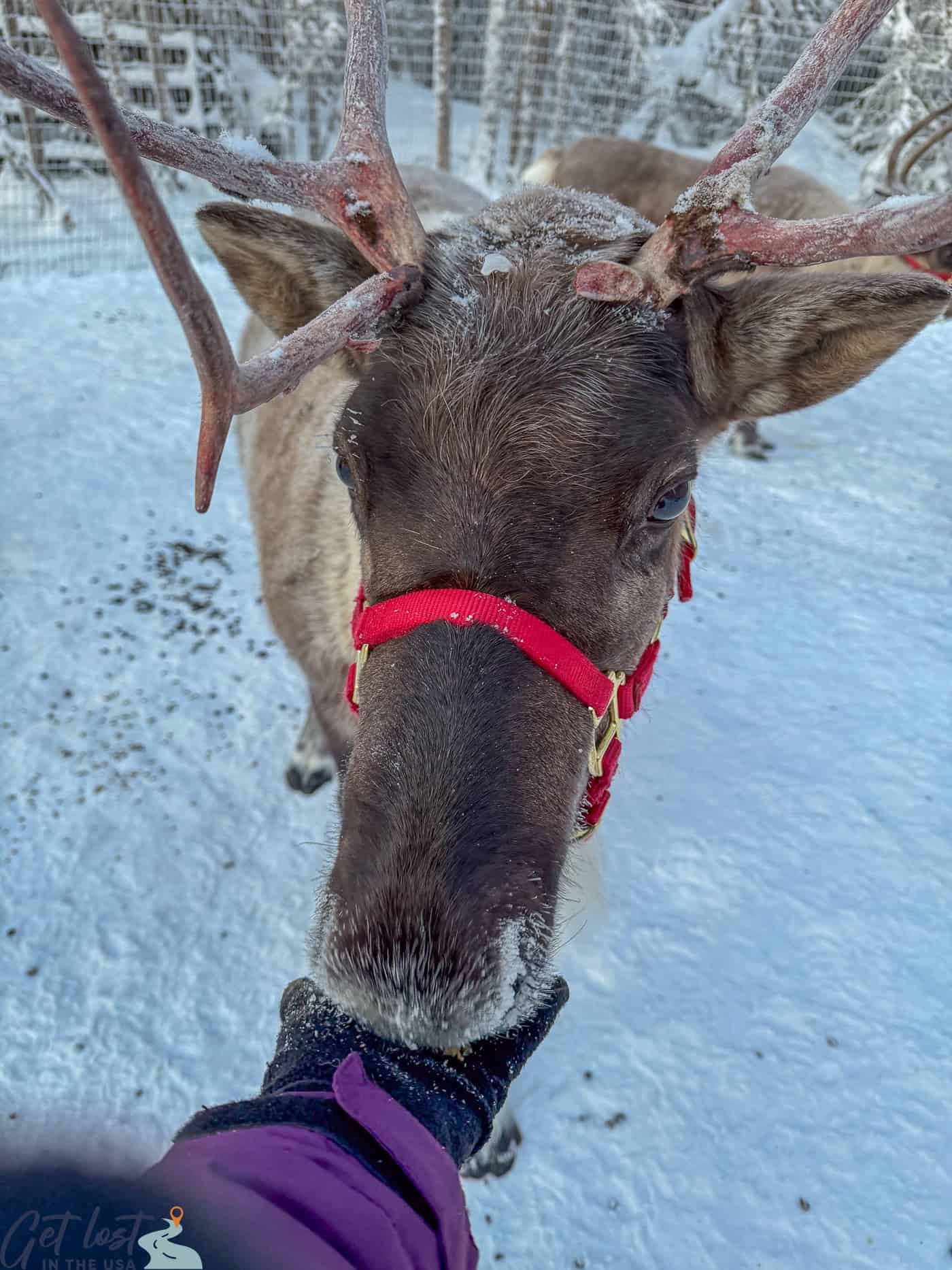
After my puppy snuggling sesh, I headed over to my Reindeer Meet and Greet tour. First, we met Hank and Uno, two young males with what the guide described as “puppy energy,” and we went inside their enclosure to feed them. Hank is already bigger and expected to be the largest in the herd, while Uno is smaller and more playful.
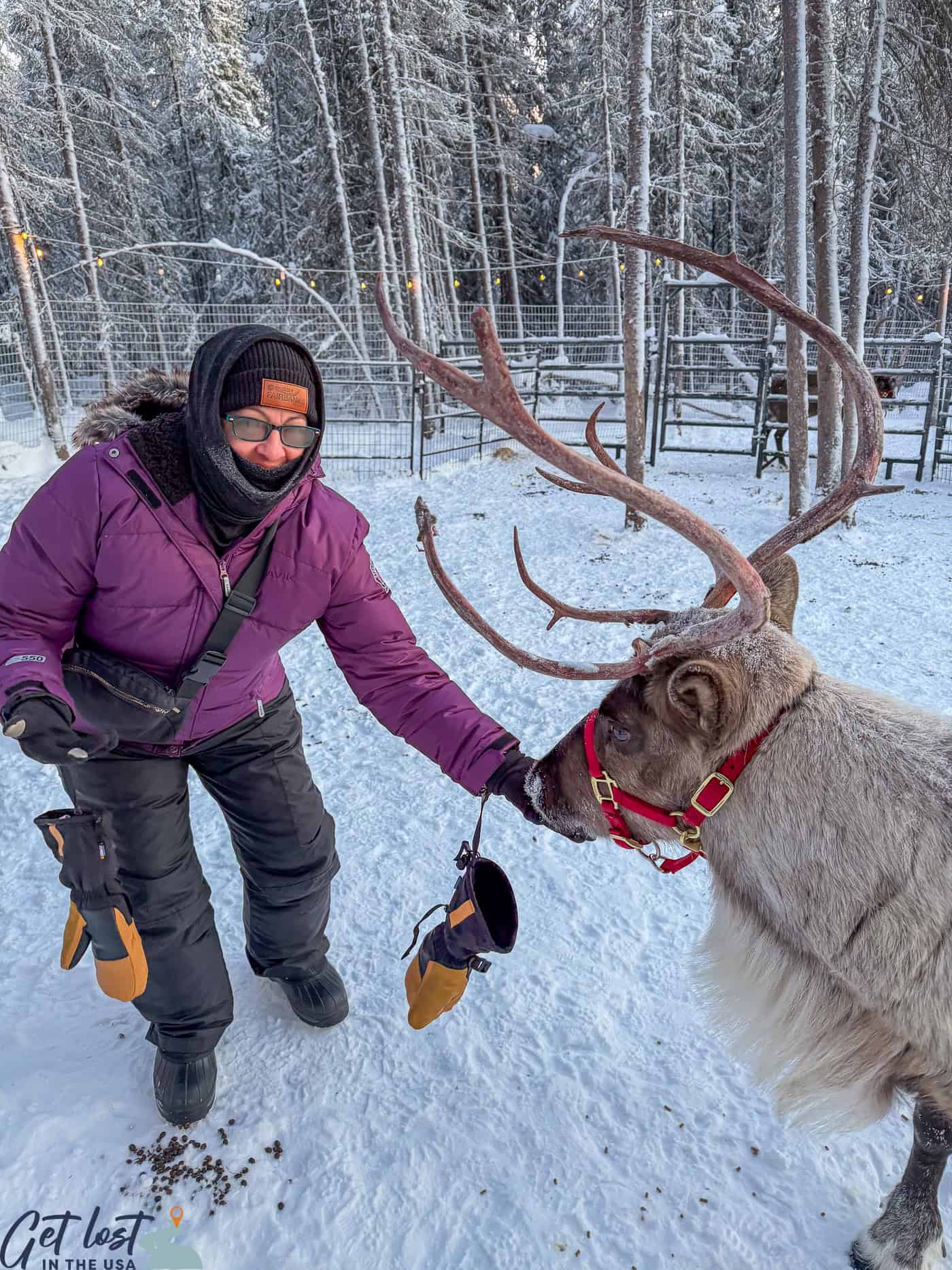
Within minutes, I had food in my hand and a reindeer walking straight up to me to take it. They’re incredibly gentle, but you do need to watch out for their antlers. They can swing their heads quickly, so you don’t want your face too close. (Ask me how I know.)
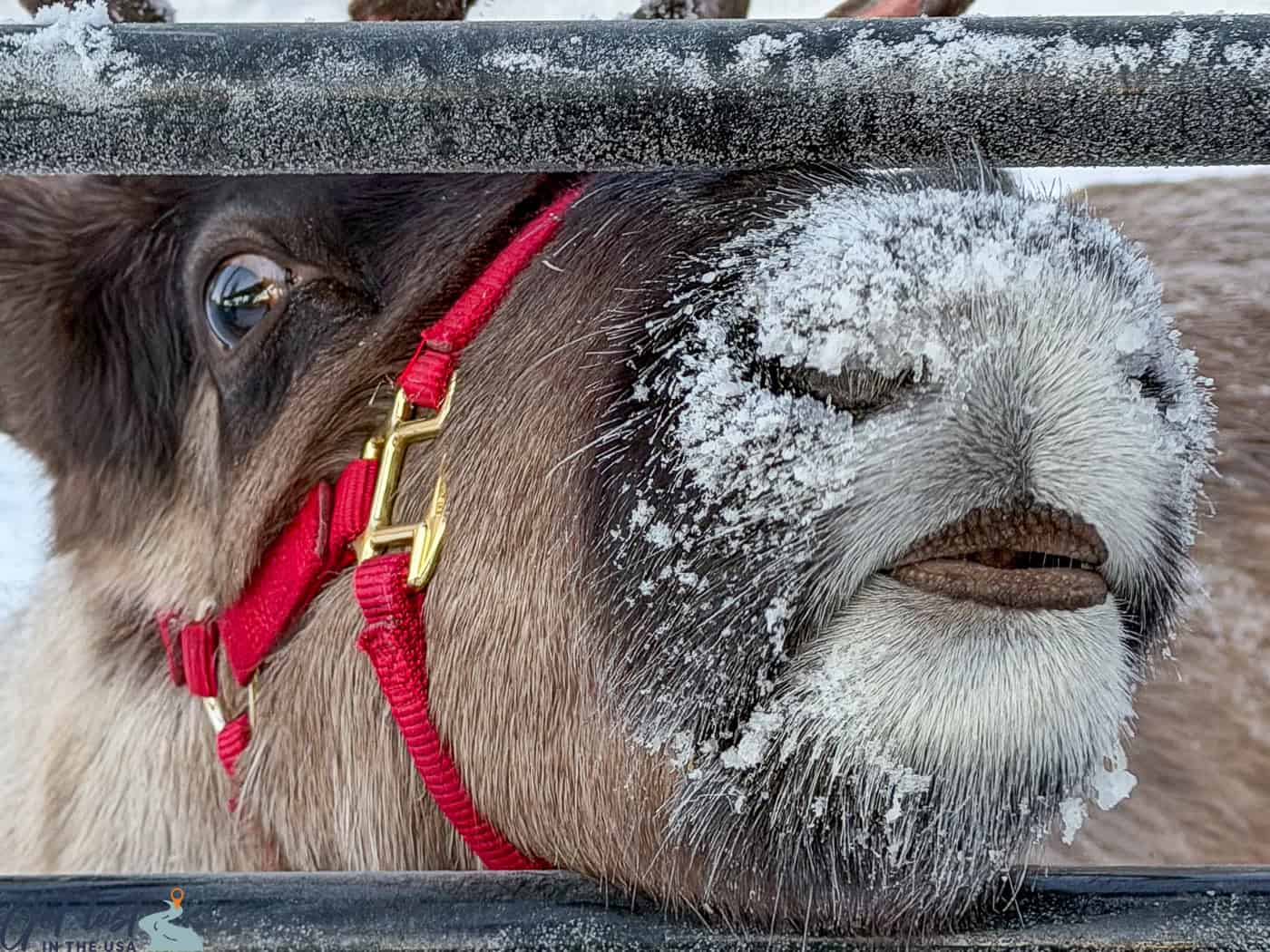
They don’t have upper front teeth, so even when they nibble at your hand, it doesn’t hurt at all. If you hold the food between your fingers instead of your palm, it slows them down slightly, but either way, it disappears fast. They’re ruminants, so they basically eat all day anyway, and this just counts as extra snacks.
Then we met Rory, the herd leader, and she had a completely different personality. While Hank and Uno were focused on food, Rory ignored our handouts altogether, preferring to dig through the snow to find her own. She’s also currently at the top of the herd hierarchy, though Hank has been trying to challenge that.
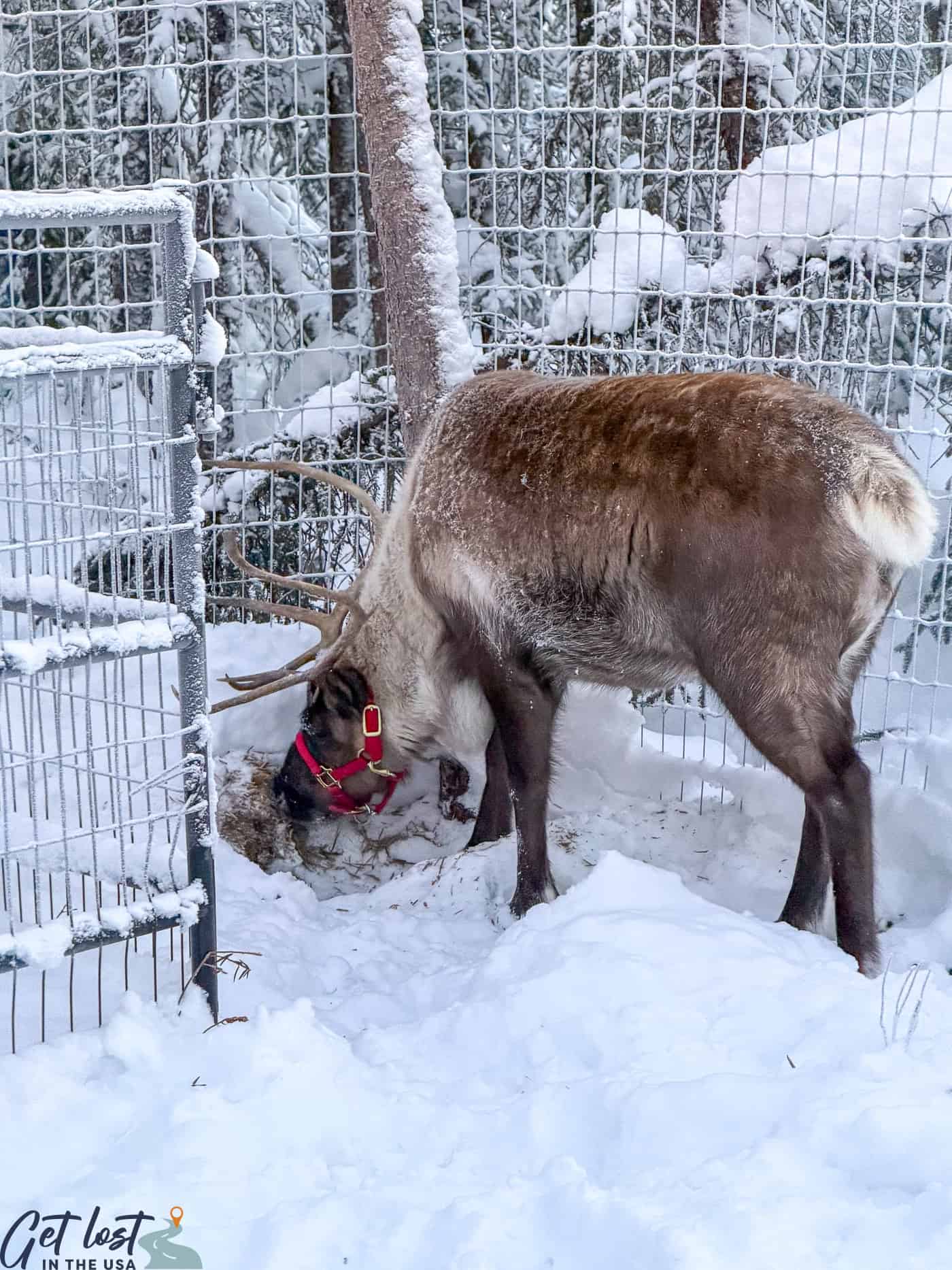
One of the more interesting things I learned during the tour is that reindeer are the only species of deer in which females also grow antlers, and they use them differently than males. Males use theirs to compete for mates, while females keep theirs through winter to push others away from food. They shed and regrow them every year, with antlers growing up to an inch a day in the summer.
Other Things To Do at Borealis Basecamp
Beyond what I personally did, there’s a full lineup of activities you can add to your stay.
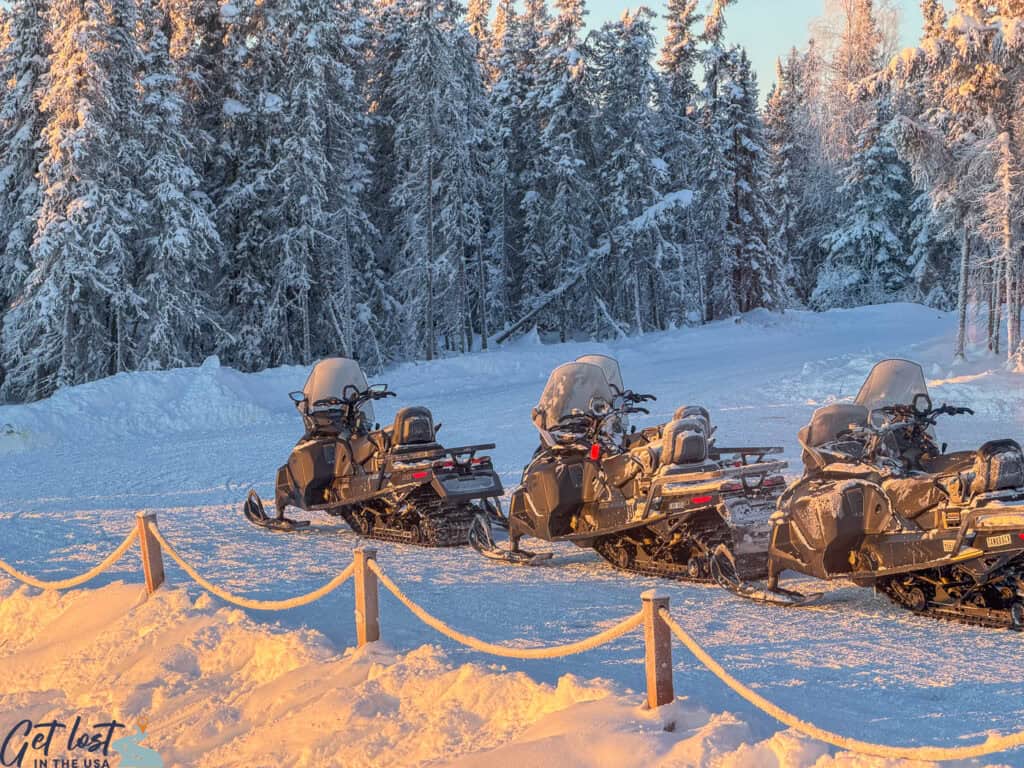
- Snowmobile tours
- Sunset snow coach tour
- Aurora portrait photography session
- Reindeer walking experience
- Helicopter flightseeing tours
- Arctic circle daytrips
- Snowshoeing
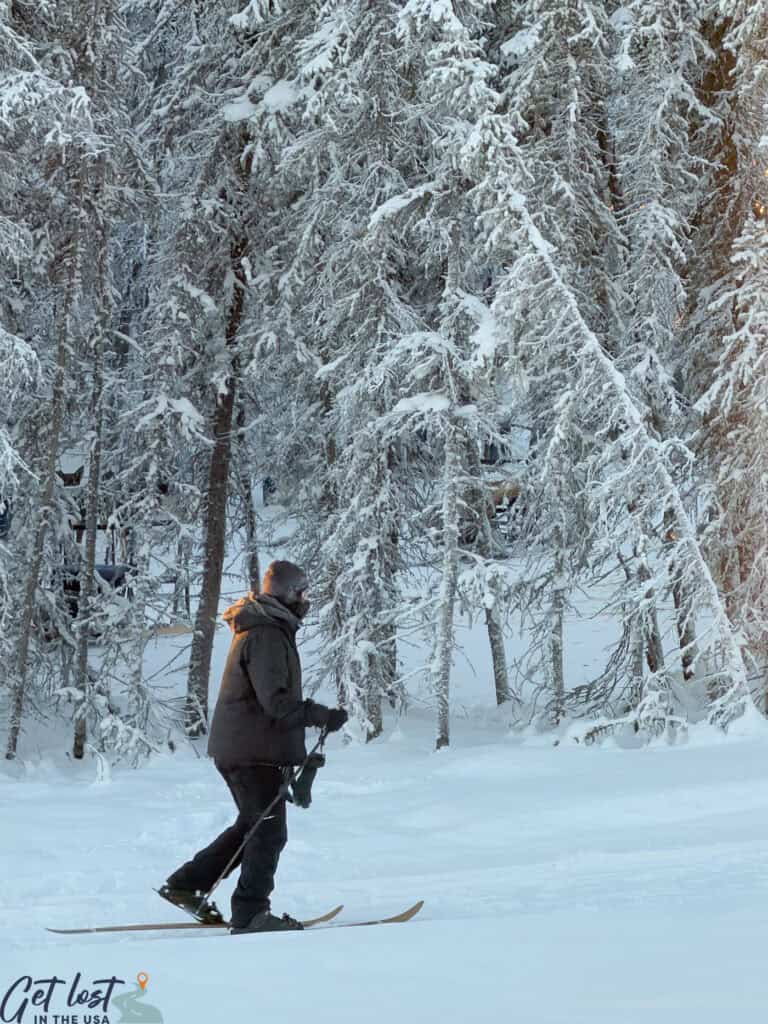
- Cross-country skiing
- Fat tire biking
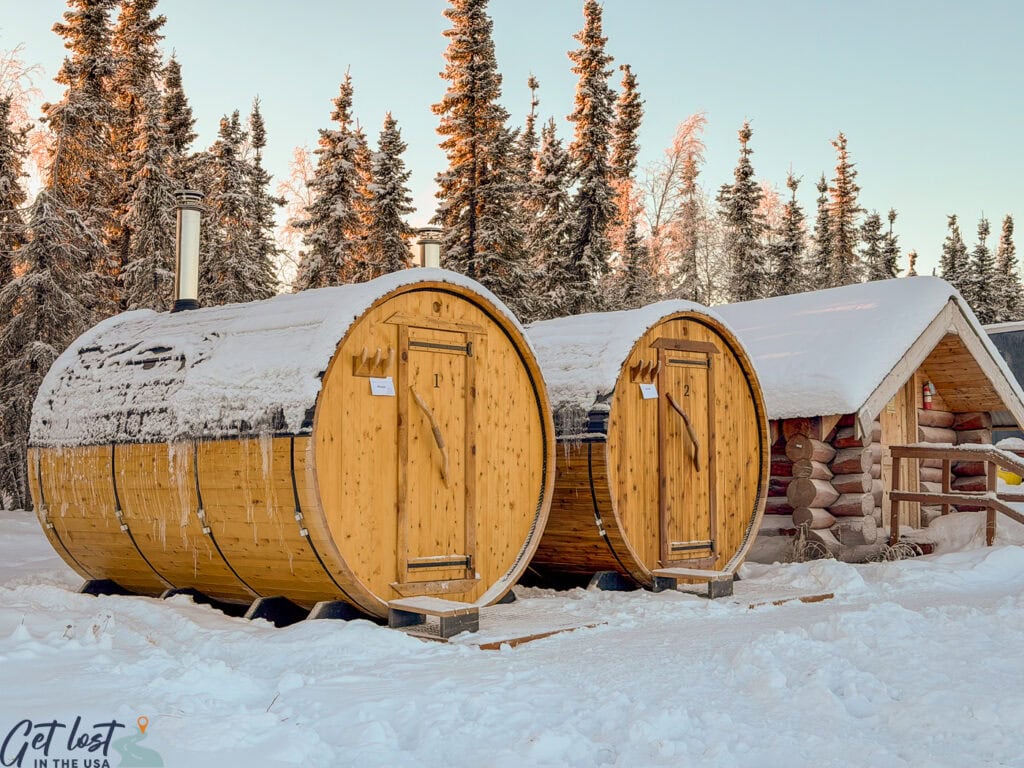
- Sauna sessions
Dining at Borealis Basecamp
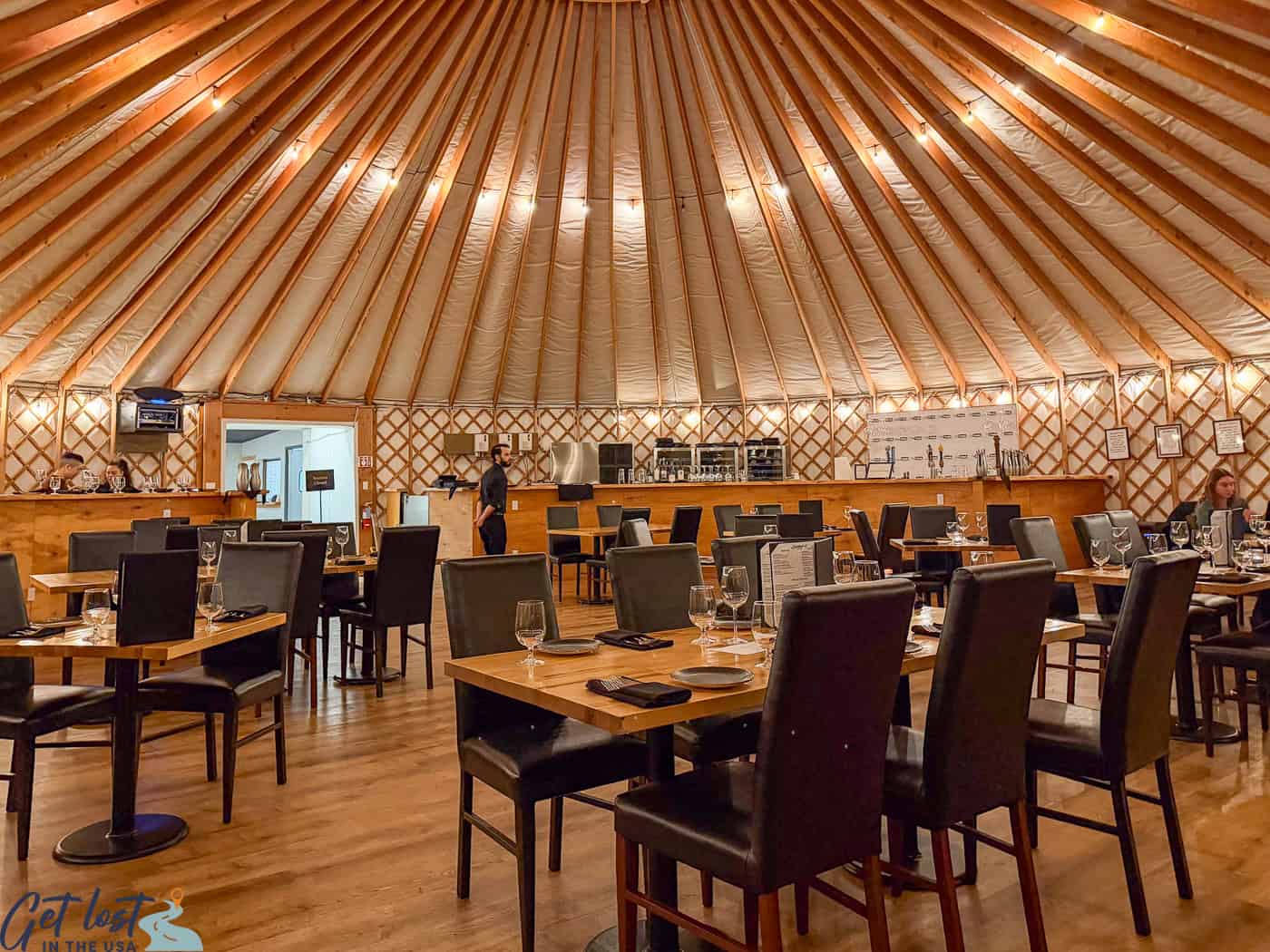
There are three dining options on-site, and I ended up trying two of them.
- Latitude 65 – lunch 11:30 AM–3:00 PM; multi-course dinner by reservation 5:30–9:00 PM
- Basecamp Café – 9:00 AM–4:00 PM (coffee, snacks, light fare)
- The Pub – casual dinner, 5:30–9:00 PM
I had dinner at Latitude 65, the on-site restaurant set inside a craftsman-built yurt. It’s a multi-course, plated dinner with a seasonal menu. They use Alaska-sourced ingredients, including local produce and some foraged elements, and make everything from scratch.
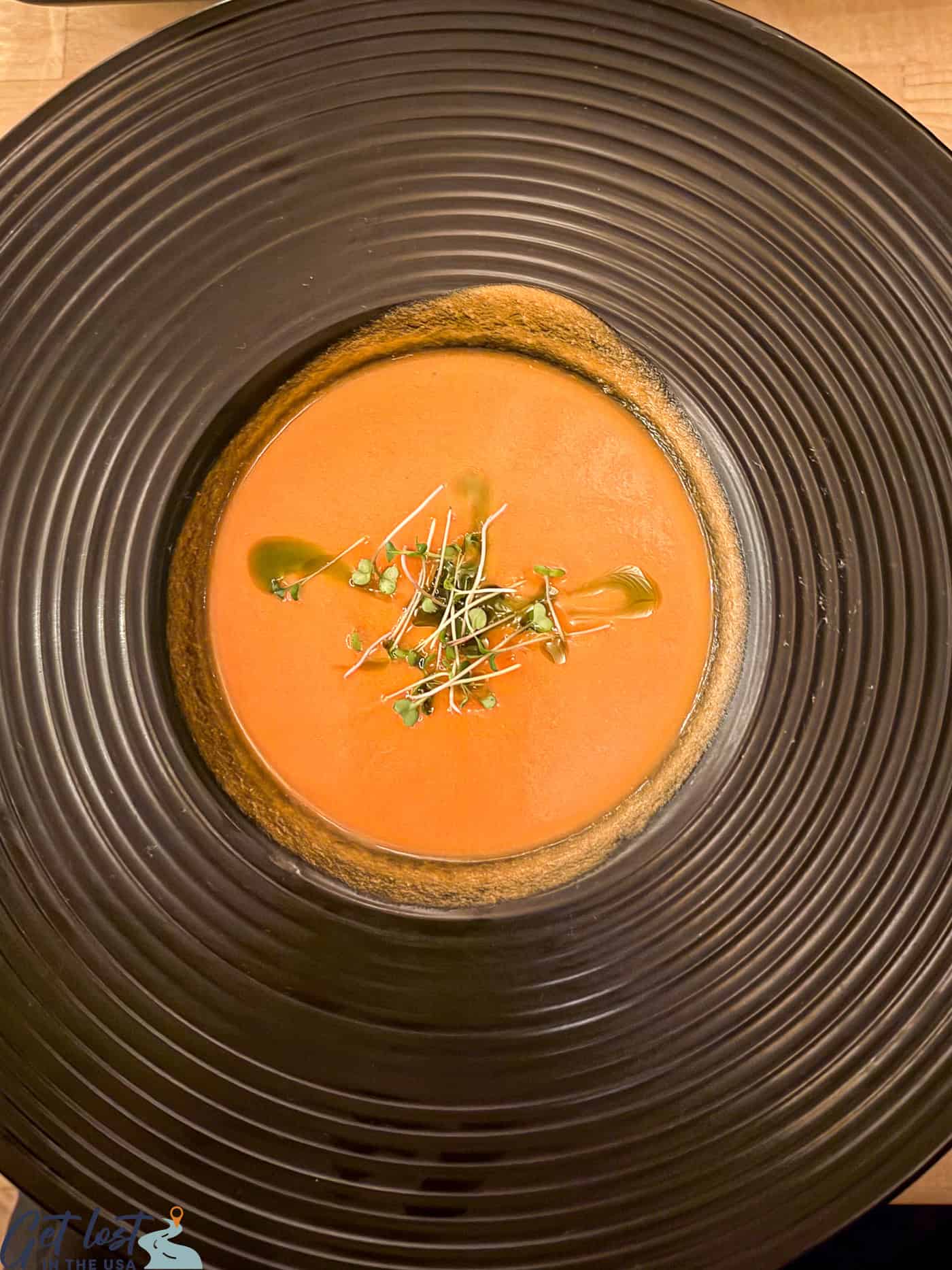
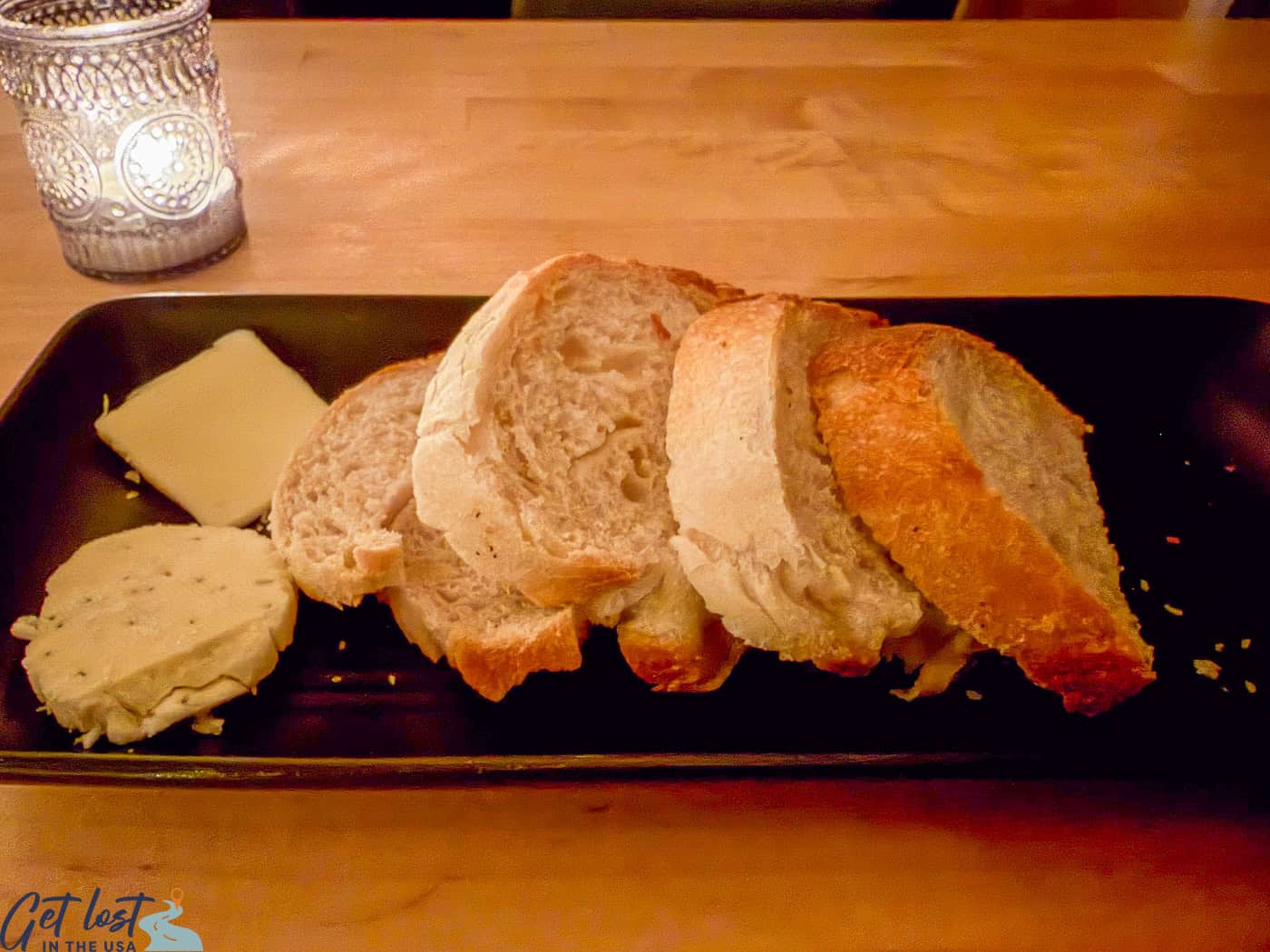
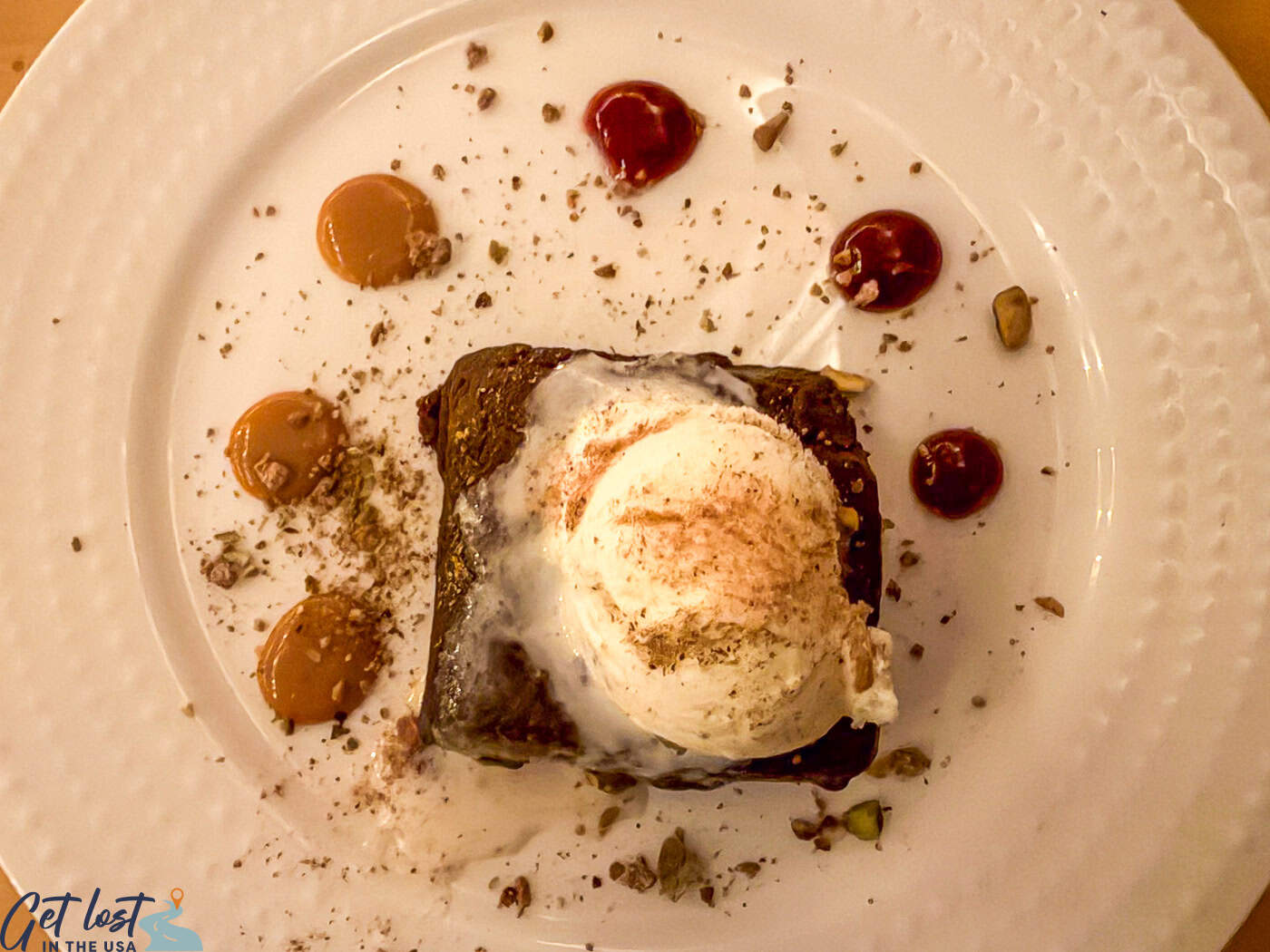
I started with warm bread and butter at the table, followed by the tomato basil soup, the winter squash risotto, and a warm fudge brownie for dessert. It’s no wonder this has become one of Fairbanks’ most highly rated restaurants. Everything was fresh and full of flavor, and the whole meal completely exceeded my expectations.

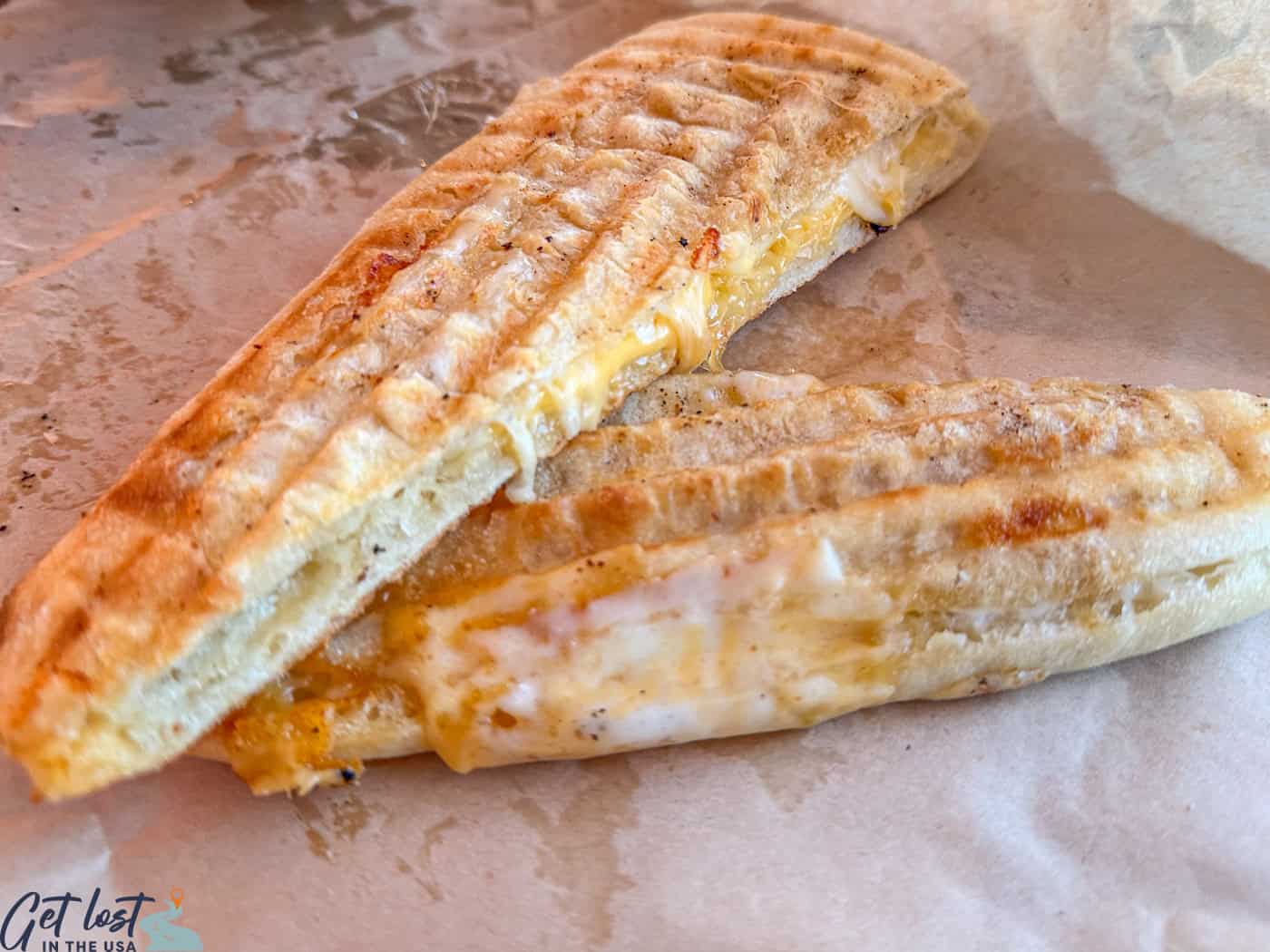
Earlier that day, I grabbed a quick grilled cheese panini and chips at the Basecamp Café before my afternoon activities—the perfect comfort food for a cold day.
Is Borealis Basecamp Worth It?
For me, this was one of the most memorable parts of my trip to Fairbanks. Being able to watch the northern lights from inside instead of bundling up and standing out in the cold made a big difference.
If your priority is seeing the aurora with as little effort as possible, this is one of the easiest and most comfortable ways to do it. Everything at Borealis Basecamp is built around that idea, from the room design to the alerts that wake you when something is happening.
If you want flexibility, a lower price point, or the ability to chase clearer skies, this probably isn’t the best fit.
If you’re looking for a once-in-a-lifetime, bucket list experience, this is it.
What To Know Before You Go
- This leans more toward a splurge experience and is one of the more expensive ways to see the northern lights near Fairbanks.
- Once you’re on the ridge, you’re pretty committed to staying there for the night, so you’re trading flexibility for convenience. If you want something more flexible, I also at Aurora Pointe.
- The experience is built around staying overnight with rooms designed for sky viewing.
- Aurora alerts are built in, so you don’t have to stay up all night checking the sky.
- You can watch from inside, but you’ll likely still want to step outside for a wider view.
- You don’t need to drive or chase the lights since the property is set away from city lights.
- One night can work, but two or more nights improve your chances.
- If you’re deciding between aurora options, Aurora Pointe offers a simpler setup closer to town, while Chena Hot Springs gives you a more structured, guided experience outside the city.



Leave A Reply!