Chena Hot Springs Resort is best known for its outdoor rock lake, but it’s also a place people go to try to see the northern lights. So I stayed overnight in the winter to check it out.
Once I got there, I saw how the resort is set up as a mix of relaxing and structured activities. I could soak in the hot springs, book a dedicated northern lights tour, and visit places like the ice museum and geothermal greenhouse, along with seasonal options like dog sledding and snowmobiling.
Chena is just one way to see the aurora around Fairbanks, so if you’re trying to compare options, I go through how to see the northern lights in Fairbanks in my full guide.
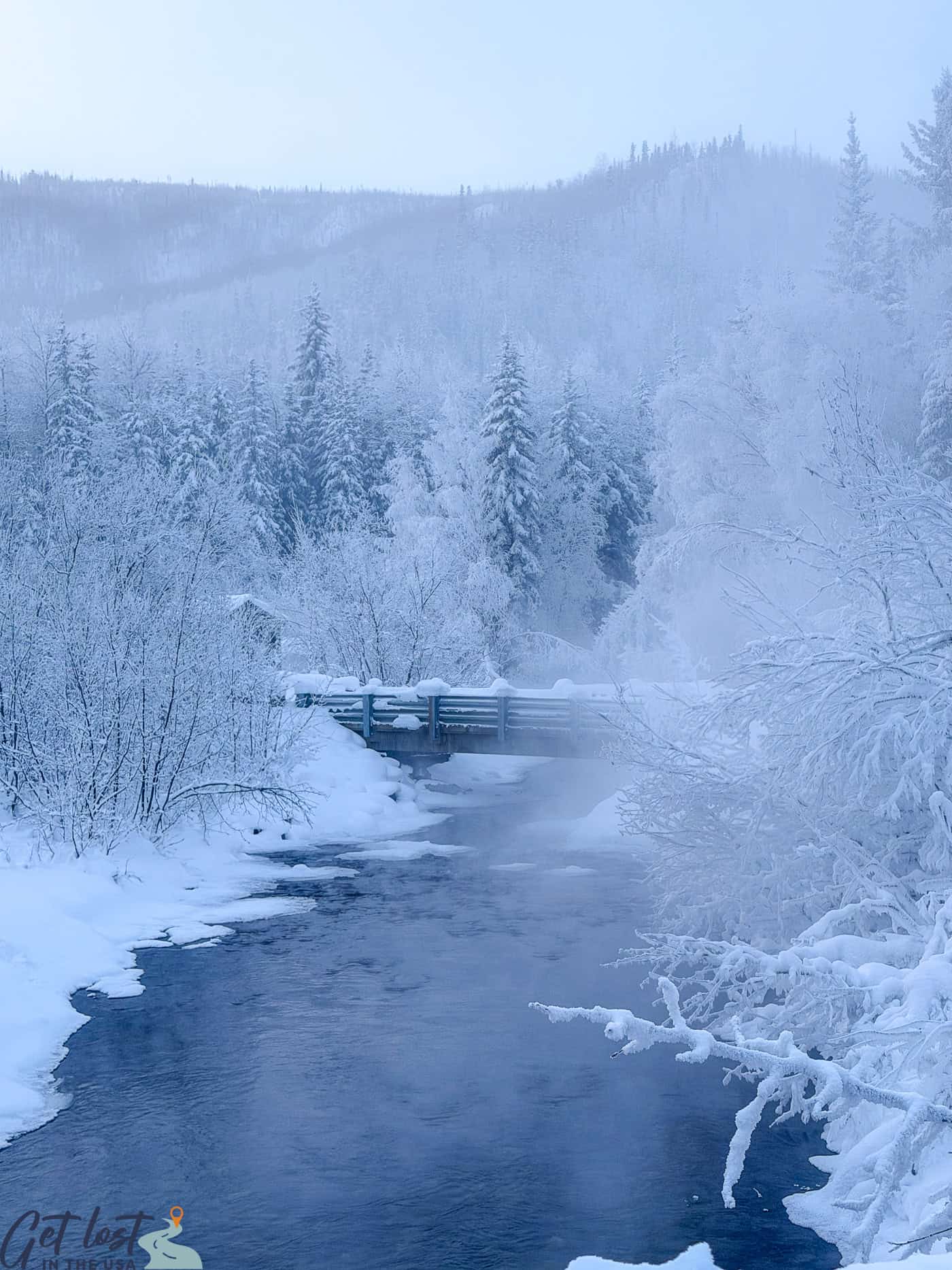
Thank you to Explore Fairbanks for arranging my visit to Chena Hot Springs. Everything here is based on my real experience.
Quick Take: Chena Hot Springs
- Best experienced as an overnight stay, not a quick visit
- Hot springs are the highlight, especially in winter
- Northern lights tour is convenient but runs on a fixed schedule
- Ice museum and greenhouse are worth adding, but secondary
- Not a luxury stay, but everything is in one place
- Good choice if you want an easy, all-in-one experience outside Fairbanks
The Outdoor Hot Springs Soak
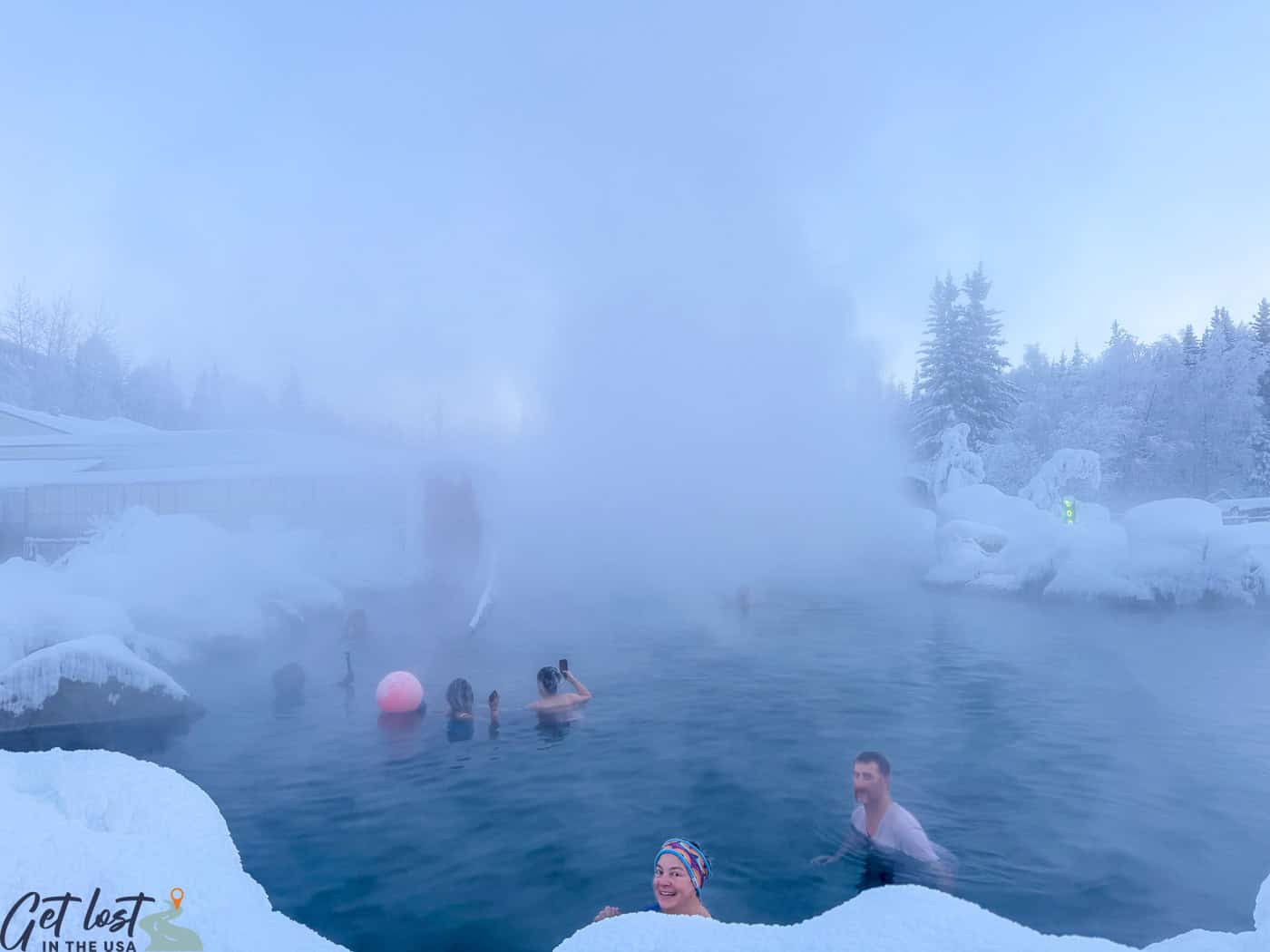
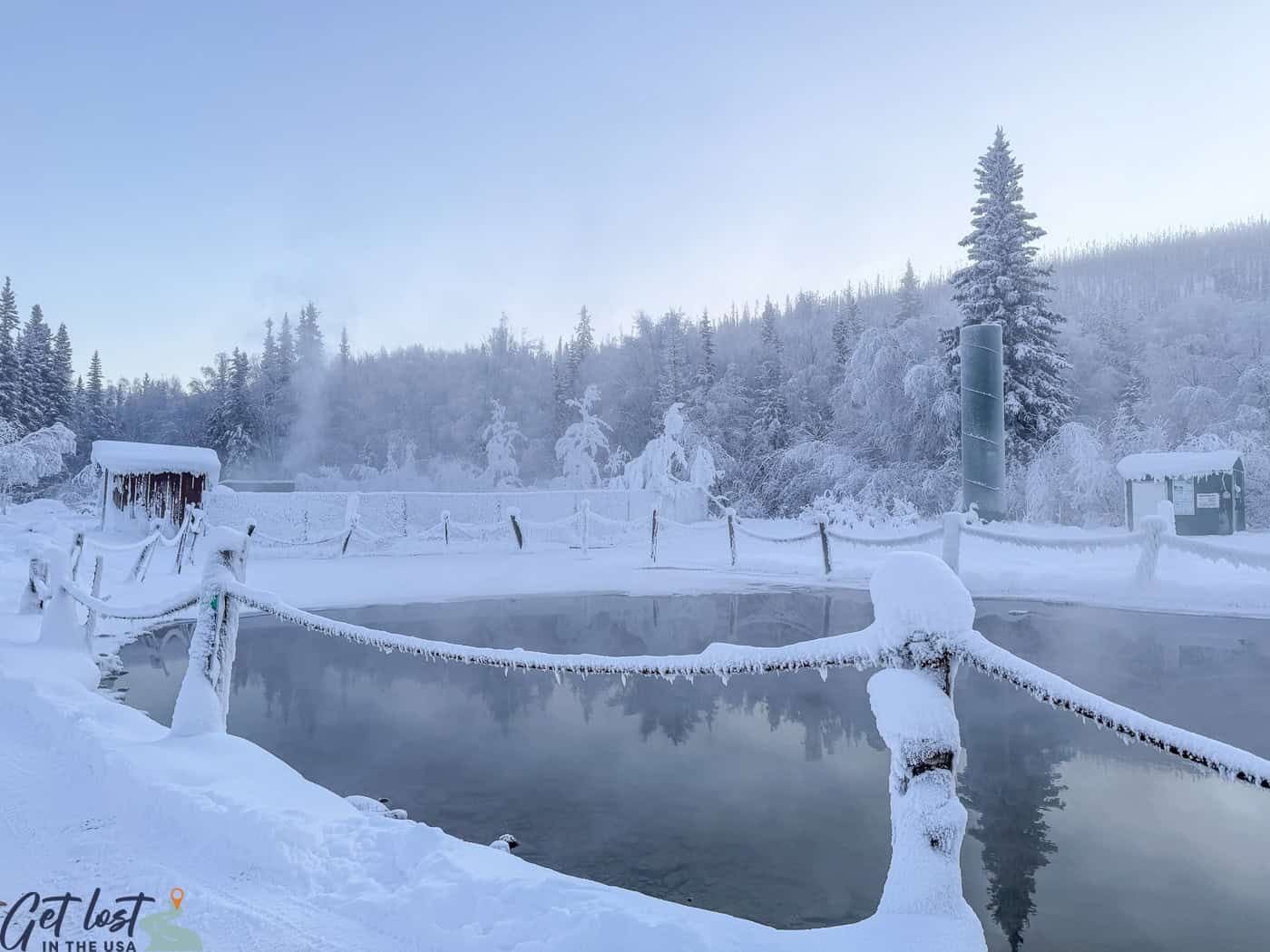
The outdoor rock lake/hot springs is the main draw of the resort, and winter is the most popular time to soak in its geothermal waters. The rock lake is 21+, but the indoor pool and hot tubs are open to all ages.
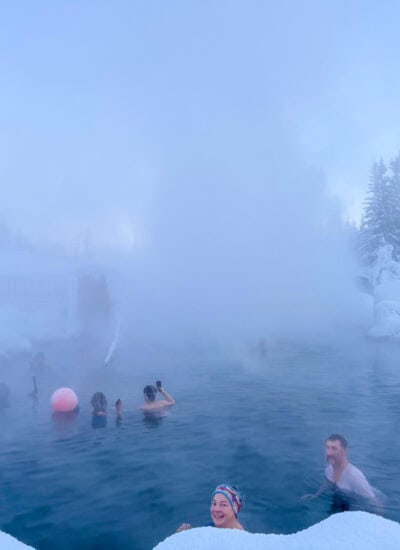
The water temperature is usually around 106°F, though I noticed pockets of hotter and cooler water throughout the pool. There are also a couple of spots where the inflow creates a stronger stream that can feel a bit like a natural massage.
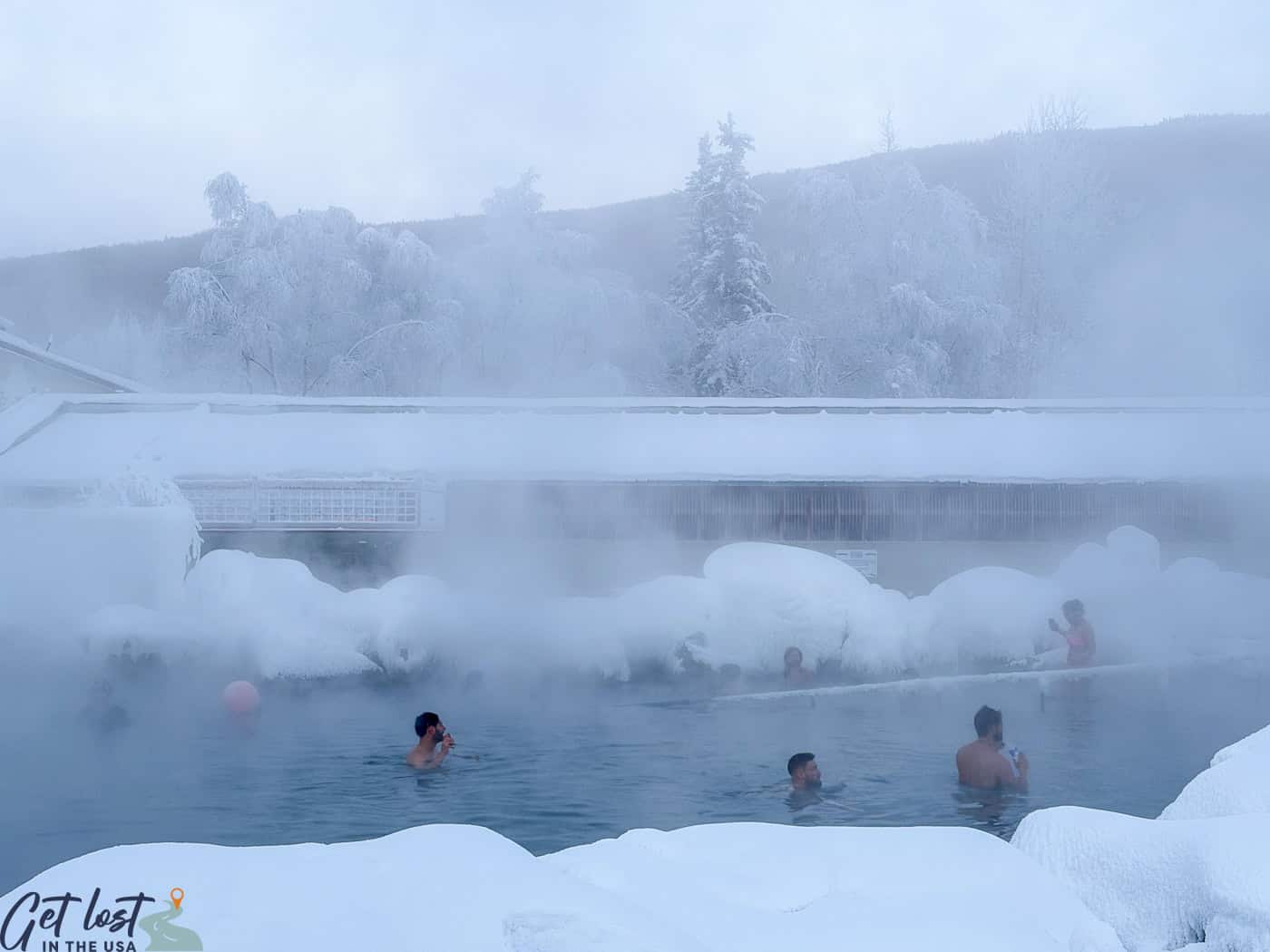
When I visited, it was more than 30 degrees below zero, so the temperature contrast between the air and the water created a thick layer of steam hovering over the pool. It makes for dramatic photos, but it also limits visibility, which adds a surprising level of privacy. You can’t really see very far, so if you’re modest, it actually feels more comfortable than you’d expect.
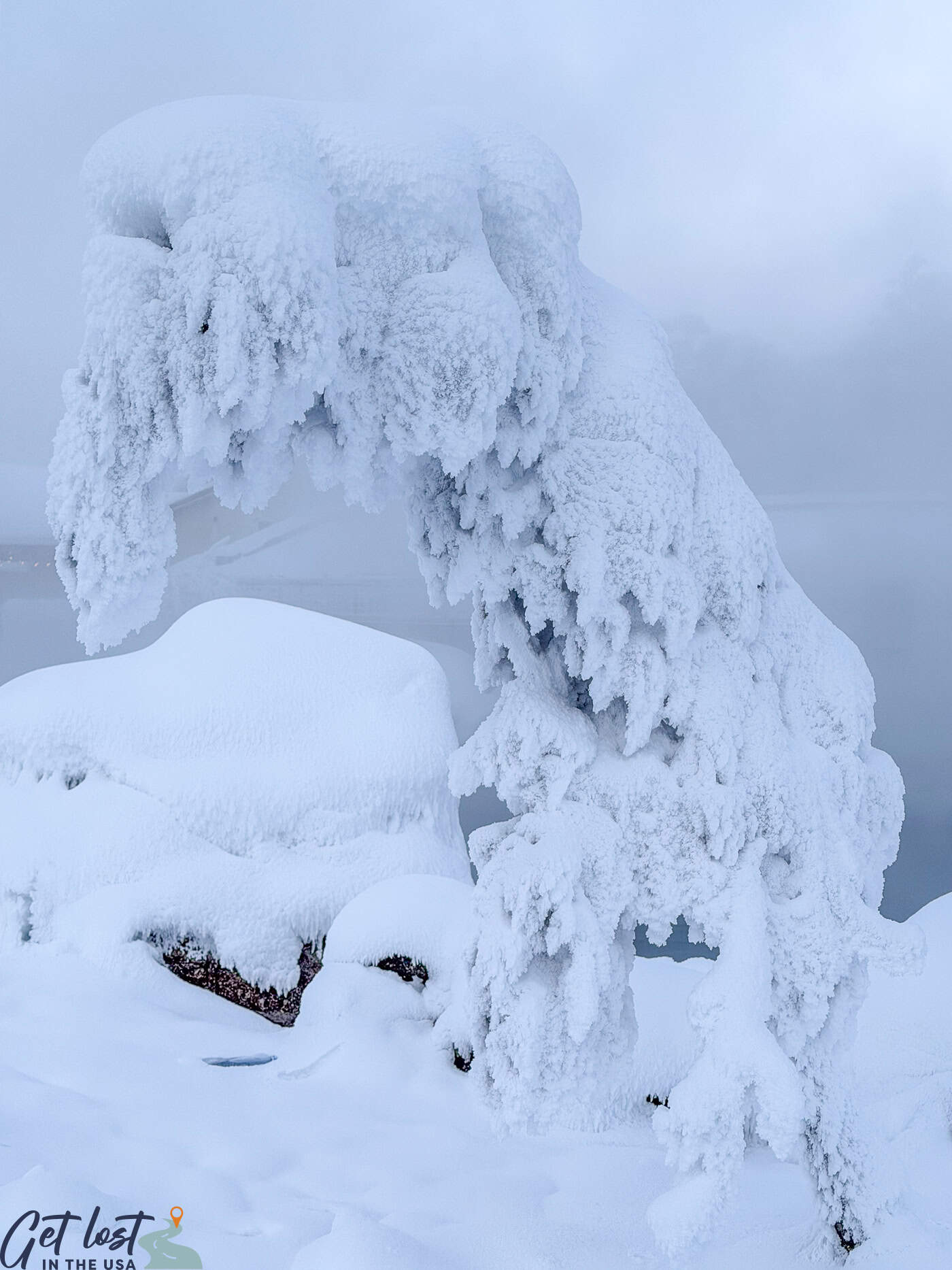
One side effect of all that steam is that it coats your hair, eyebrows, and eyelashes, which then freeze into squiggly shapes. You’ll see people doing this on purpose, but just as many wear beanies to keep their heads warm and avoid it altogether. (I wore a hat.)
Because the water is so hot, I got surprisingly thirsty, even after hydrating beforehand. I ended up drinking a full bottle of water as soon as I got out.
If you’re planning to soak, bring your own swimsuit, flip flops or water shoes, and a towel. Towels are available to rent, but they’re $5 and not very thick. Lockers cost 50 cents, so bring quarters. The floors can get a bit dirty, so having something on your feet makes a difference. If you forget a swimsuit, they do sell them on-site.
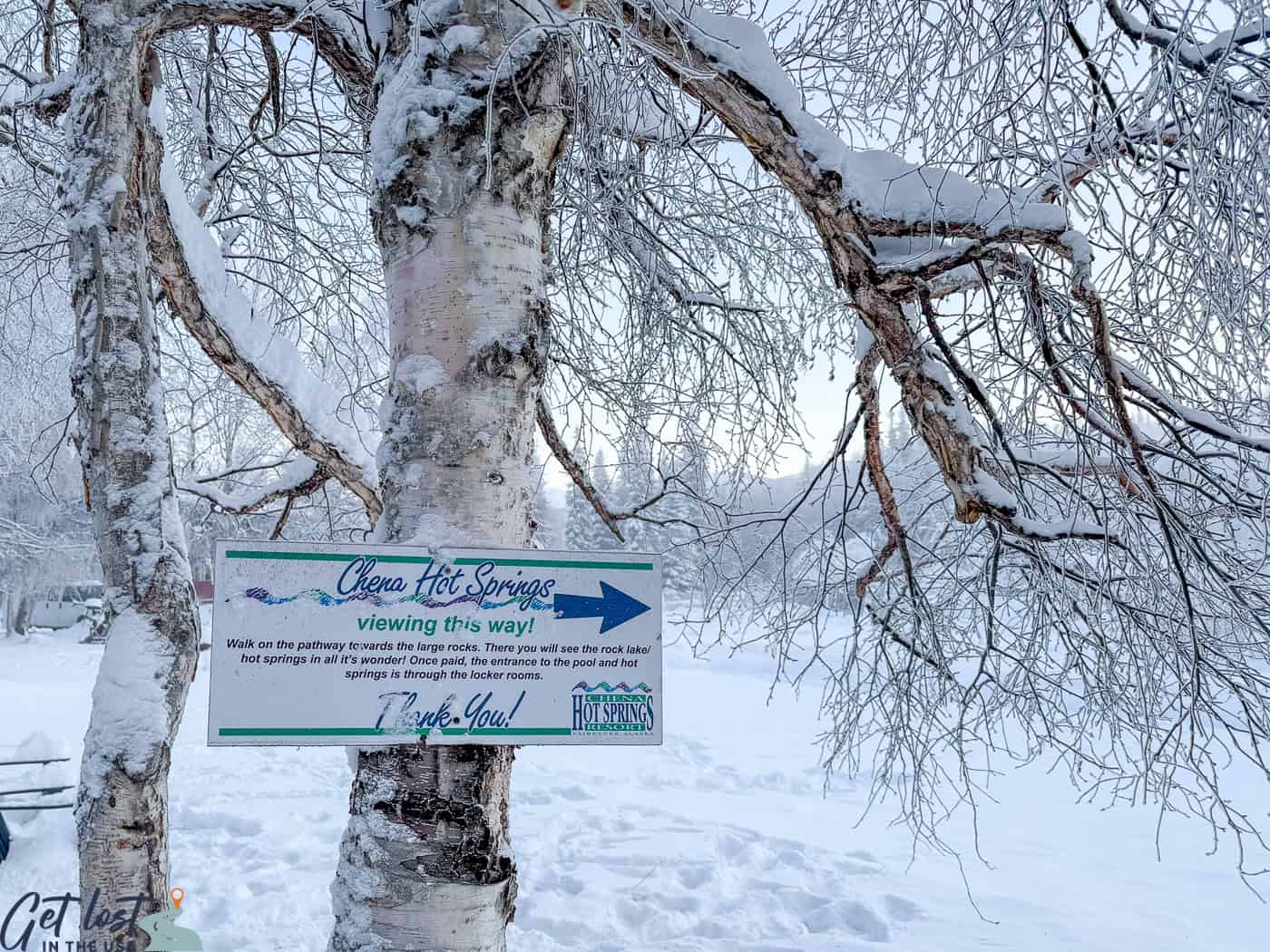
It tends to get crowded in the evenings, so for a more relaxed experience, I’d go during the day. Early mornings are the least crowded. And if soaking isn’t your thing, you can still see what it’s like from the viewing path around the rock lake.
Can You See the Northern Lights from the Hot Springs?
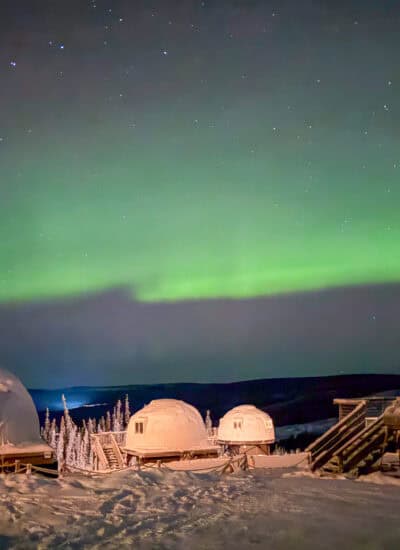
You might catch the northern lights from the hot springs, but it’s not the most reliable place to see them. Between the steam rising off the water and the light around the resort, visibility can be limited even on a clear night. You’re also sitting low in the pool, which makes it harder to get a full view of the sky. It does happen, especially during stronger aurora activity, but it’s not something I’d plan around.
The Northern Lights Tour at Chena Hot Springs
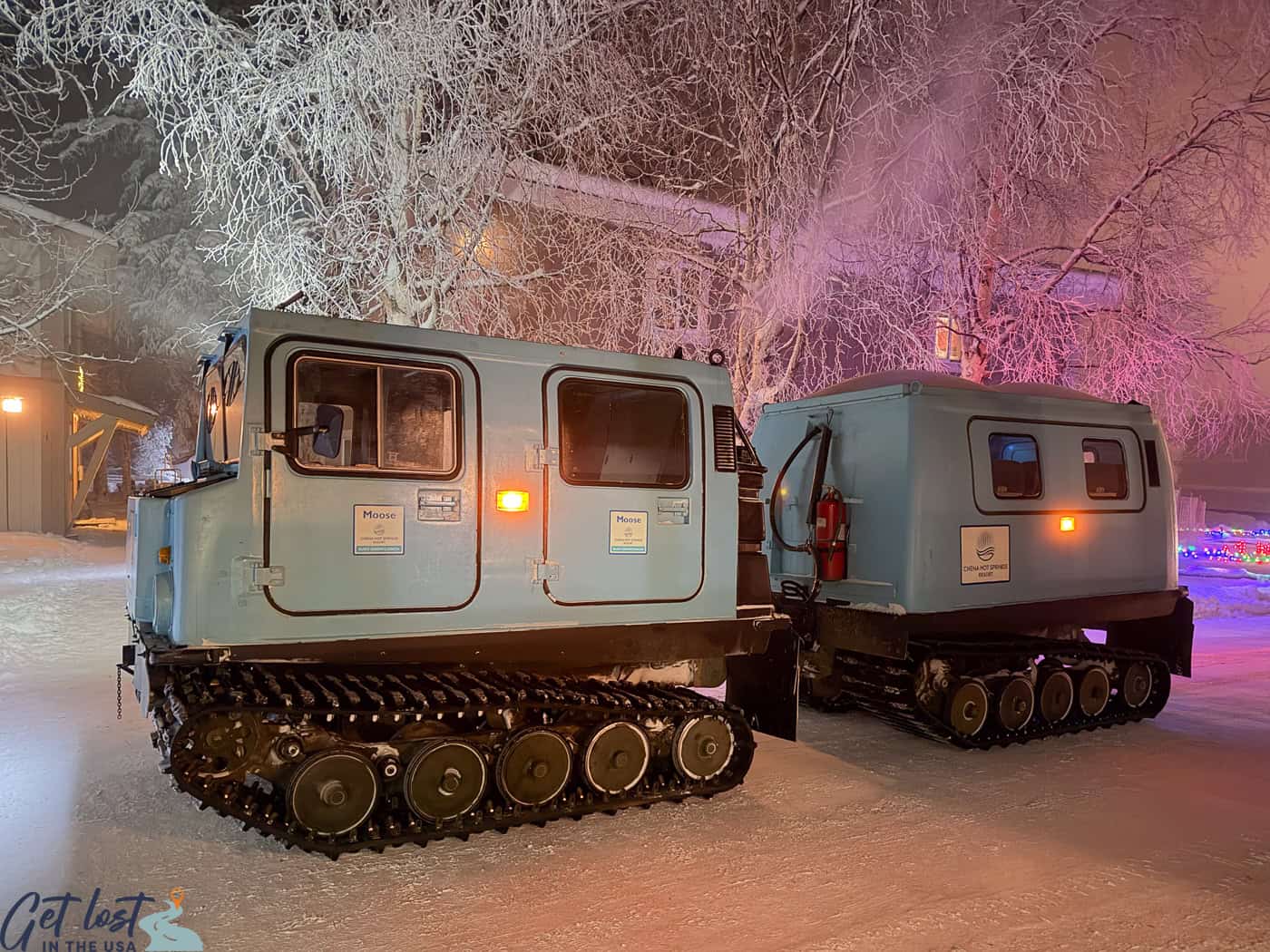
The tour started at 10 pm at the Activity Center, where we checked in before heading out on a 30-minute SUSV ride up to Charlie Dome. It was cold, bumpy, and I’m not gonna lie… a little claustrophobic. The space was tight, so I was more than ready to get out by the time we reached the top.
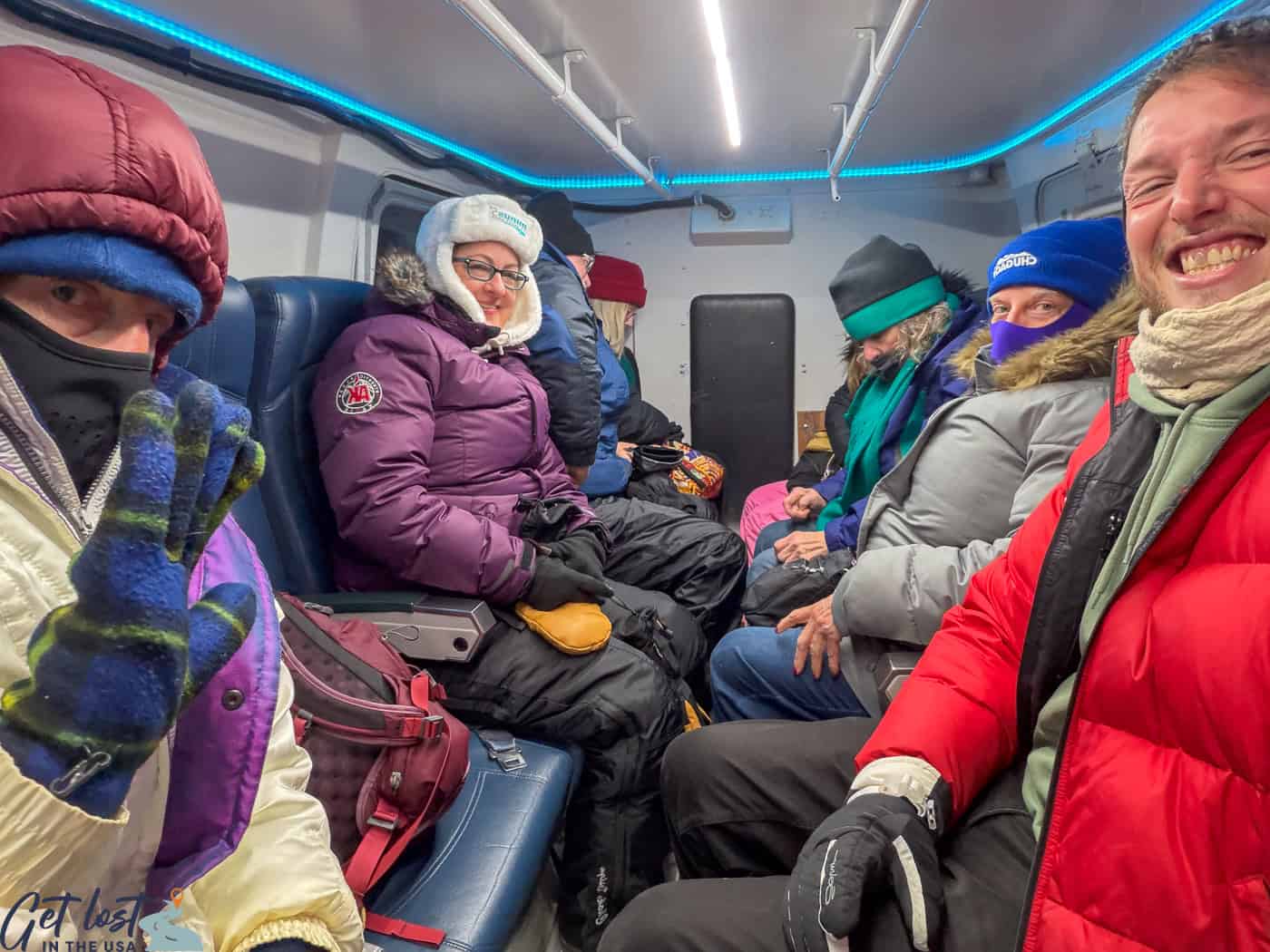
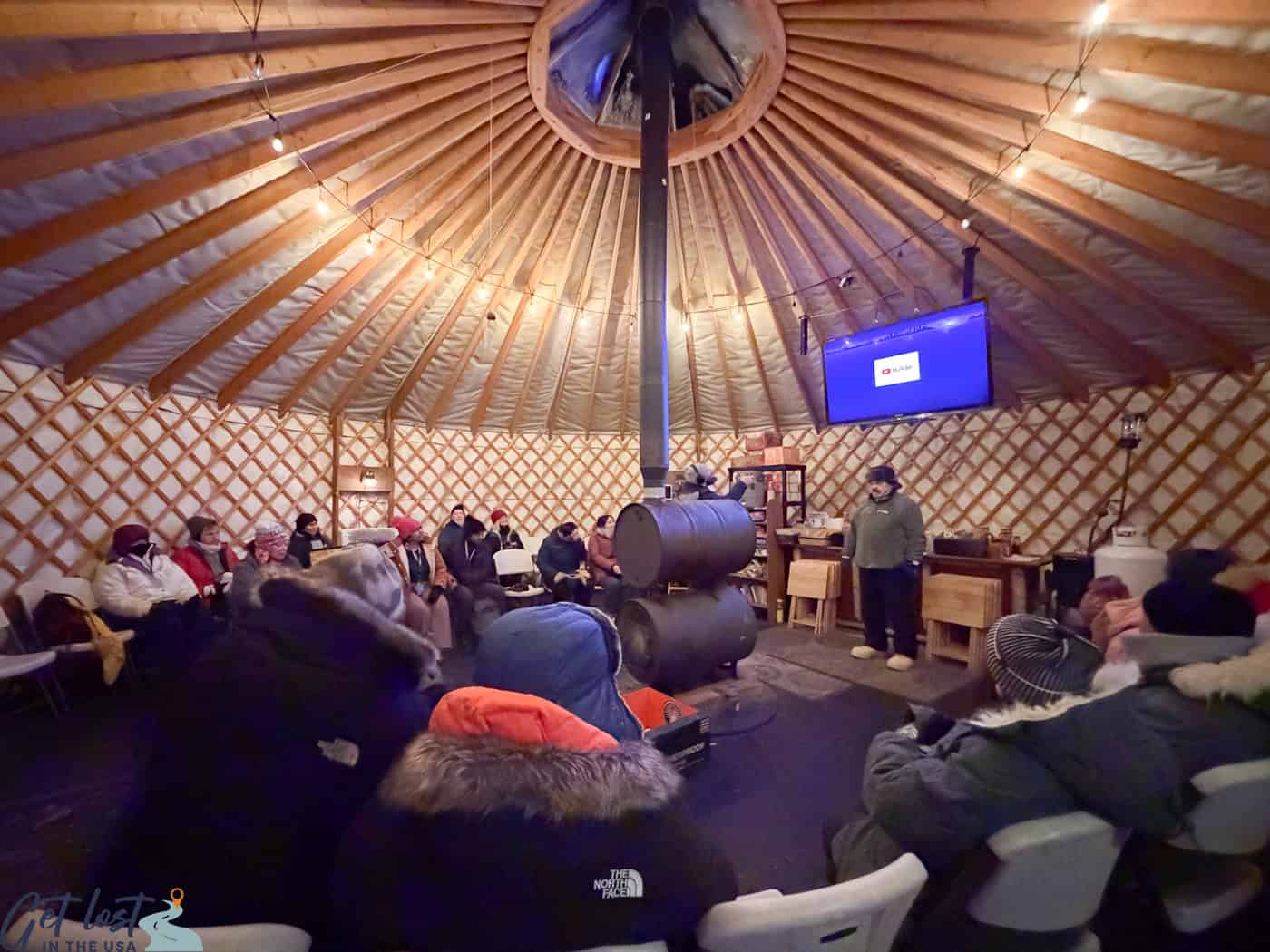
Once we reached the top, we gathered in a heated Mongolian-style yurt for a quick rundown. This is where I learned the basics: when the aurora typically appears (usually between 1:00 and 3:00 a.m.), where to go for the best views, and how to adjust my phone for night photos. Regardless of aurora activity, we wouldn’t be leaving until 2 a.m., so the yurt became our base for the next four hours.
There was a steady supply of hot drinks like tea, coffee, and hot chocolate, along with instant noodles and oatmeal, so we could warm up between trips outside. We needed it since temperatures were well below zero.
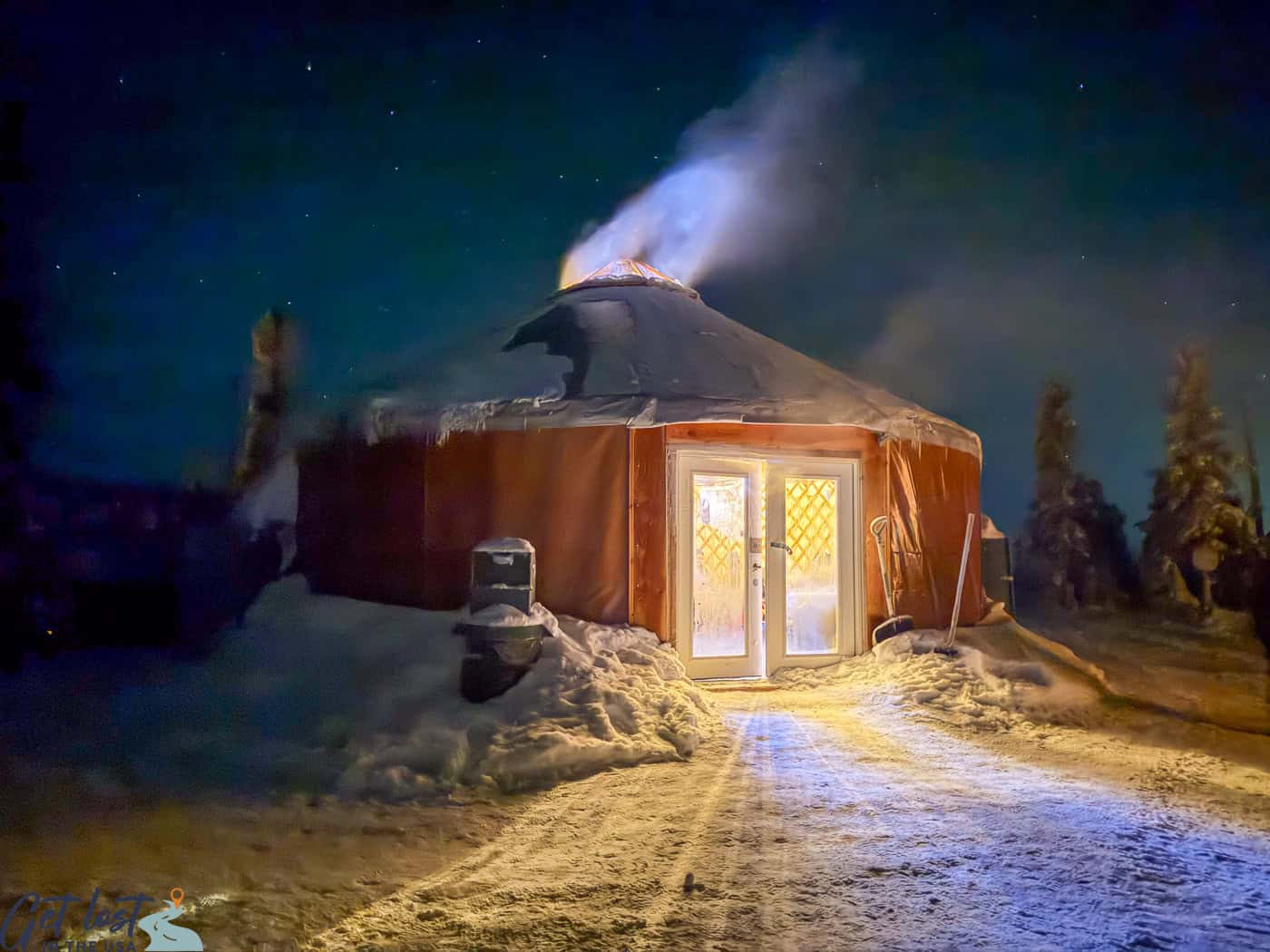
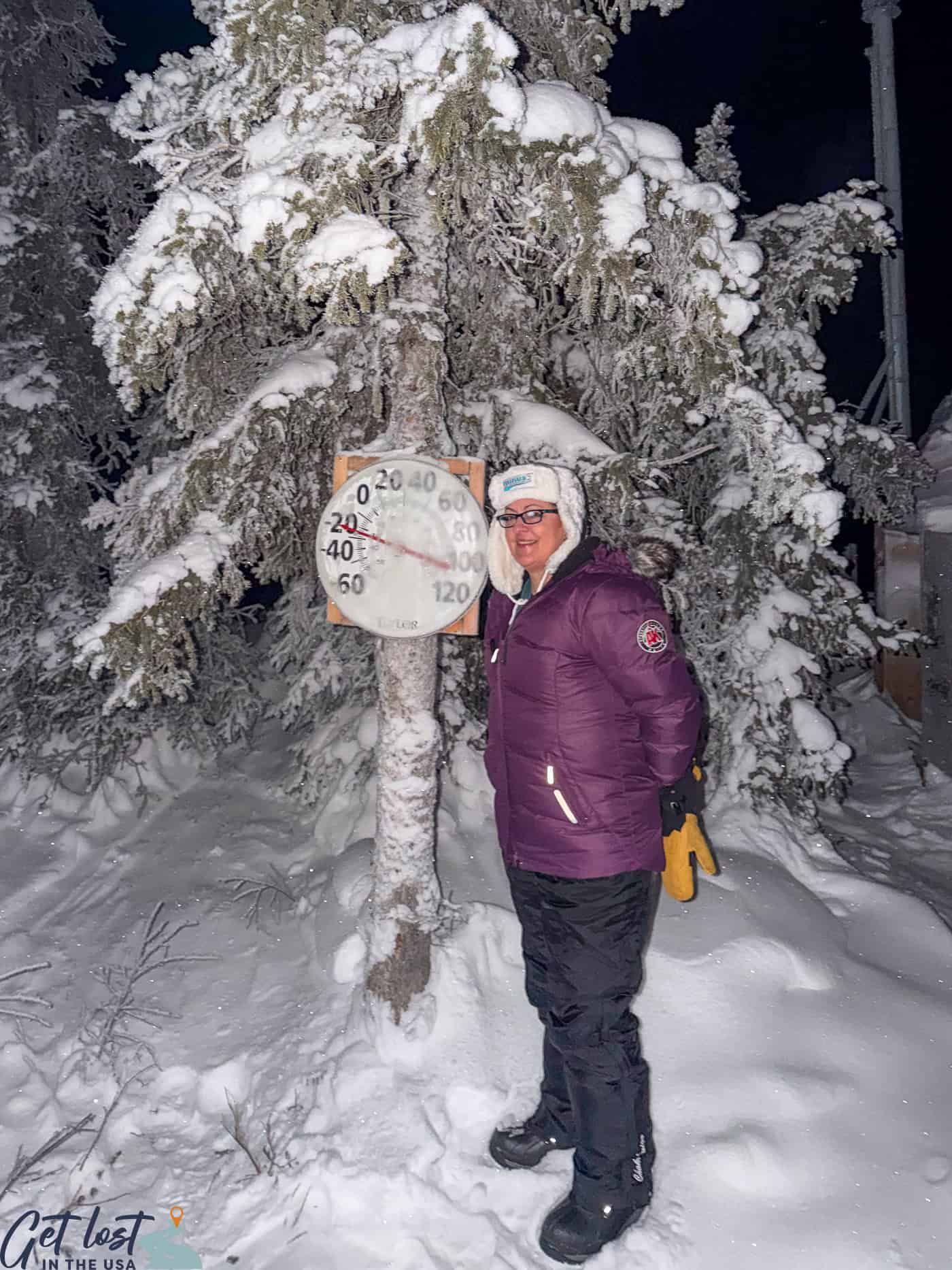
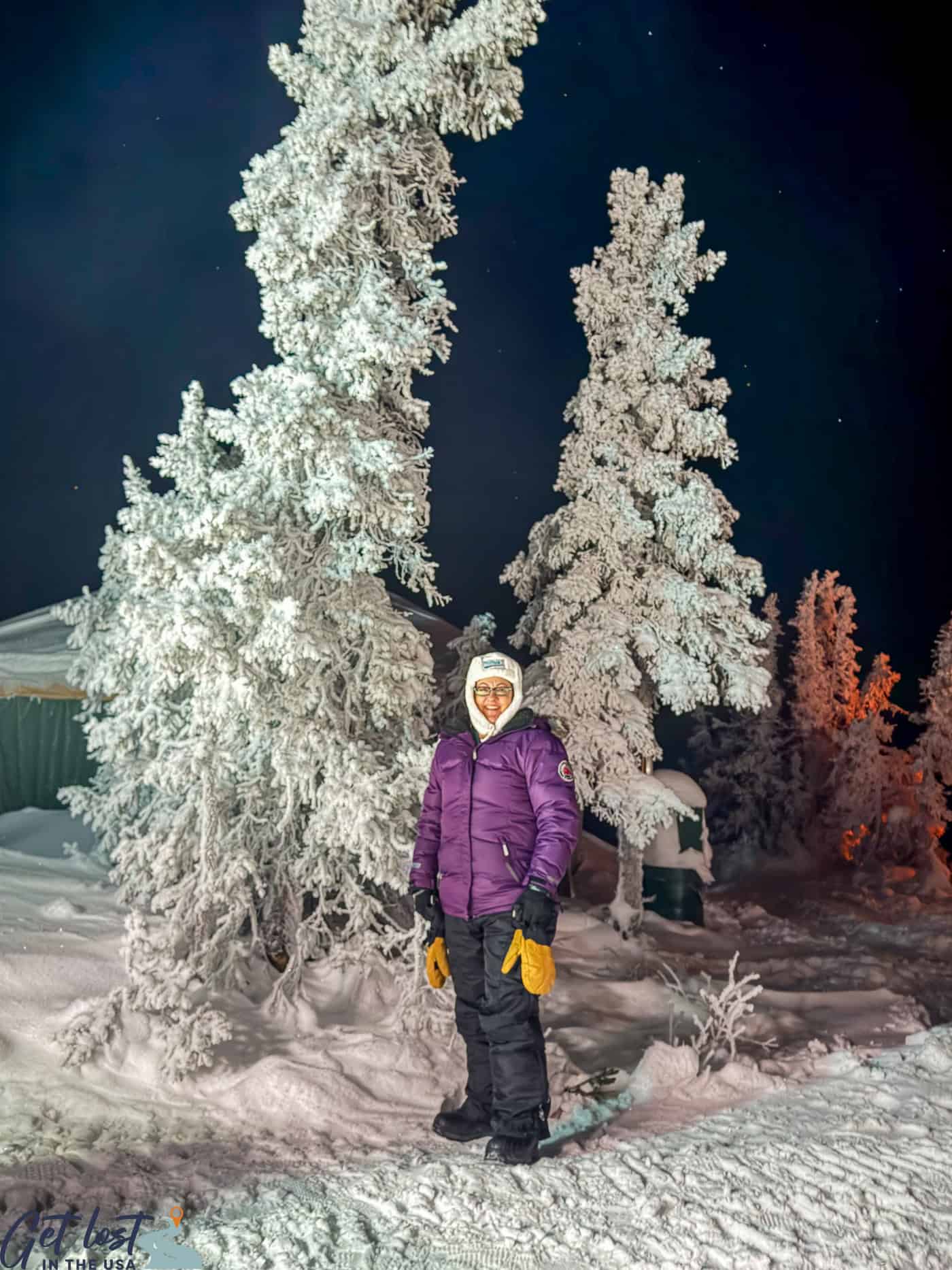
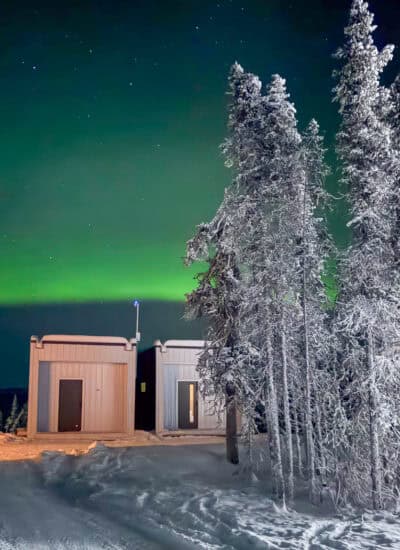
The full 360° unobstructed views on Charlie Dome made a noticeable difference. Once I walked away from the yurt, it was nearly pitch black, so conditions were ideal for the aurora to show up.
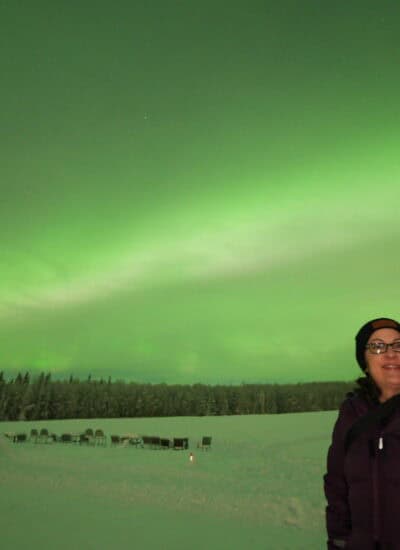
I could clearly see the lights through my camera, but they stayed low on the horizon instead of overhead. The best display happened shortly after we arrived, and after that, it gradually faded rather than getting stronger.
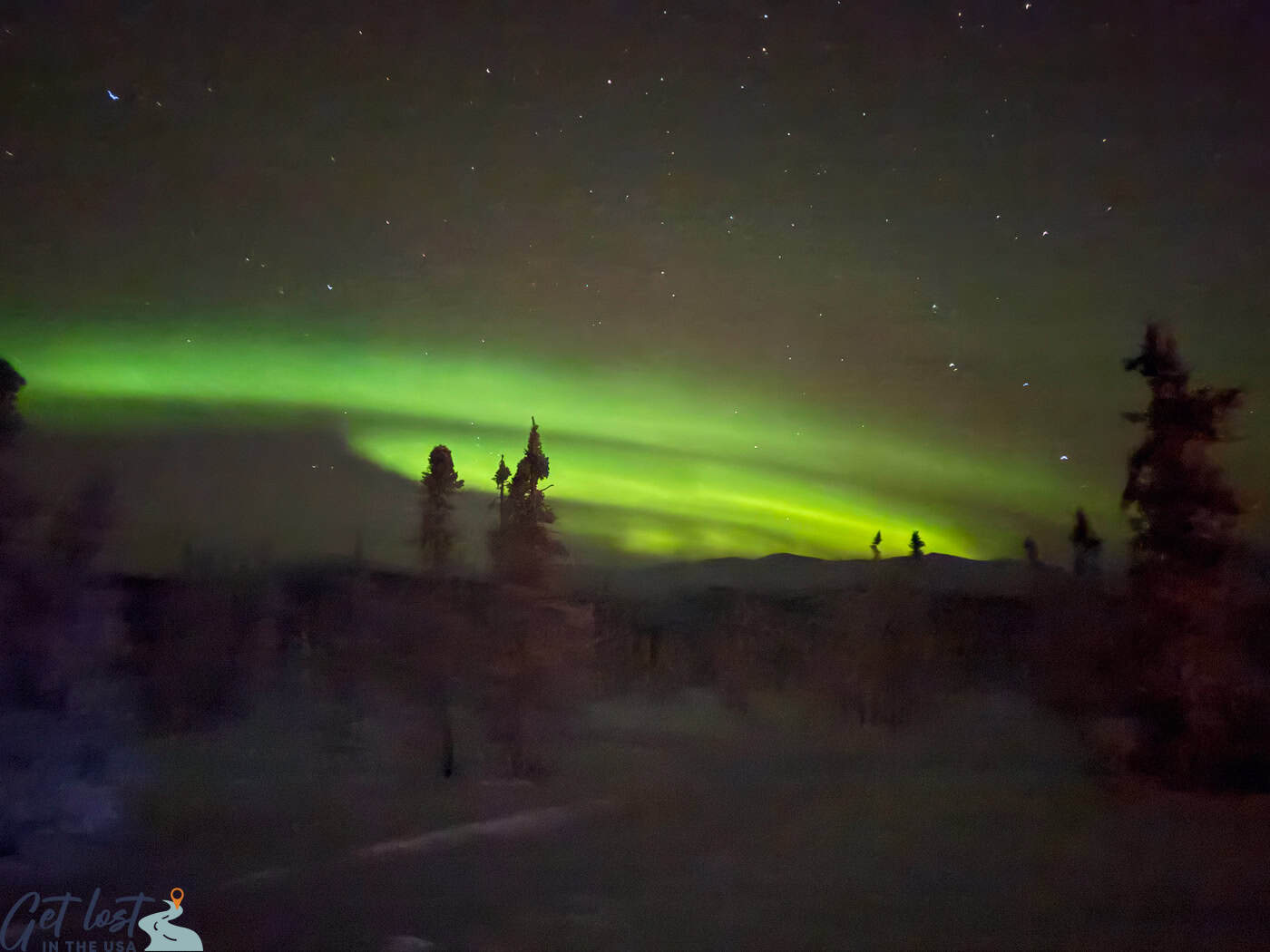
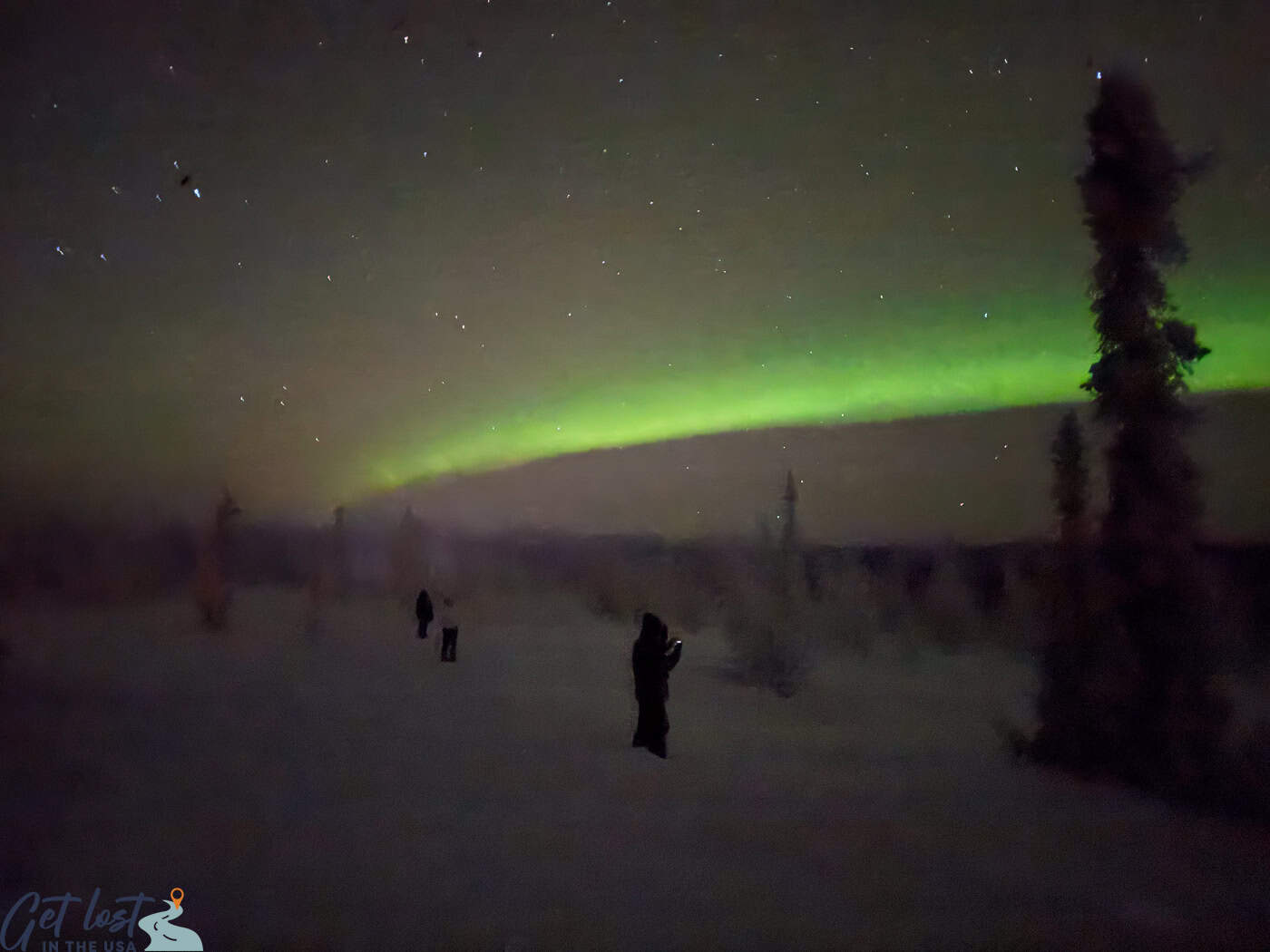
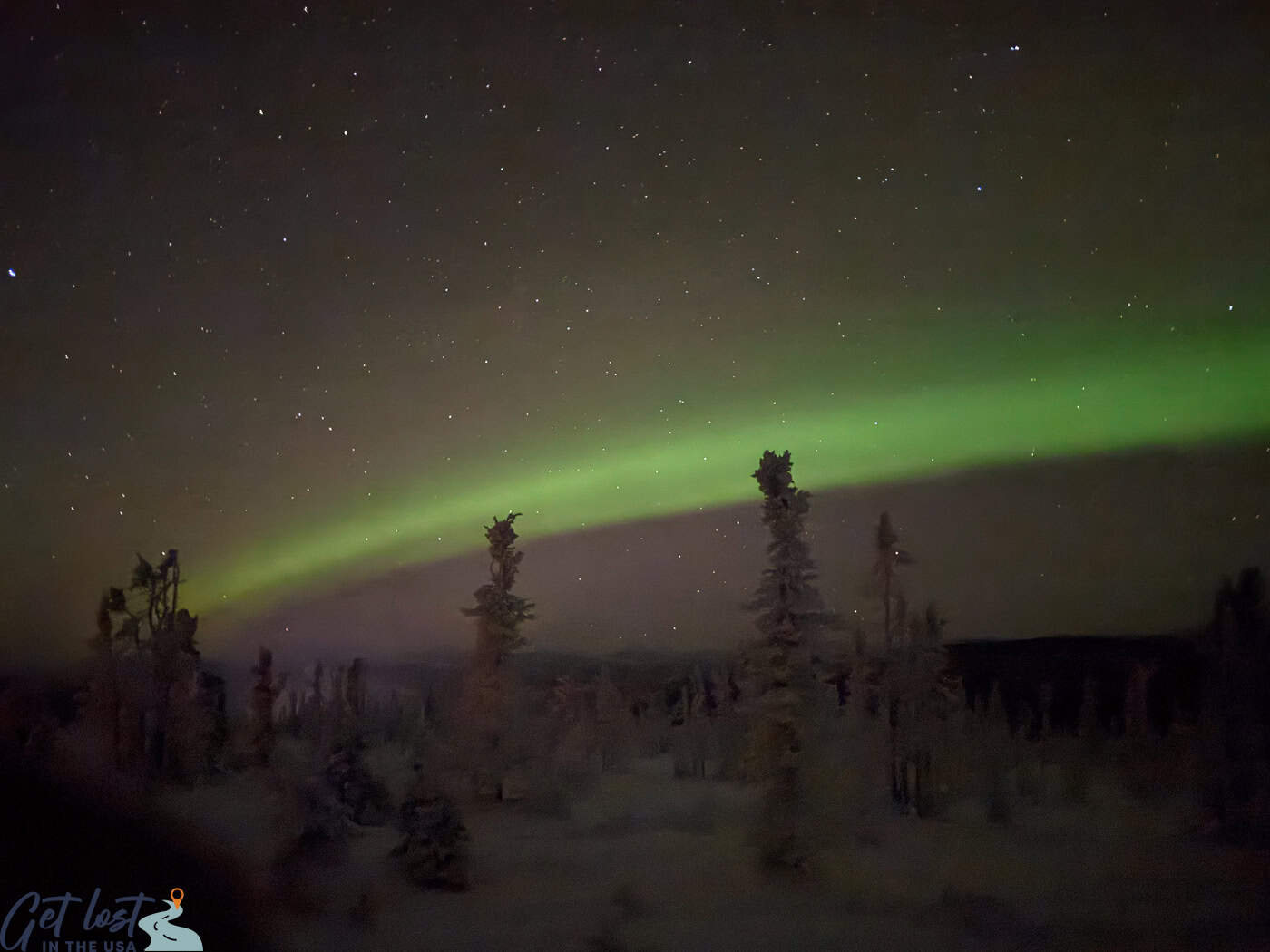
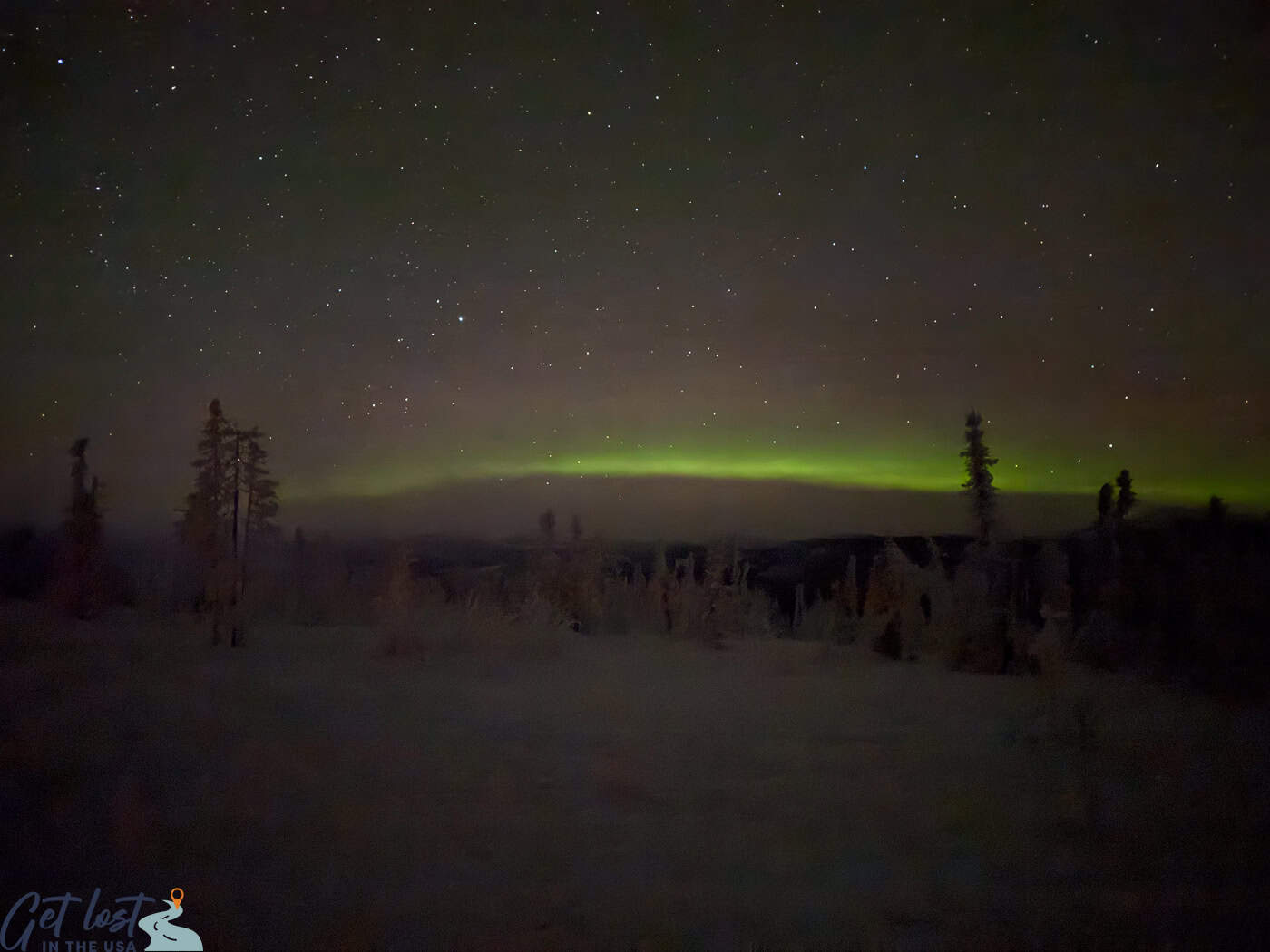
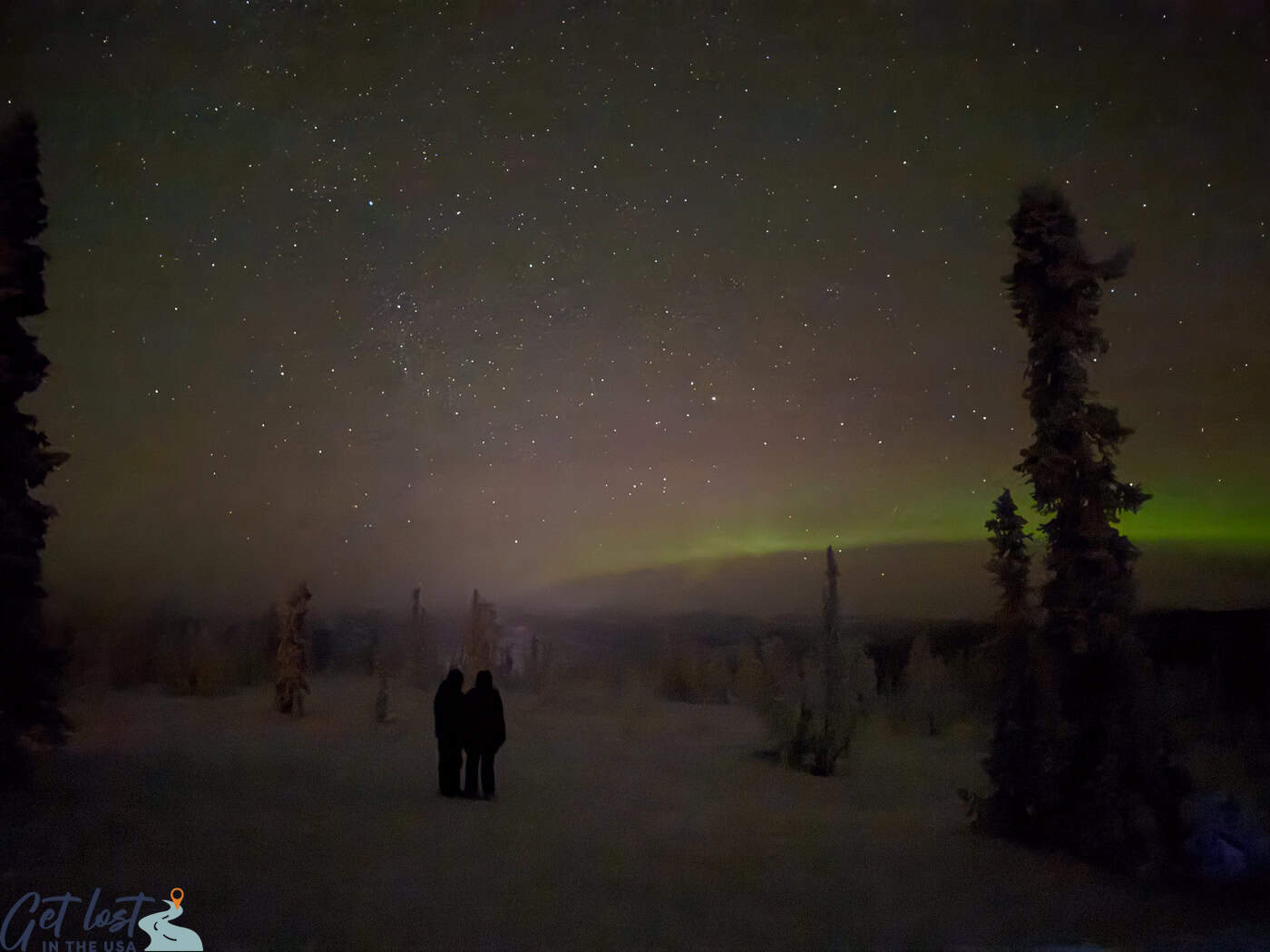
Even though it wasn’t the strongest aurora display, I still couldn’t get enough of the dark skies. Ever since I visited Cherry Springs State Park, I’ve been a little obsessed with the stars, so I spent just as much time looking up at those as I did waiting for the lights.
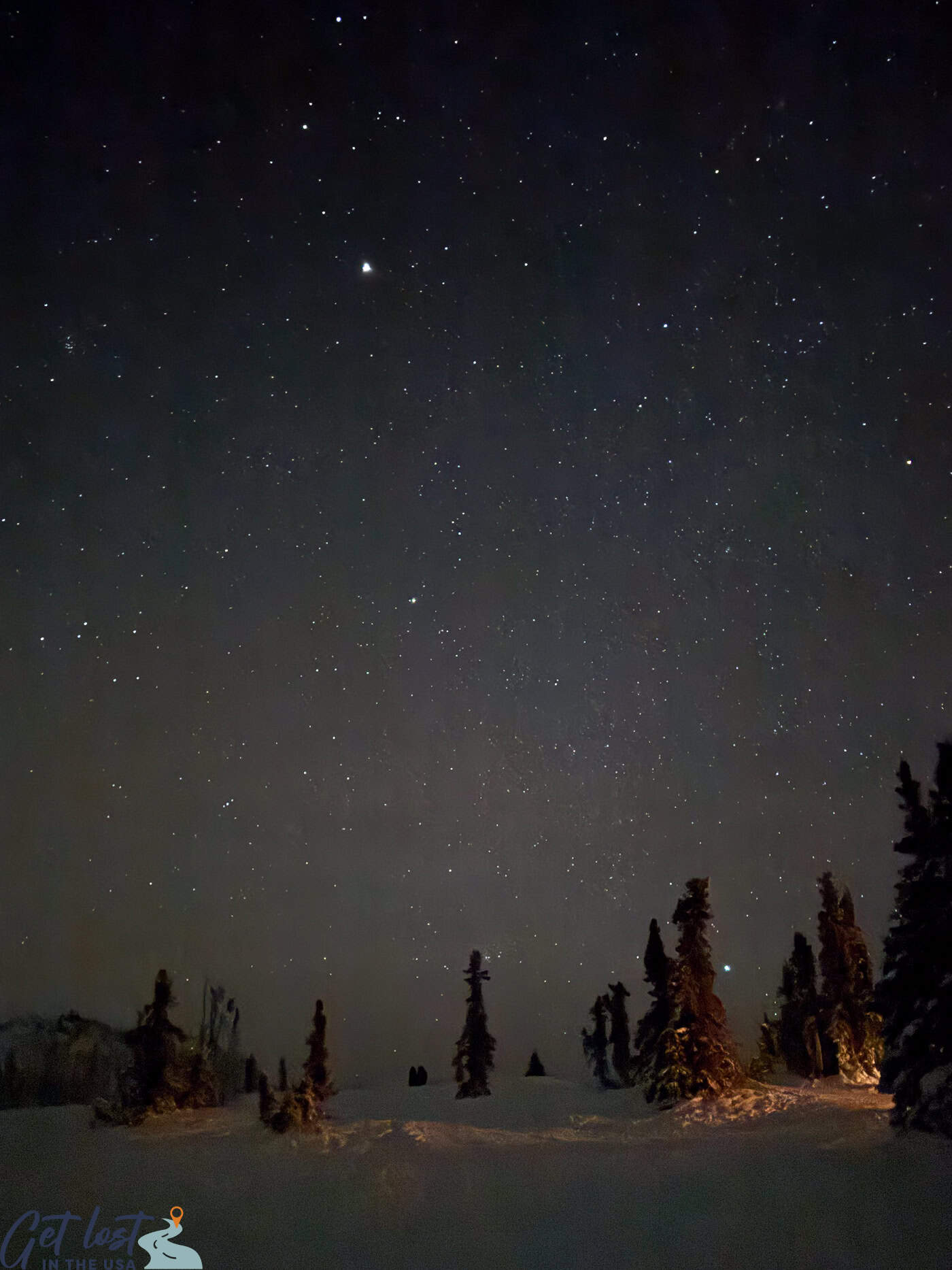
Throughout the night, there was a lot of back-and-forth as people checked the sky, then headed back inside to warm up. Since it was a low-activity night, most people spent a good amount of time in the yurt. With no Wi-Fi, people played board games, watched nature documentaries, or eventually just dozed off while waiting for something to happen.
At 2 a.m., we got back into the SUSV for the ride down to the resort, and that’s when I was most thankful I stayed overnight.
The Aurora Ice Museum
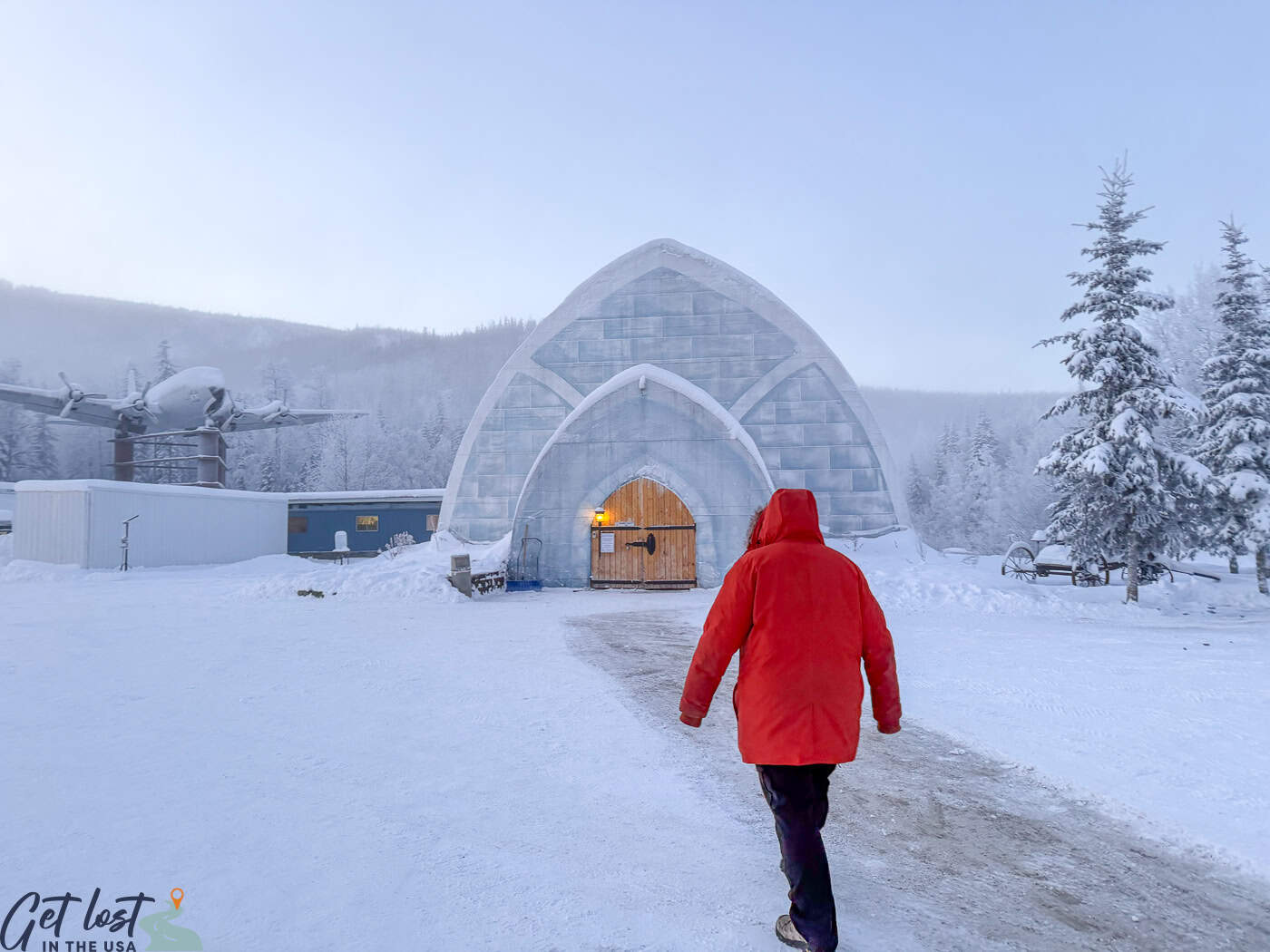
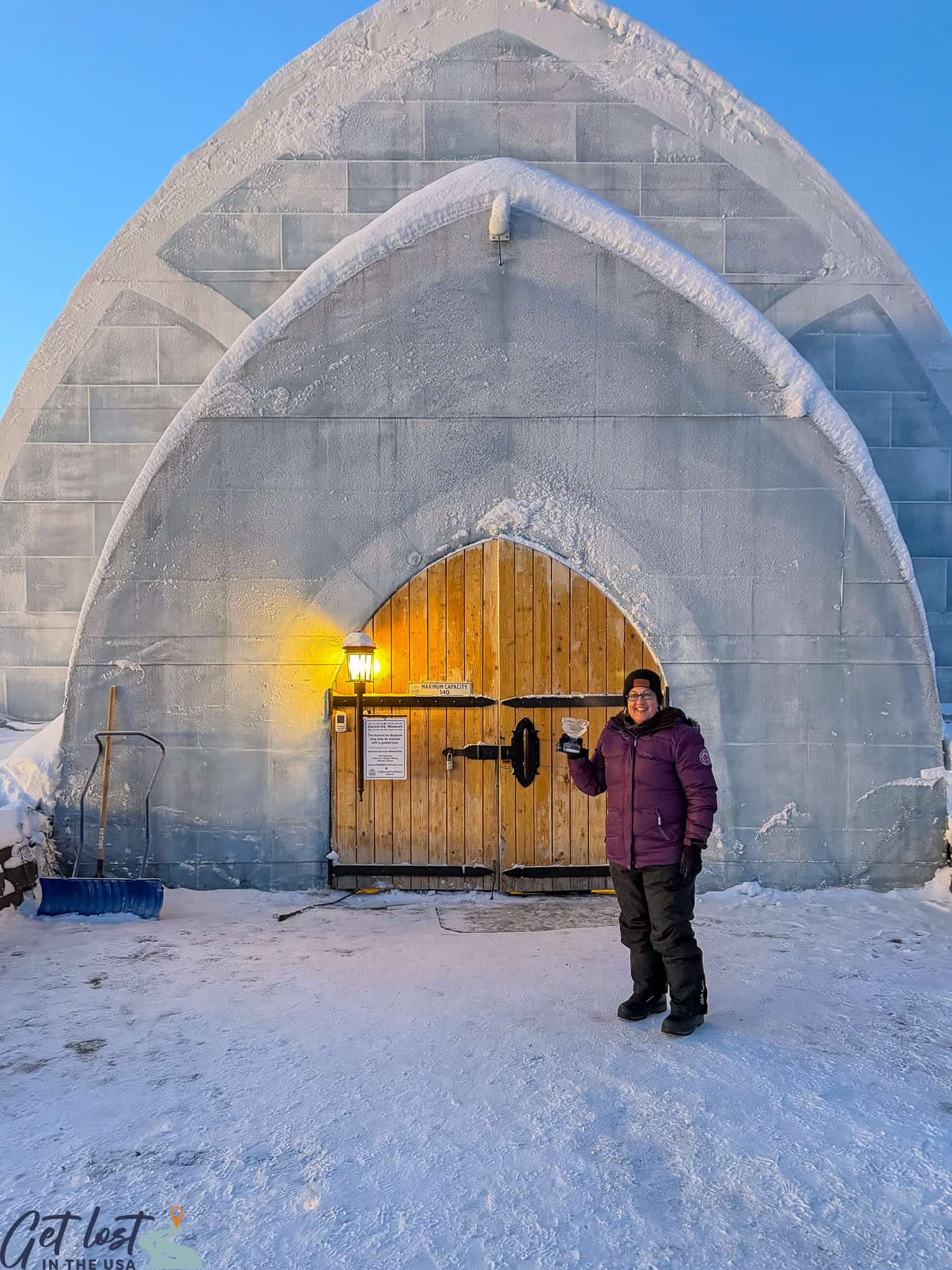
The guided tour started at the Activity Center, where my group gathered before walking over to the museum together. The museum stays a steady 25°F (-7°C) year-round, so it’s cold but manageable for the length of the 45-minute tour. They also provide complimentary parkas if you didn’t dress for a freezer.
The guided portion of the tour is brief, and then you’re able to walk around and explore the ice sculptures created by Steve Brice, a world champion ice sculptor. My favorite was the jousting match, but the ice chapel, where they hold actual weddings, was pretty spectacular too.
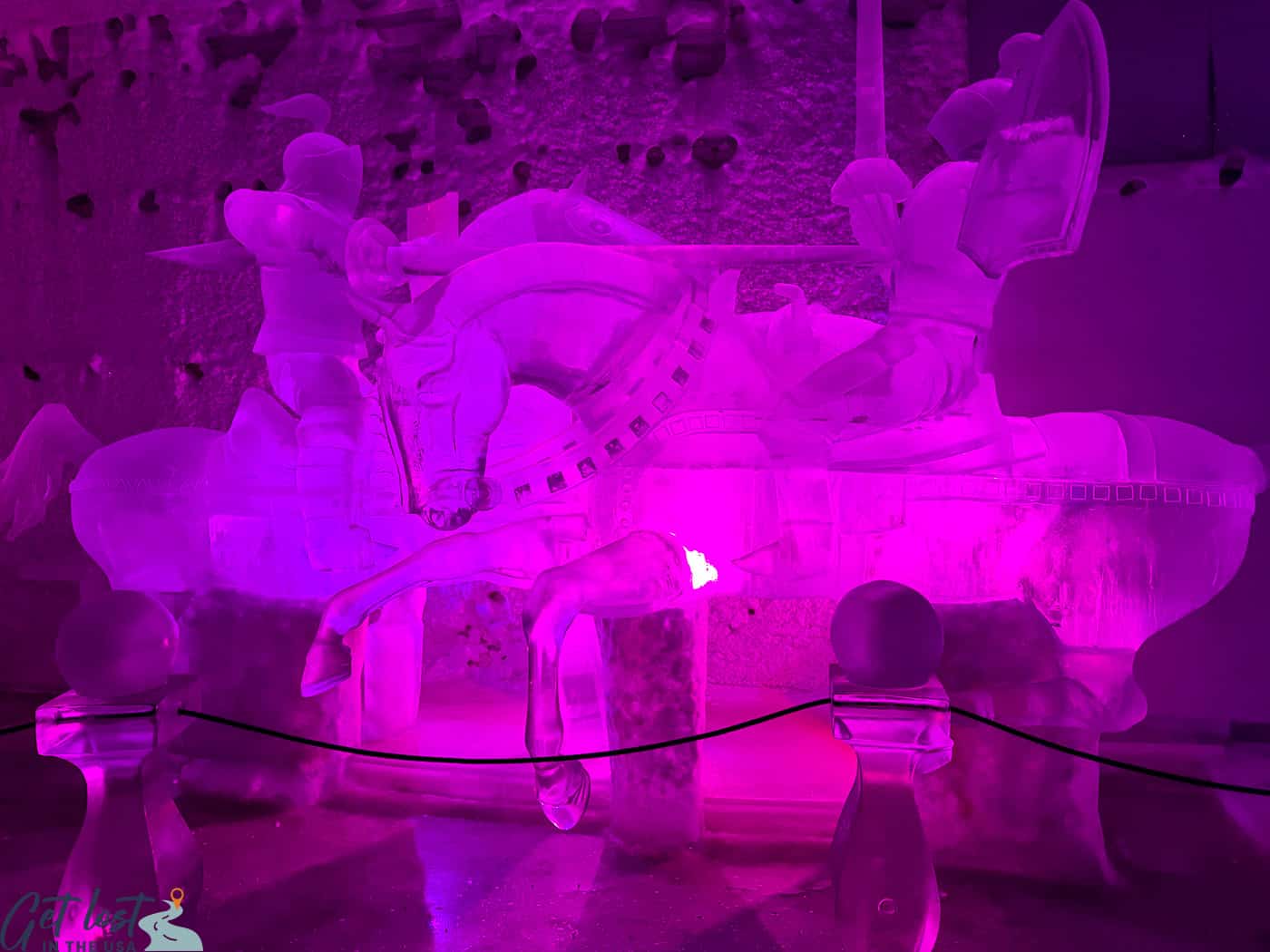
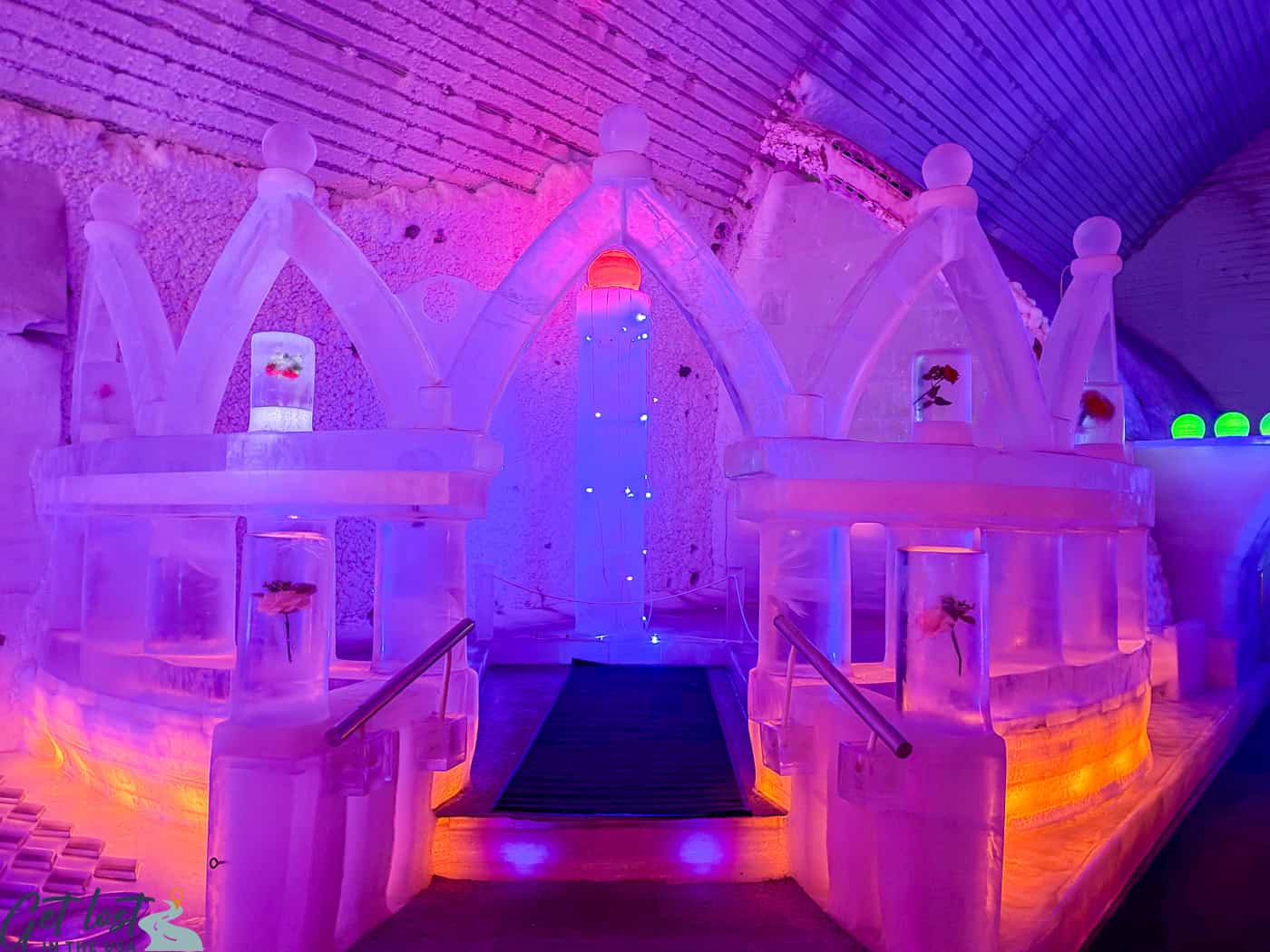
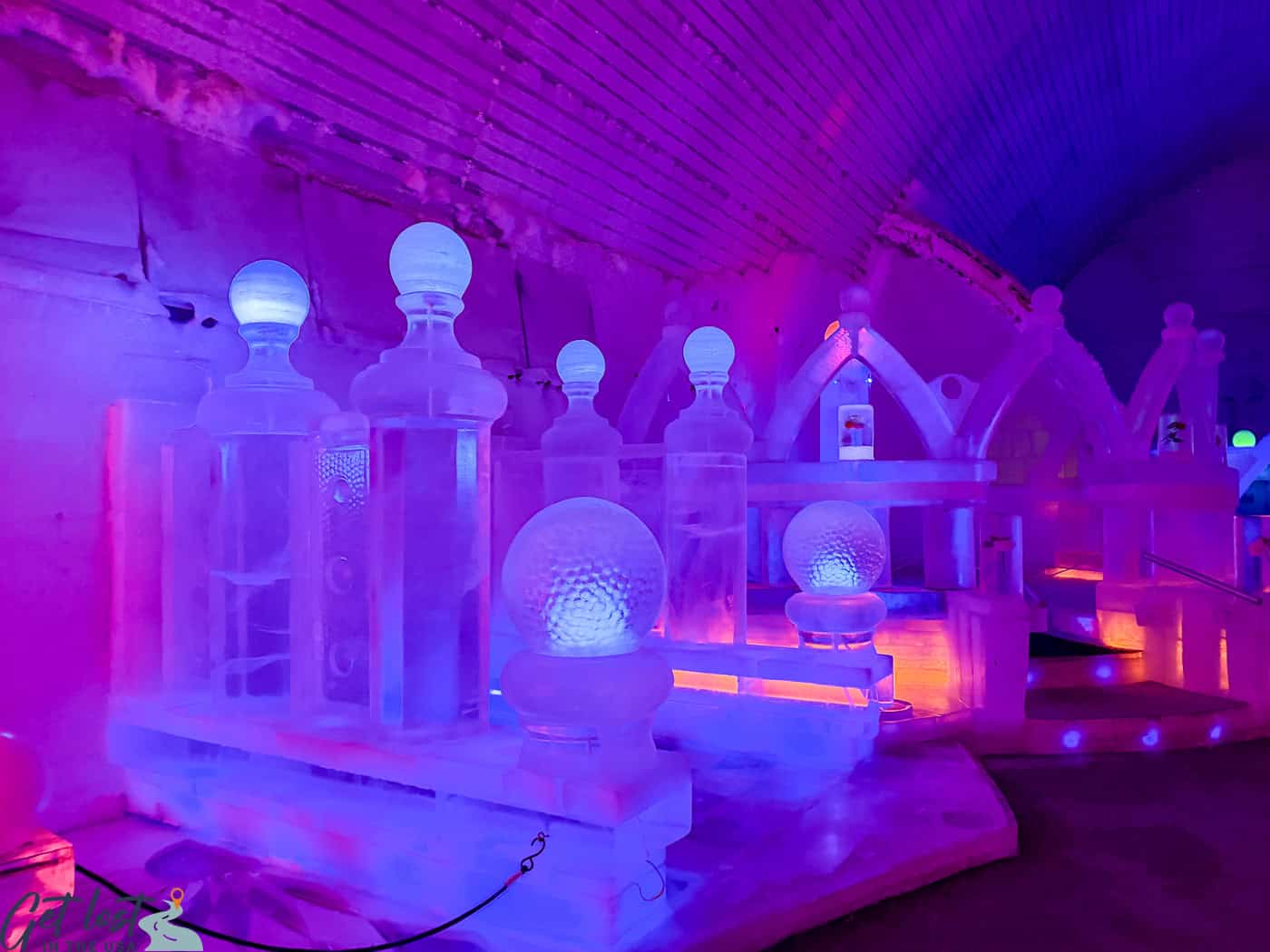
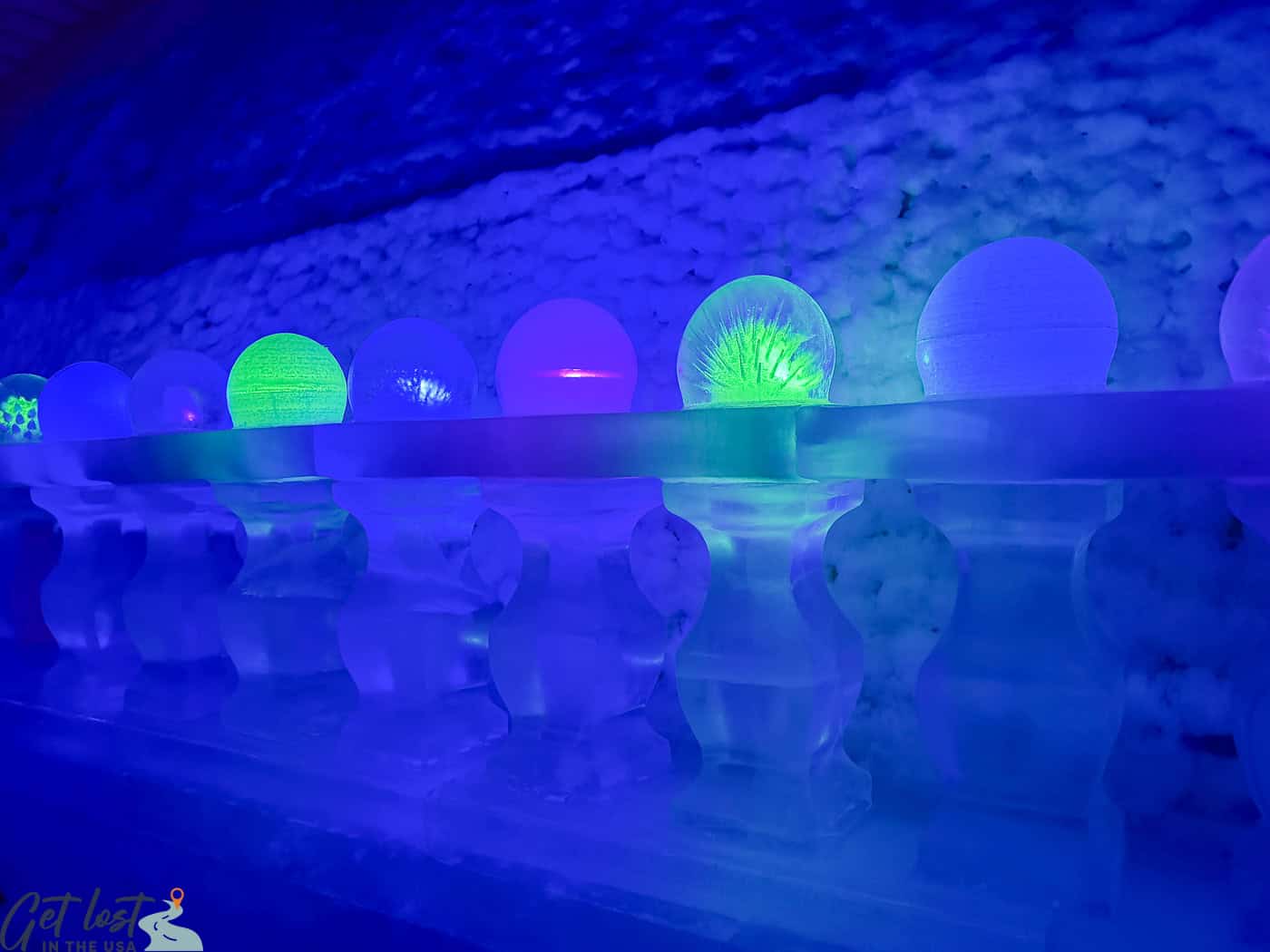
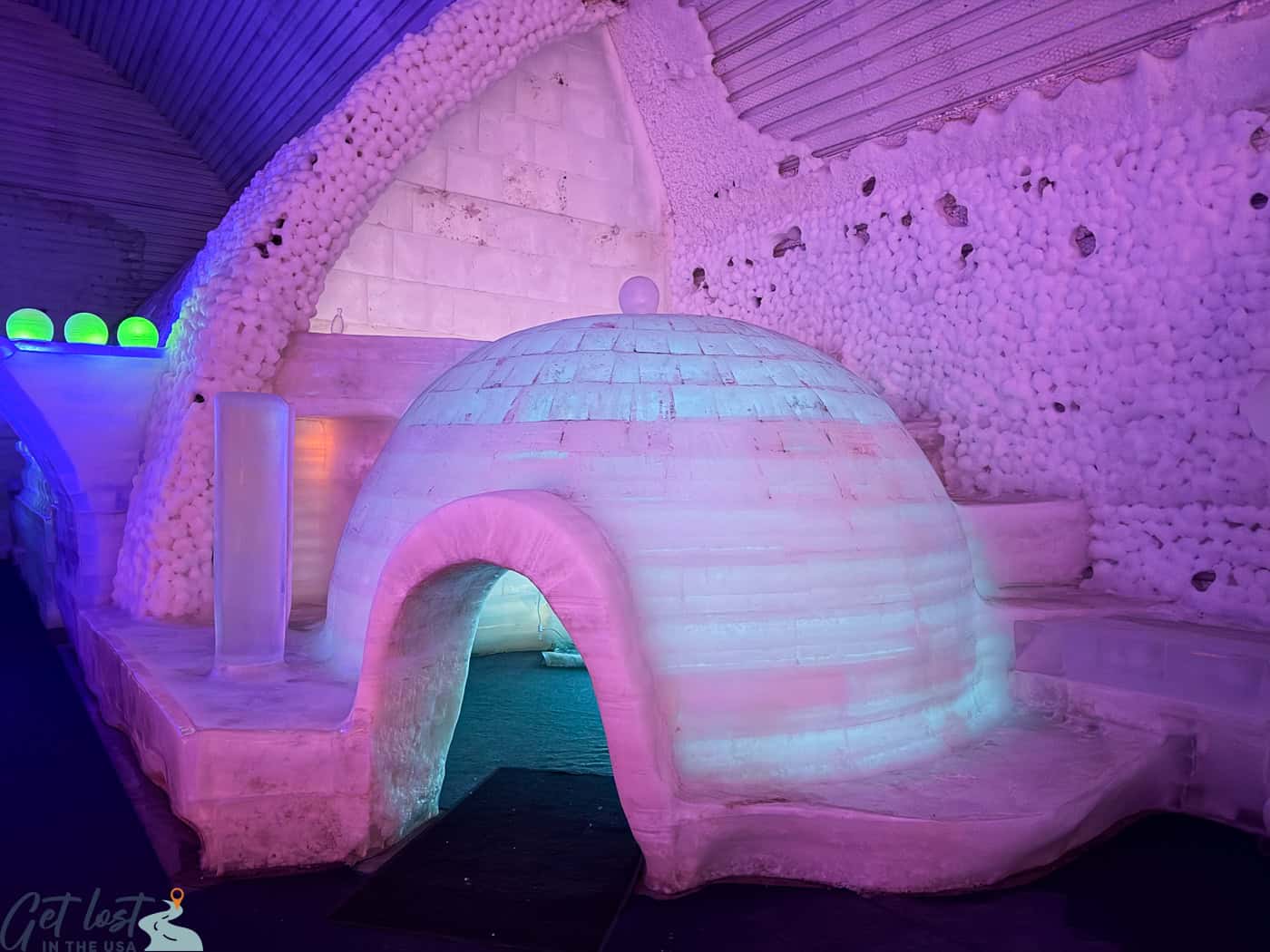
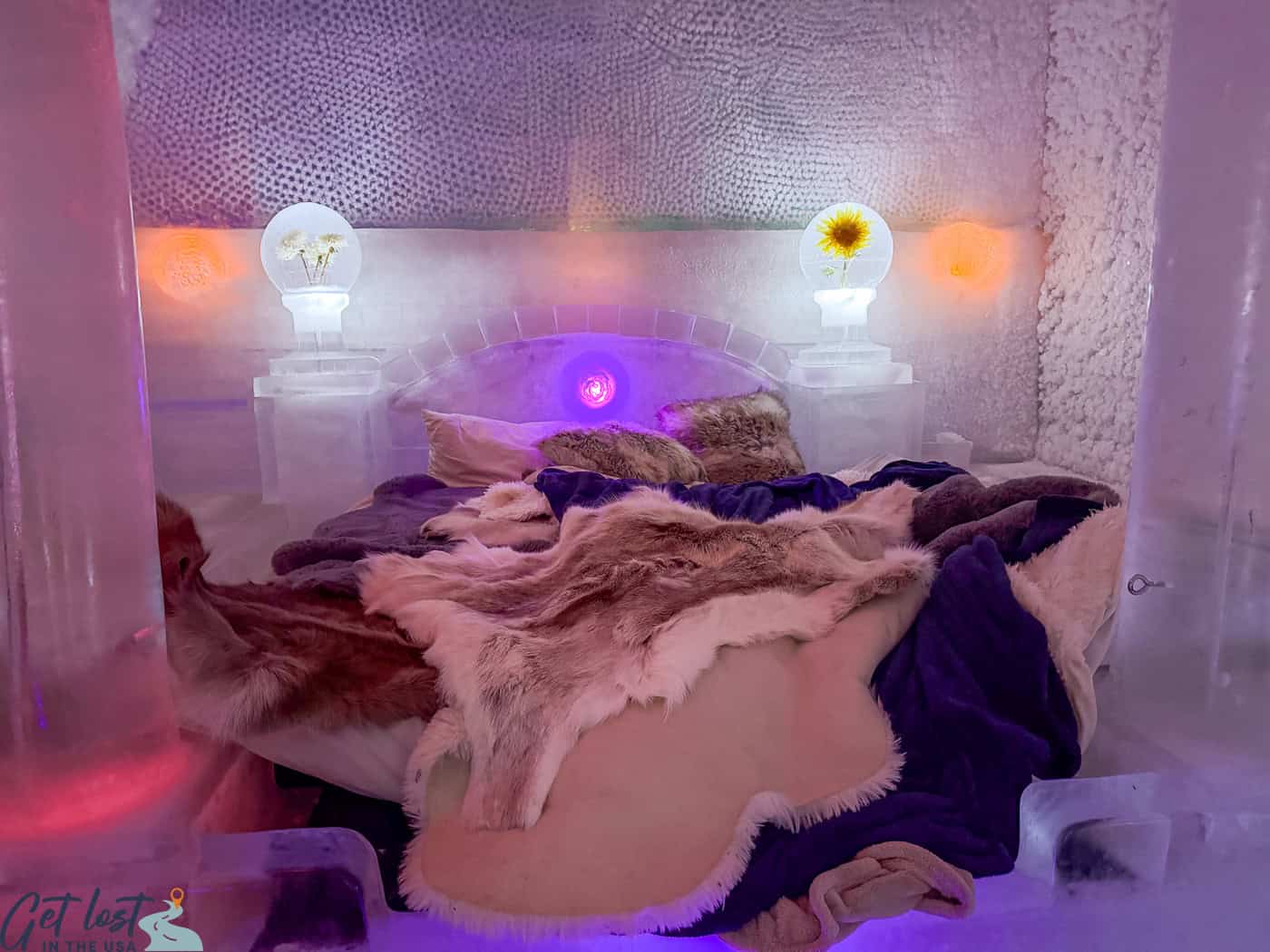
There are also a couple of “ice hotel” igloo rooms where guests can brave the freezing temperatures and spend the night. No, thank you. But the reservation does include a backup room in the Moose Lodge.
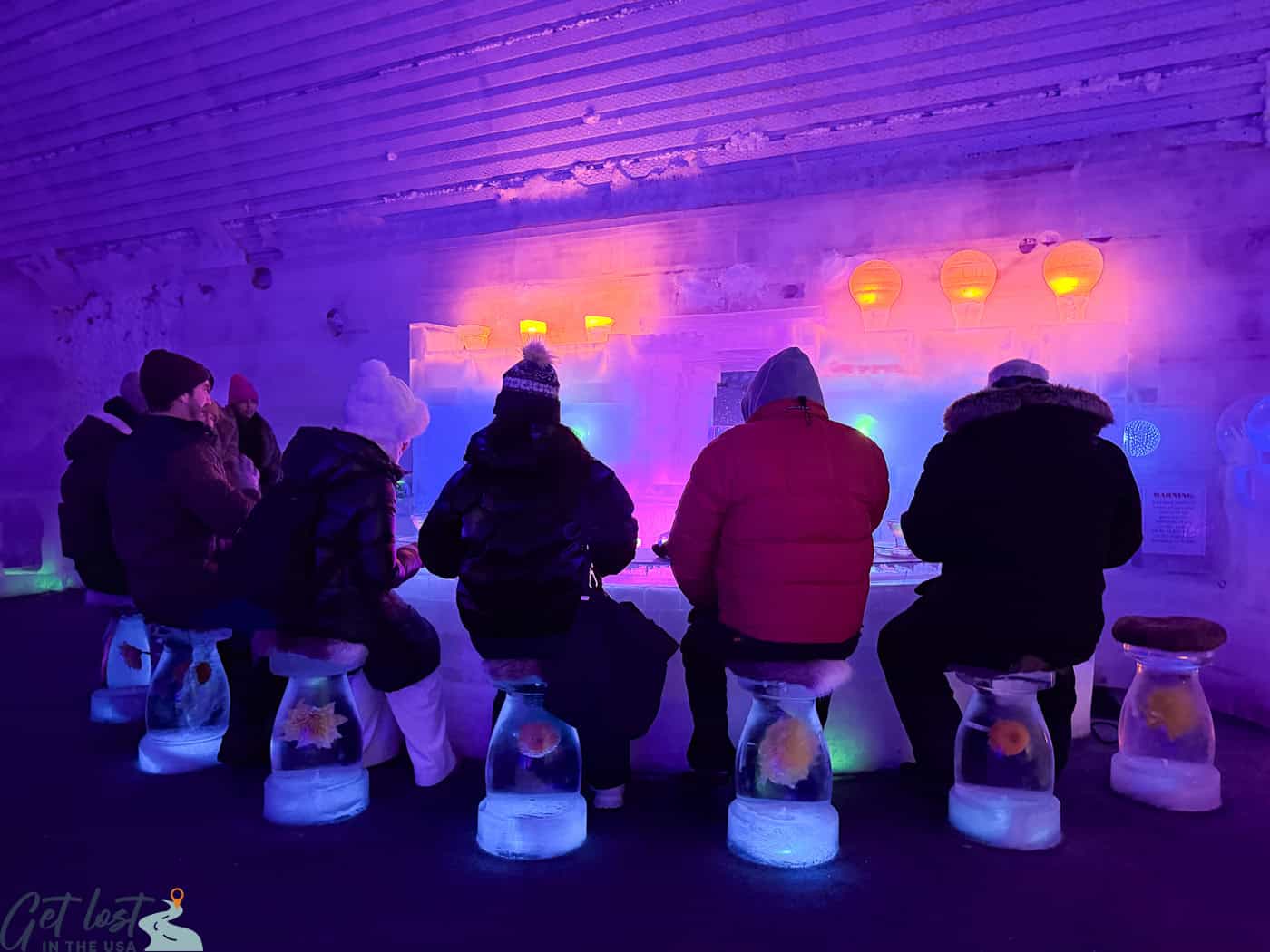
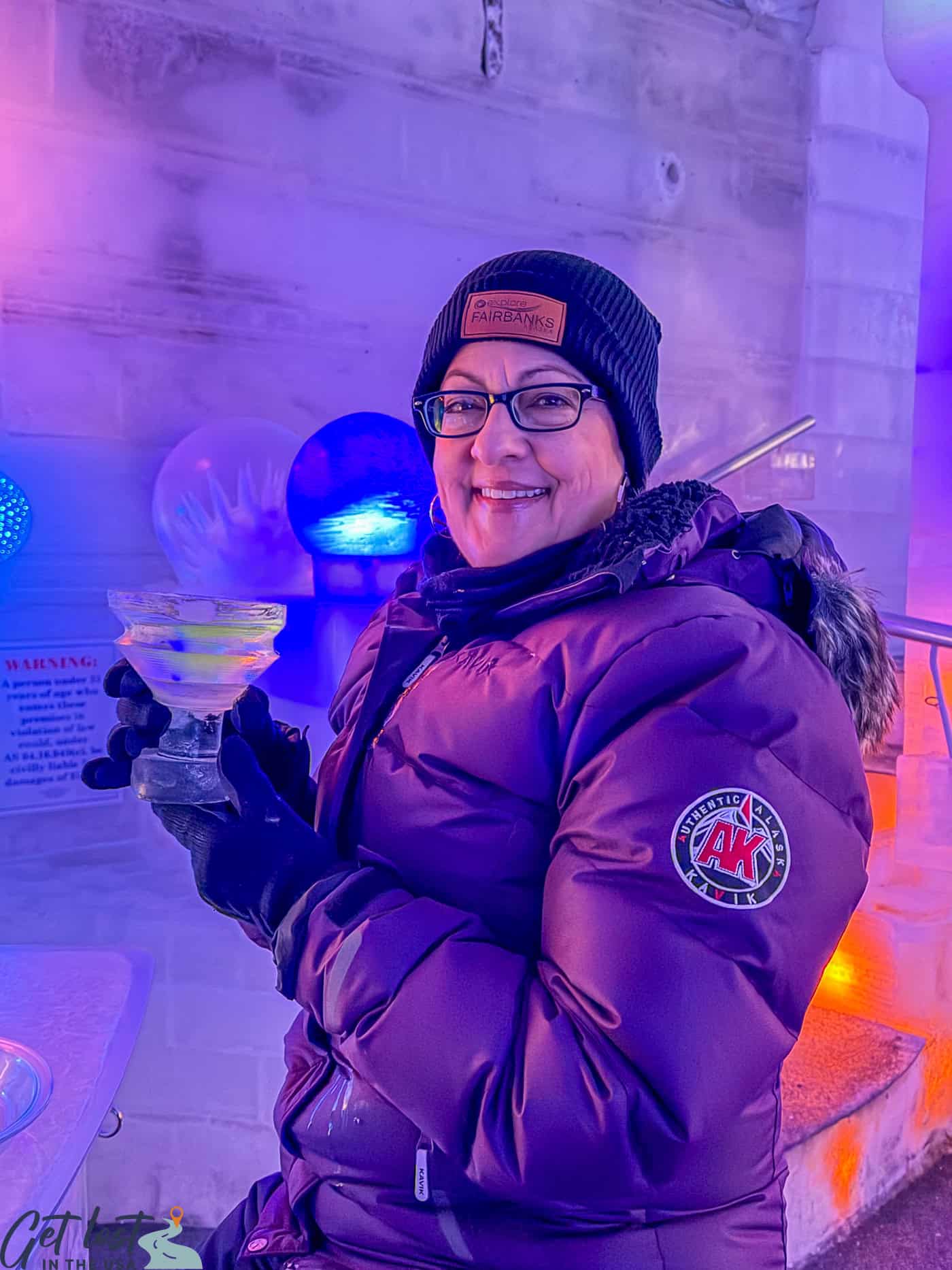
The highlight of the visit is the Ice Bar, where they serve Appletinis in carved ice glasses. It’s a pricey add-on ($20), but honestly, that was the best part of the tour, and the drink was pretty good.
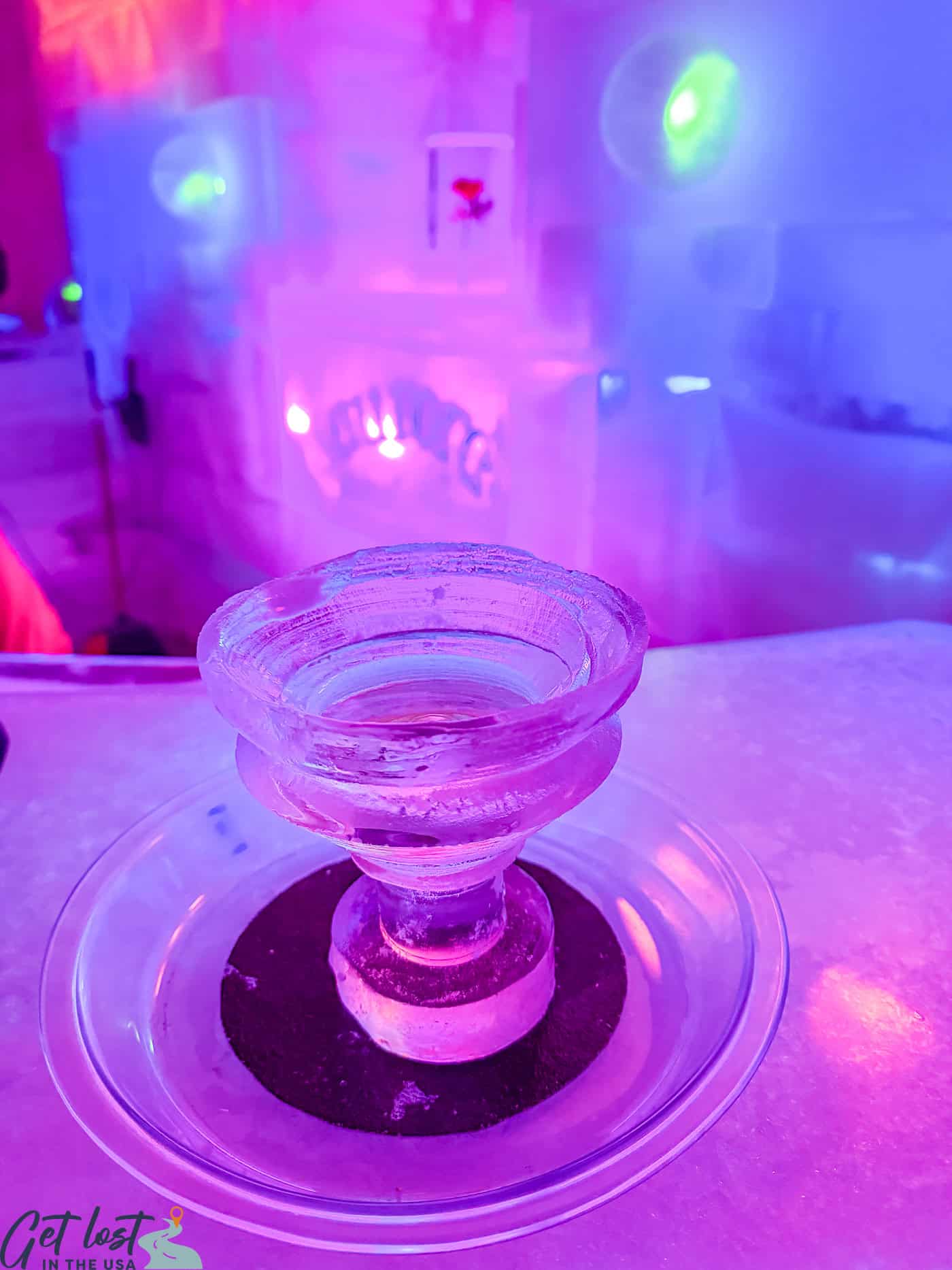
Once you finish your drink, the tradition is to take the empty glass outside, face north, make a wish, and smash it on the ground. So that’s exactly what I did!
The ice museum was fun and interesting, but not something I’d go out of my way for on its own. It’s relatively small and doesn’t take long to go through, but the ice sculptures and the experience of drinking from an ice glass made it worth adding while I was already there.
The Geothermal Greenhouse Tour
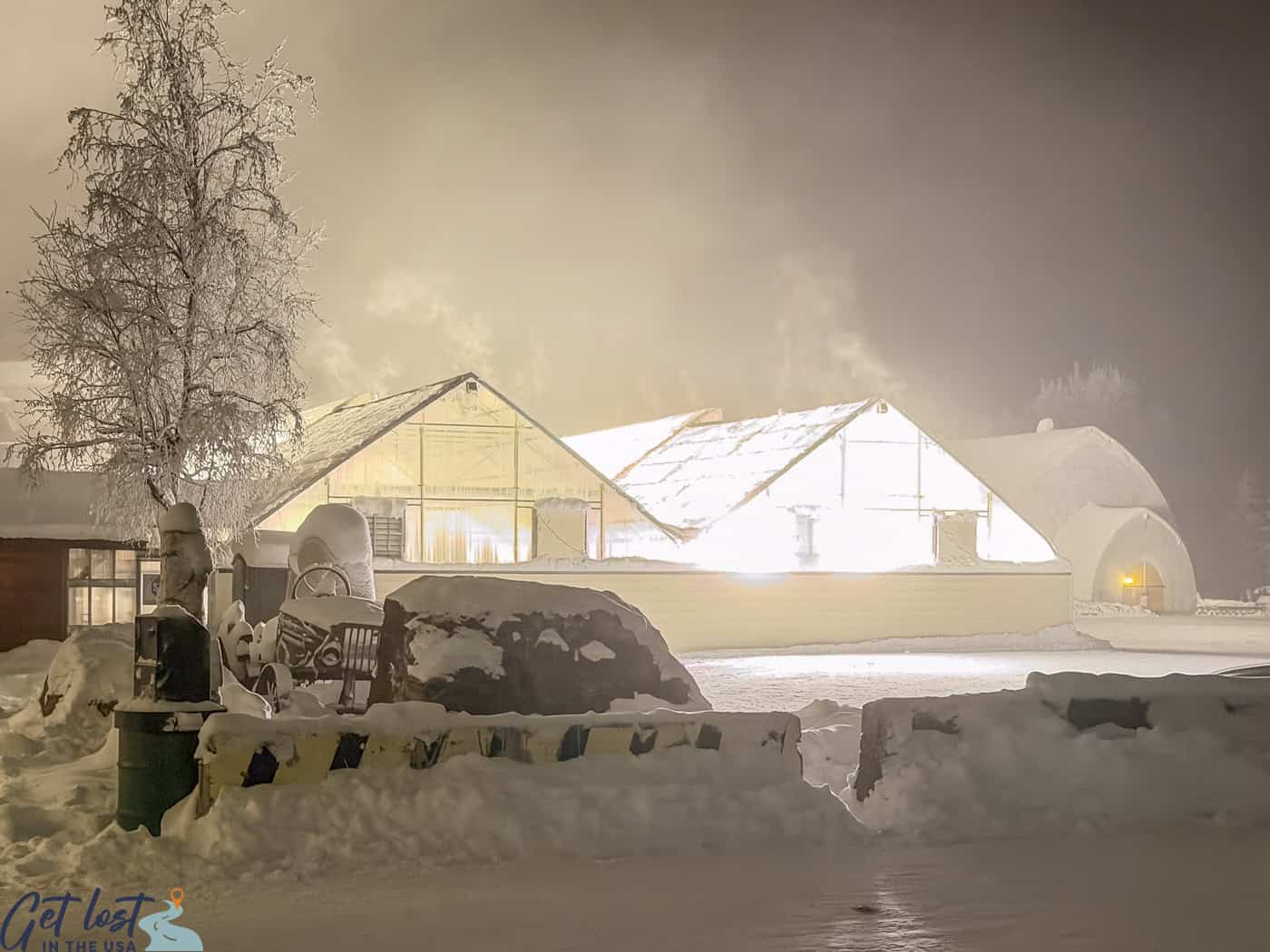
The greenhouse tour at Chena Hot Springs Resort turned out to be more informative than I expected. The tour is free, which is a nice bonus, but it runs at scheduled times, and you’ll need to sign up in advance at the Activity Center.
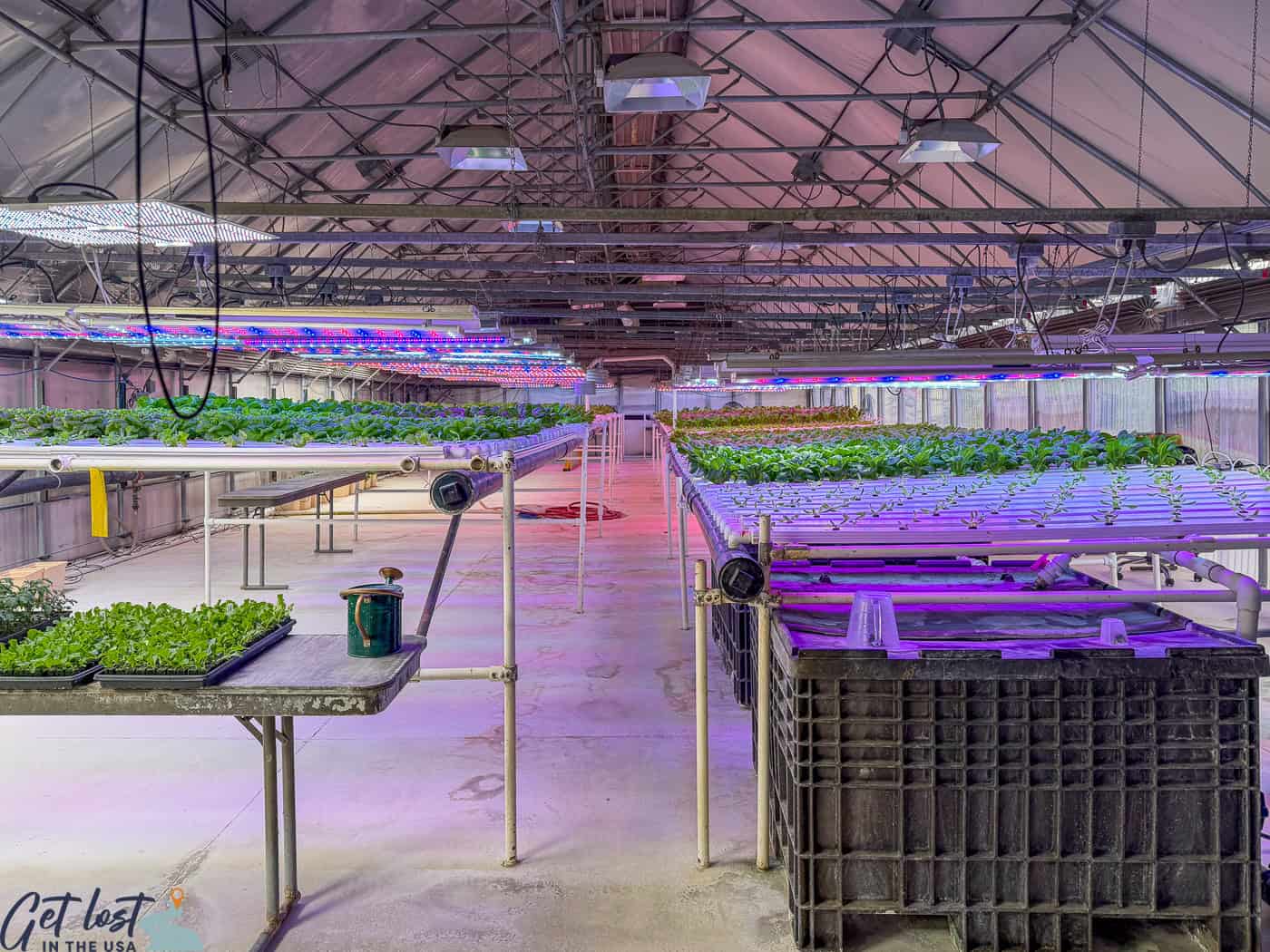
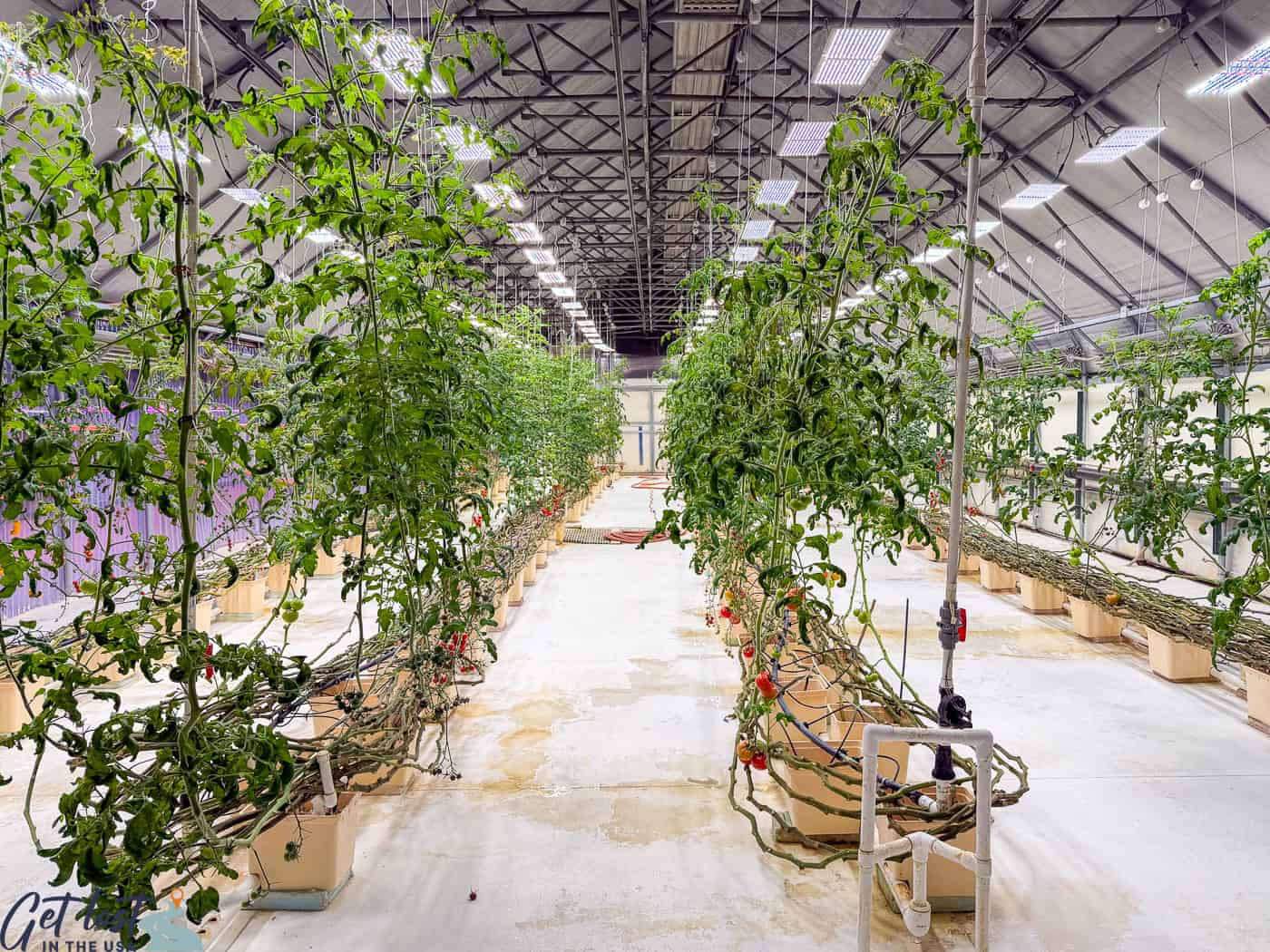
Inside, the greenhouse stays a steady 68 to 75 degrees year-round, even when it’s well below zero outside. Everything in the greenhouse is grown without soil, using hydroponic and soilless systems. I got to see rows of lettuce in different stages of growth, along with the setup for tomatoes and other produce that’s used in the resort’s restaurant. It’s very much a working greenhouse, not just something built for show.
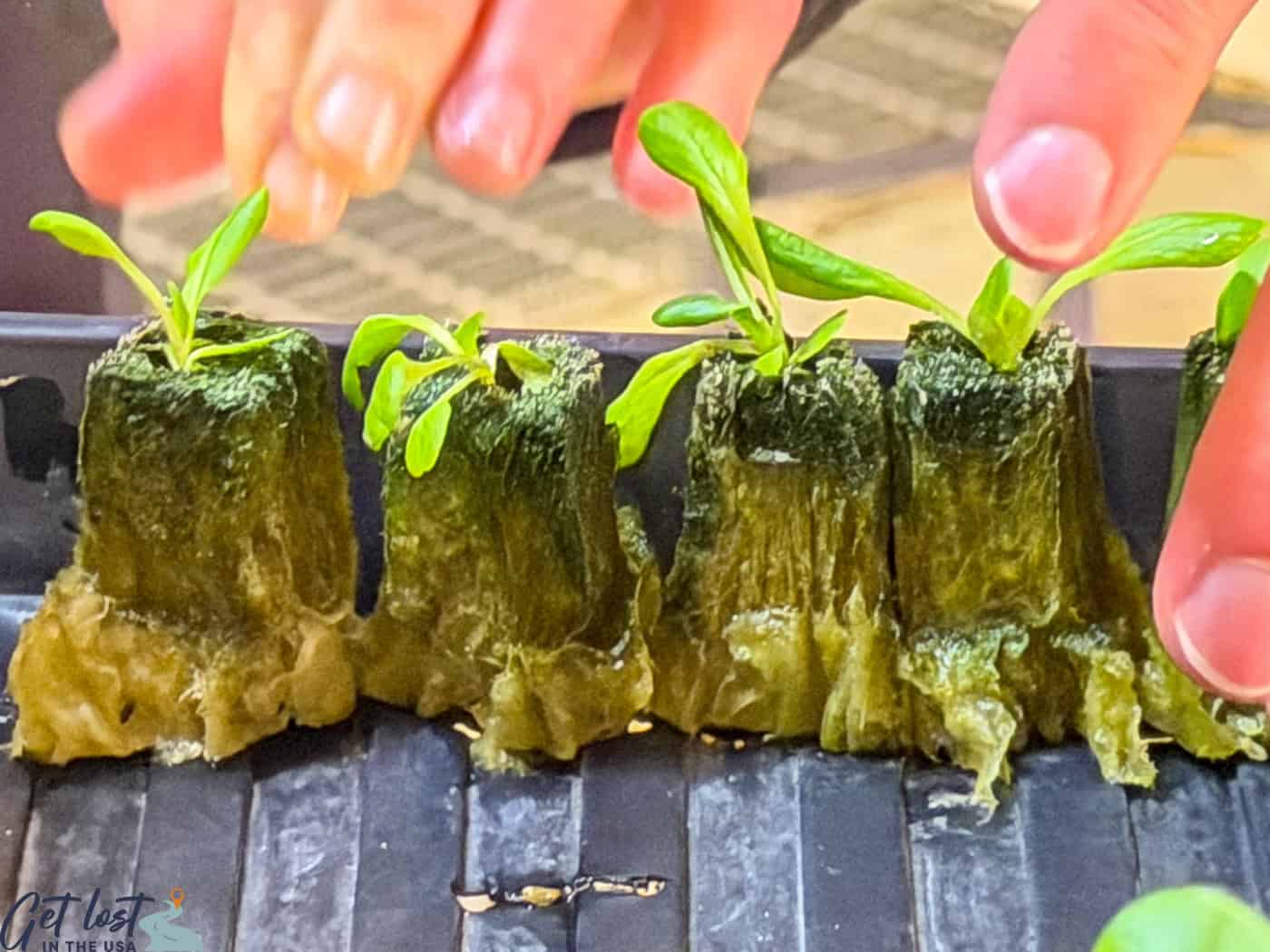
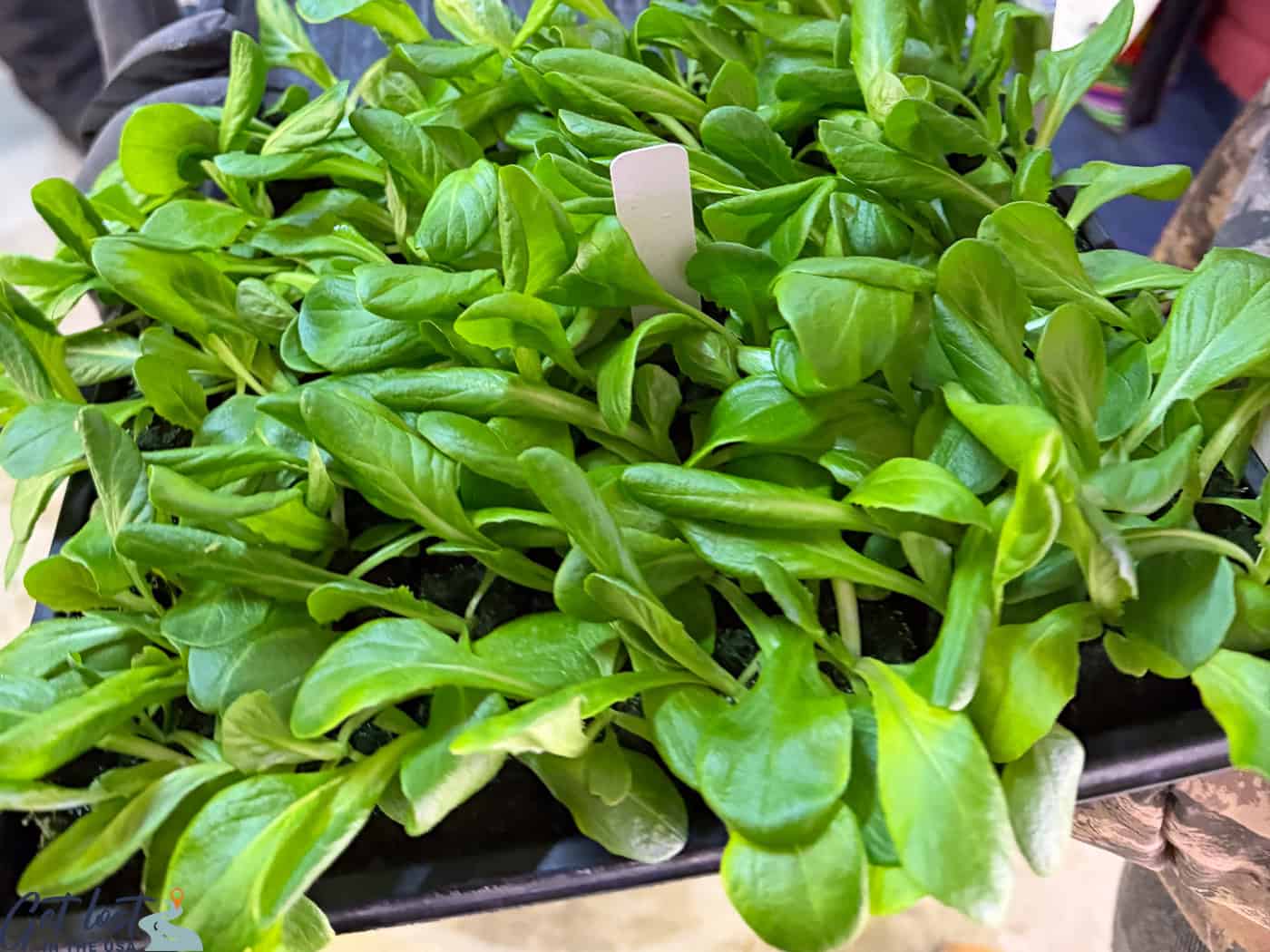
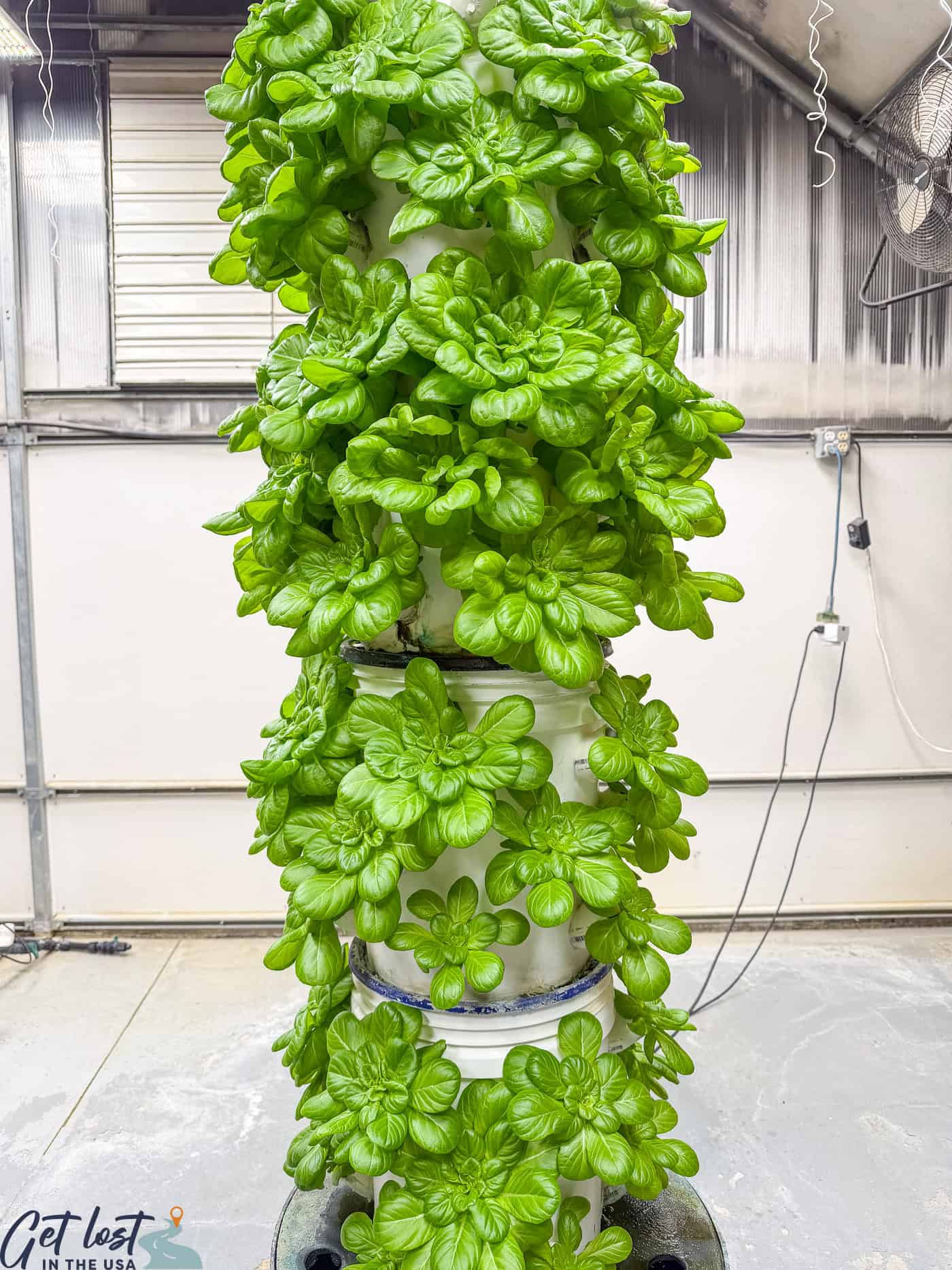
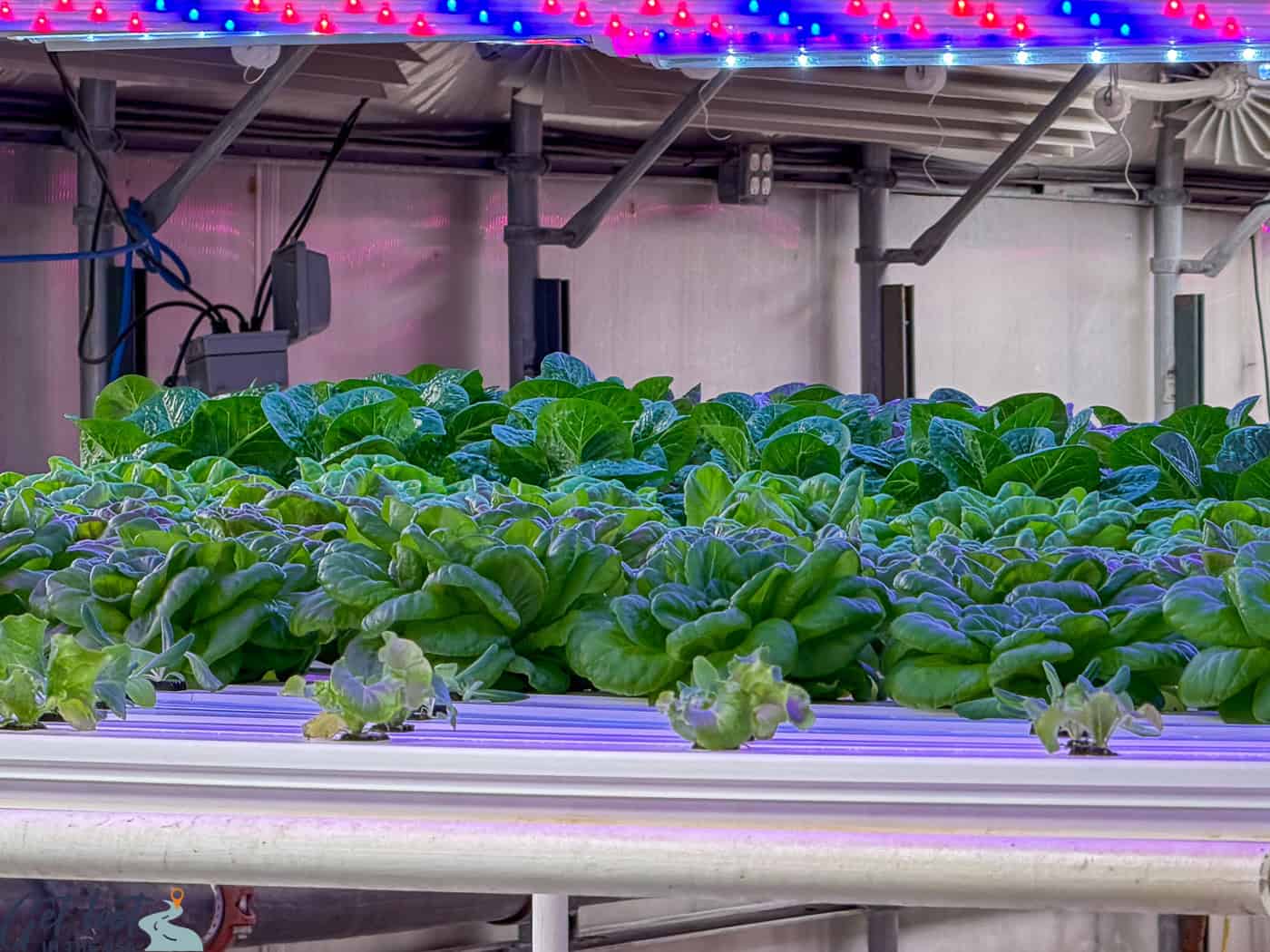
The tour also connects it back to the bigger picture of how the entire resort operates. Much of Chena Hot Springs Resort is powered by its own geothermal energy system, which taps into hot water deep underground. That energy is used not just to heat buildings like the greenhouse, but also to generate electricity for the property, allowing it to operate largely off-grid.
That said, the delivery of the tour itself was a little unusual. The guide read most of it straight from a script, which made it feel more like a presentation than a conversation. It didn’t take away from what I saw, but it was noticeable.
Even with that, I’d still recommend doing it. It’s a quick tour, but it gives you a behind-the-scenes look at how the resort operates and how they’re growing fresh food in a place where that shouldn’t really be possible.
Staying Overnight at Chena Hot Springs
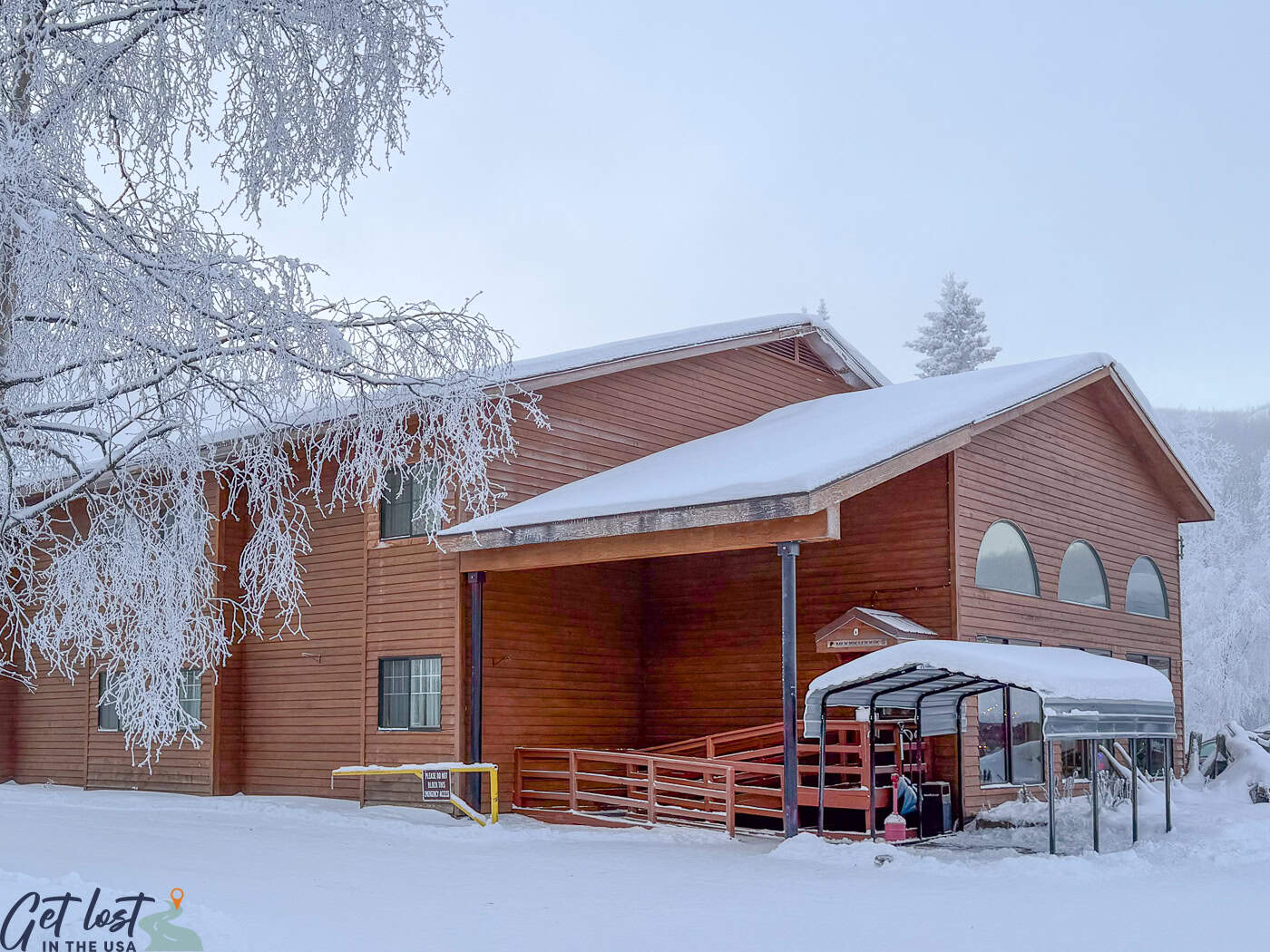
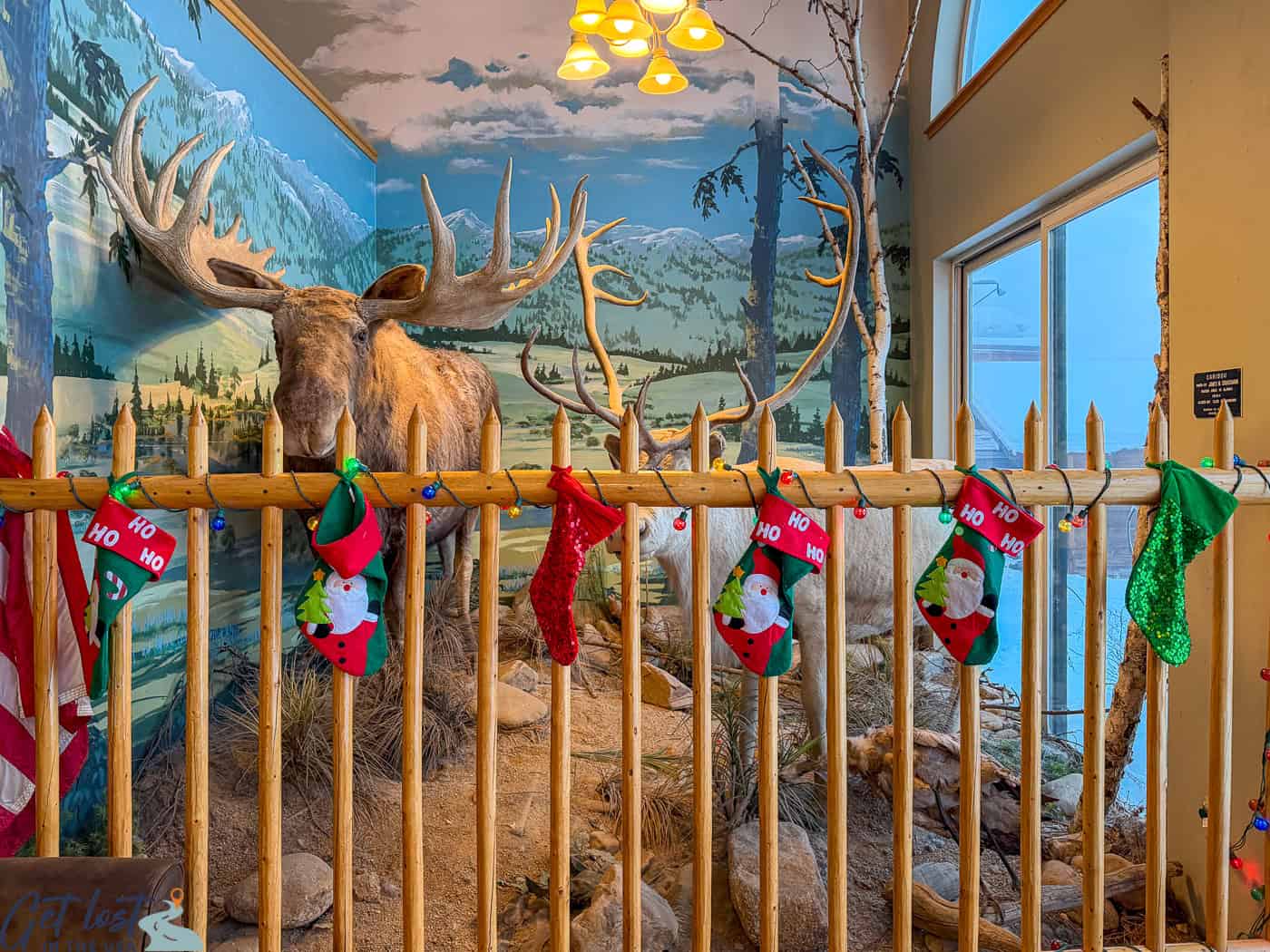
Overnight accommodations range from lodge rooms to cabins, suites, and yurts. I stayed in the Moose Lodge next to the main lodge and had to chuckle at the moose display in the lobby when I walked in.
I found the room simple and dated, but the convenience was the primary draw for me. I appreciated being able to pop in for quick warm-ups between activities, and a solid perk of staying overnight is that the room includes a pass to the Chena Hot Springs pool. Since the Northern Lights tour ended in the middle of the night, not having to drive back to Fairbanks was a huge benefit.
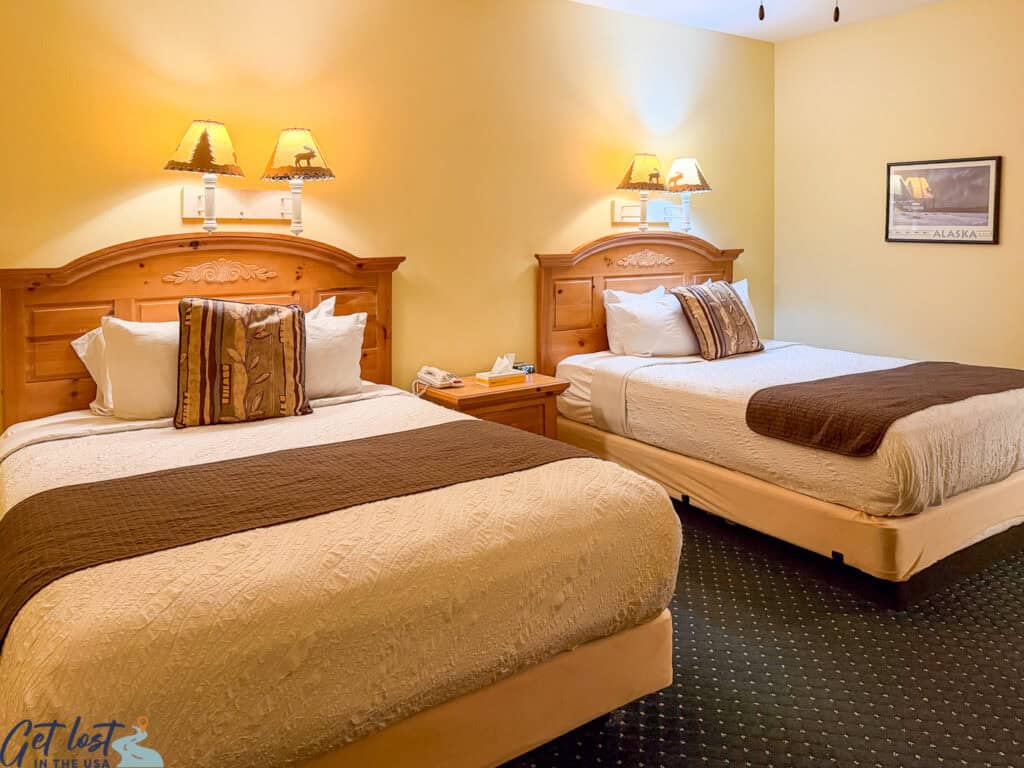
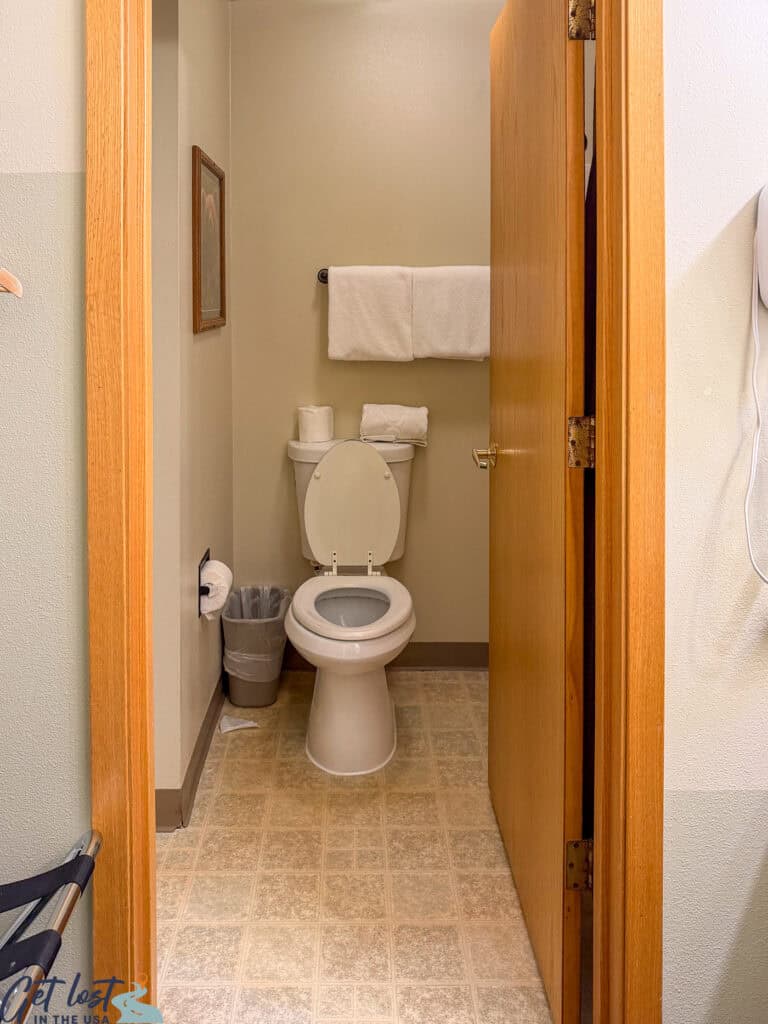
My room in the Moose Lodge had two queen beds and a full bath. The bathroom was tiny, and the vanity was located outside in the main room. I also noticed the lodge has heated floors, which felt great in the bathroom. The bed was comfortable, and the lodge stayed quiet during my stay, though I didn’t get back to the room until 2:30 a.m. and can’t speak to the noise levels earlier in the night. The room stayed very warm, but I used the ceiling fan to balance the temperature.
Pro tip: The water at Chena Hot Springs has a slight sulfur taste, so I recommend bringing bottled water for the room.
Dining at the Resort Restaurant
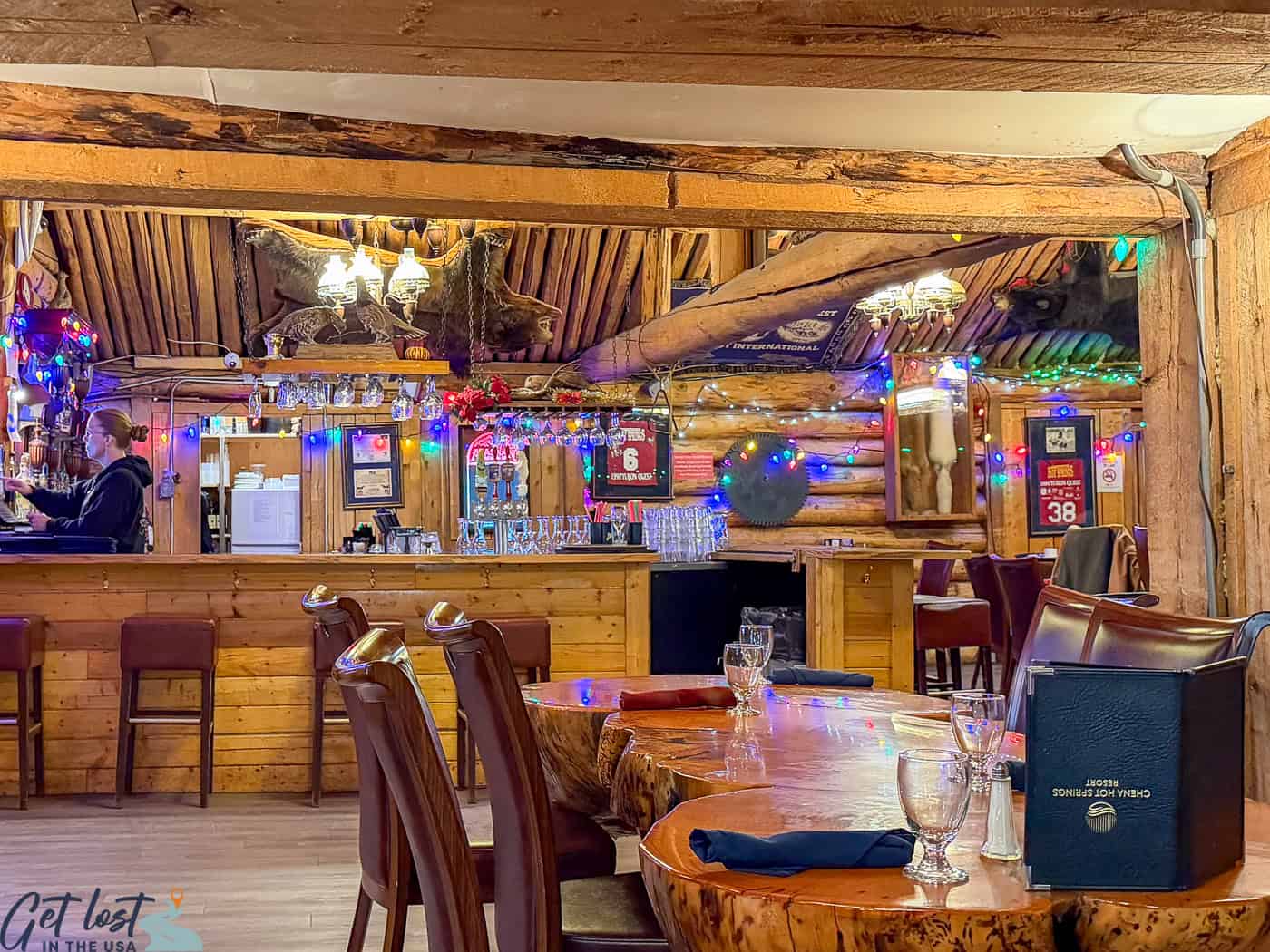
The restaurant is inside the main lodge and has a casual, lodge-style setup, and during my visit, I saw a steady flow of people coming in to warm up and grab a meal between activities.
I was most excited to try the tomato basil soup since it’s made with tomatoes grown in their on-site geothermal greenhouse.
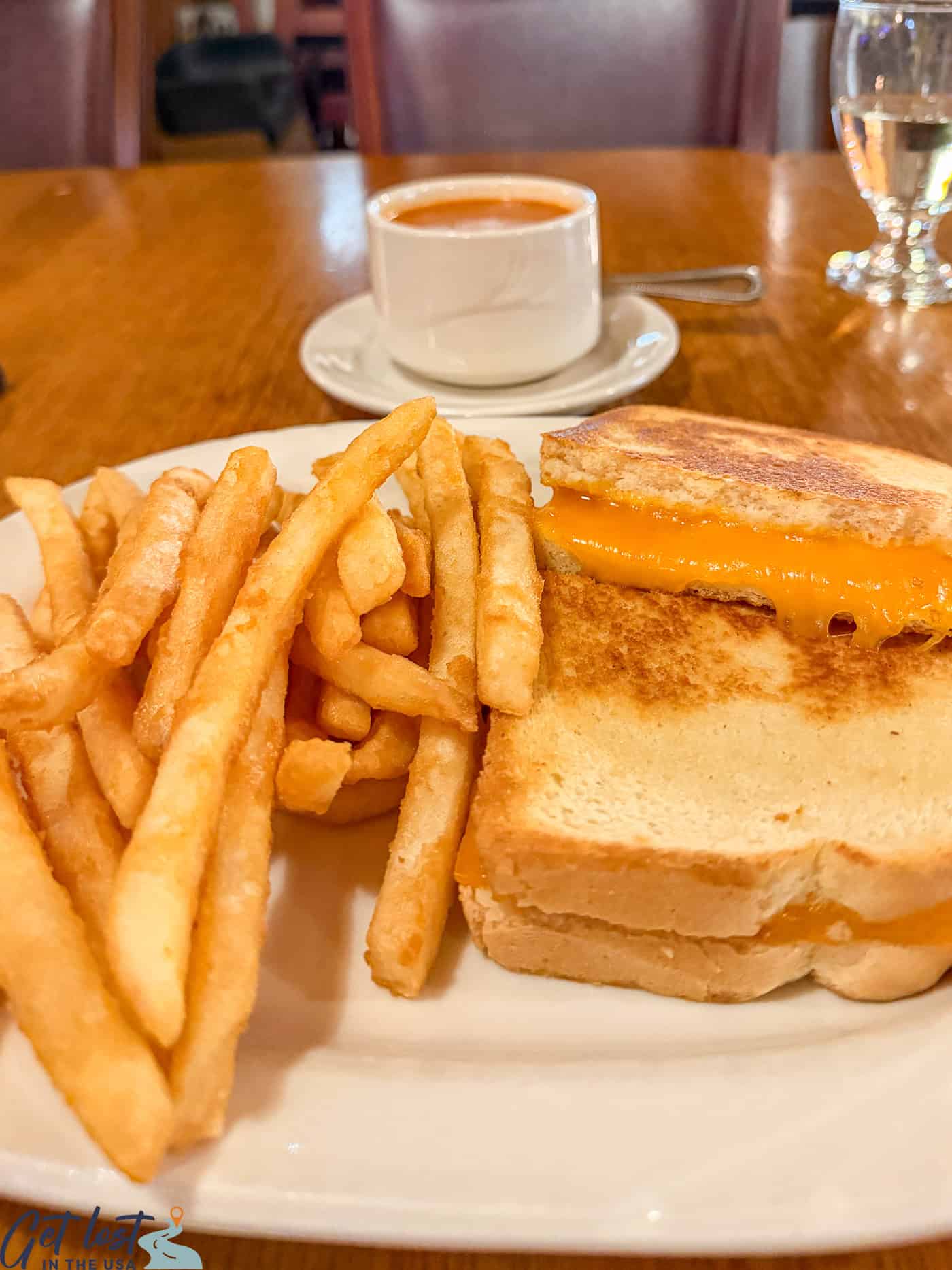
I ordered it with ooey-gooey grilled cheese, and it was the perfect winter comfort-food meal. The soup was rich and flavorful, and knowing the tomatoes were grown right on-site made it even better.
Is Chena Hot Springs Worth It?
I stayed overnight, and that ended up being the best way to experience everything the resort has to offer. Having the time to see it all without rushing made a big difference, and not having to drive back to Fairbanks in the middle of the night was a huge plus.
The hot springs were the highlight for me. Sitting in the water when it was well below zero outside was a pretty unique experience, especially with the steam rising off the surface.
The northern lights tour meant I didn’t have to think about logistics and could just focus on watching the sky, but it’s a set schedule, so you’re up there for the full time even on a low-activity night.
I also found the ice museum and greenhouse worth adding on.
This is where expectations matter. I wouldn’t choose Chena if you’re looking for a luxury stay. My room was basic, and parts of the property felt dated. But if you want hot springs, activities, dining, and a guided aurora tour all in one place, the convenience is what makes it work.
What To Know Before You Go
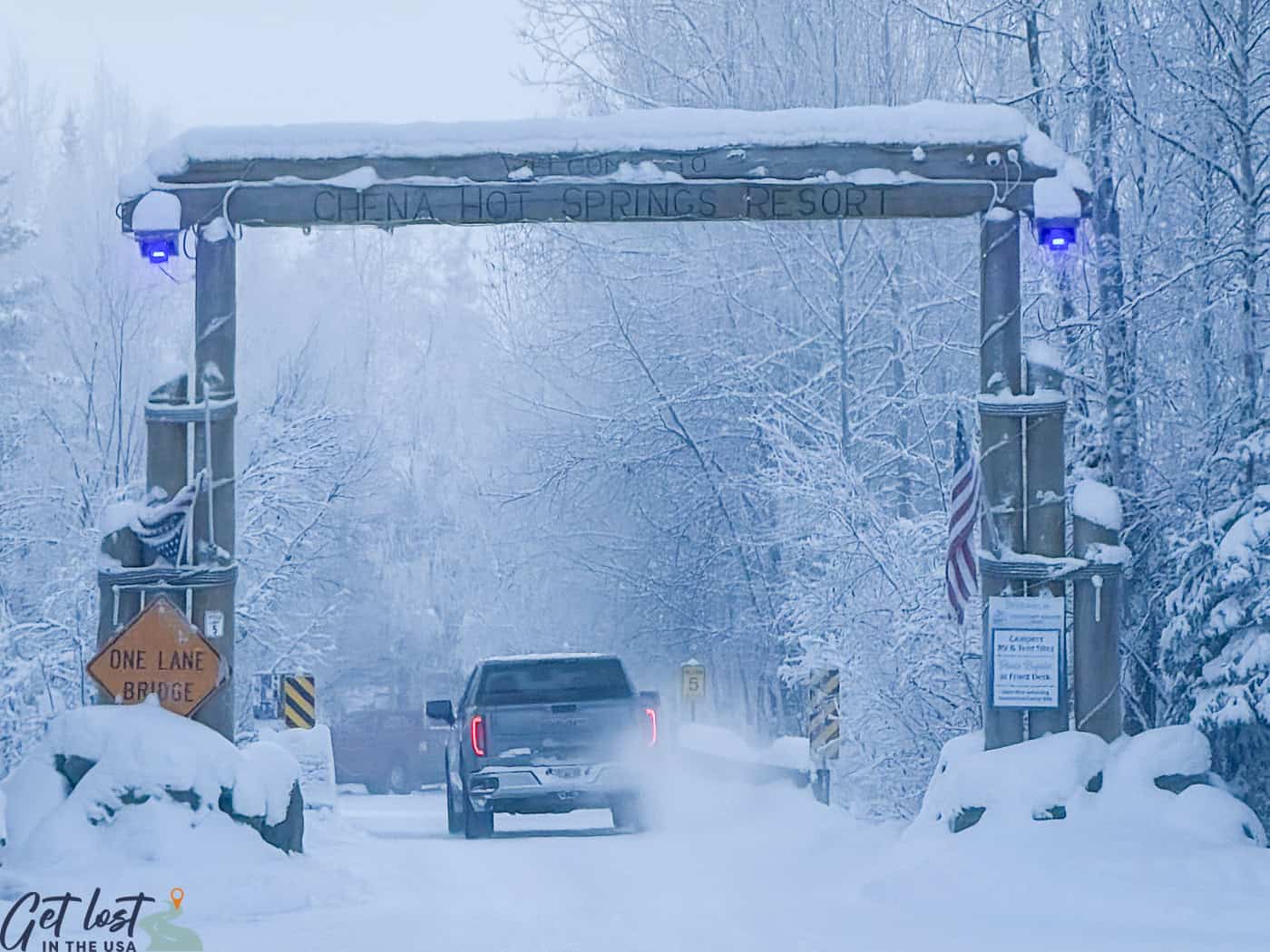
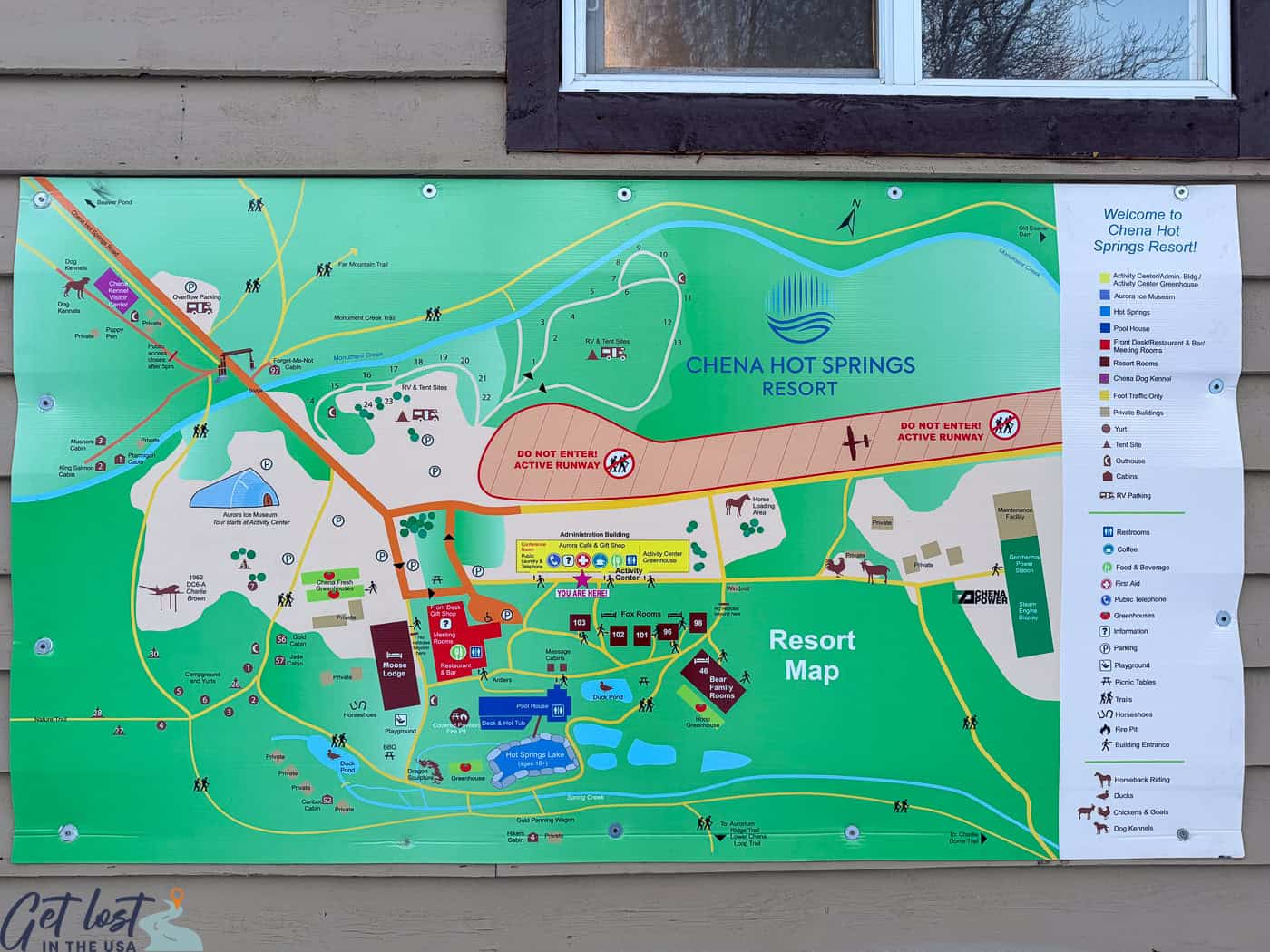
- Getting there: Chena Hot Springs is about a 60-mile drive from Fairbanks, and winter conditions can slow you down. If you don’t want to drive, the resort shuttle runs about $180 round-trip per person.
- Costs add up quickly: A day pass for the hot springs is around $20, the Aurora Ice Museum tour is about $20, and the signature appletini is another $20. Most activities are separate add-ons.
- Book ahead: Reserve activities in advance during busy seasons so you get the times you want.
- What to bring for the hot springs: a swimsuit, flip-flops or water shoes, and a towel. The rock lake has a gravel bottom, so water shoes can make it more comfortable, while flip flops are useful for walking around the locker room. You can rent a towel on-site for $5, but they’re pretty thin, so I’d bring your own if you can. Lockers cost $0.50, so bring a few quarters.
- Cell service & Wi-Fi: Cell service is limited, and Wi-Fi isn’t always reliable.
- Winter conditions: You’ll be walking between buildings in freezing temperatures, even for short distances, and most of the time in low light or darkness.
- Day trip vs overnight: You can visit for the day, but staying overnight makes a big difference. It gives you time to do everything without rushing and makes the late-night northern lights tour much easier since you don’t have to drive back to Fairbanks in the middle of the night.
- How to plan your time:
- Half-day: hot springs + one activity
- Full day: add the ice museum, greenhouse tour, and dinner
- Overnight: the most convenient way to experience everything
- Comparing aurora options: If you’re looking at different ways to see the northern lights, Aurora Pointe is a simpler, low-effort setup, while Borealis Basecamp offers a more immersive overnight experience.
Quick takeaway: Staying overnight made the biggest difference for me, especially for the northern lights tour.



Leave A Reply!