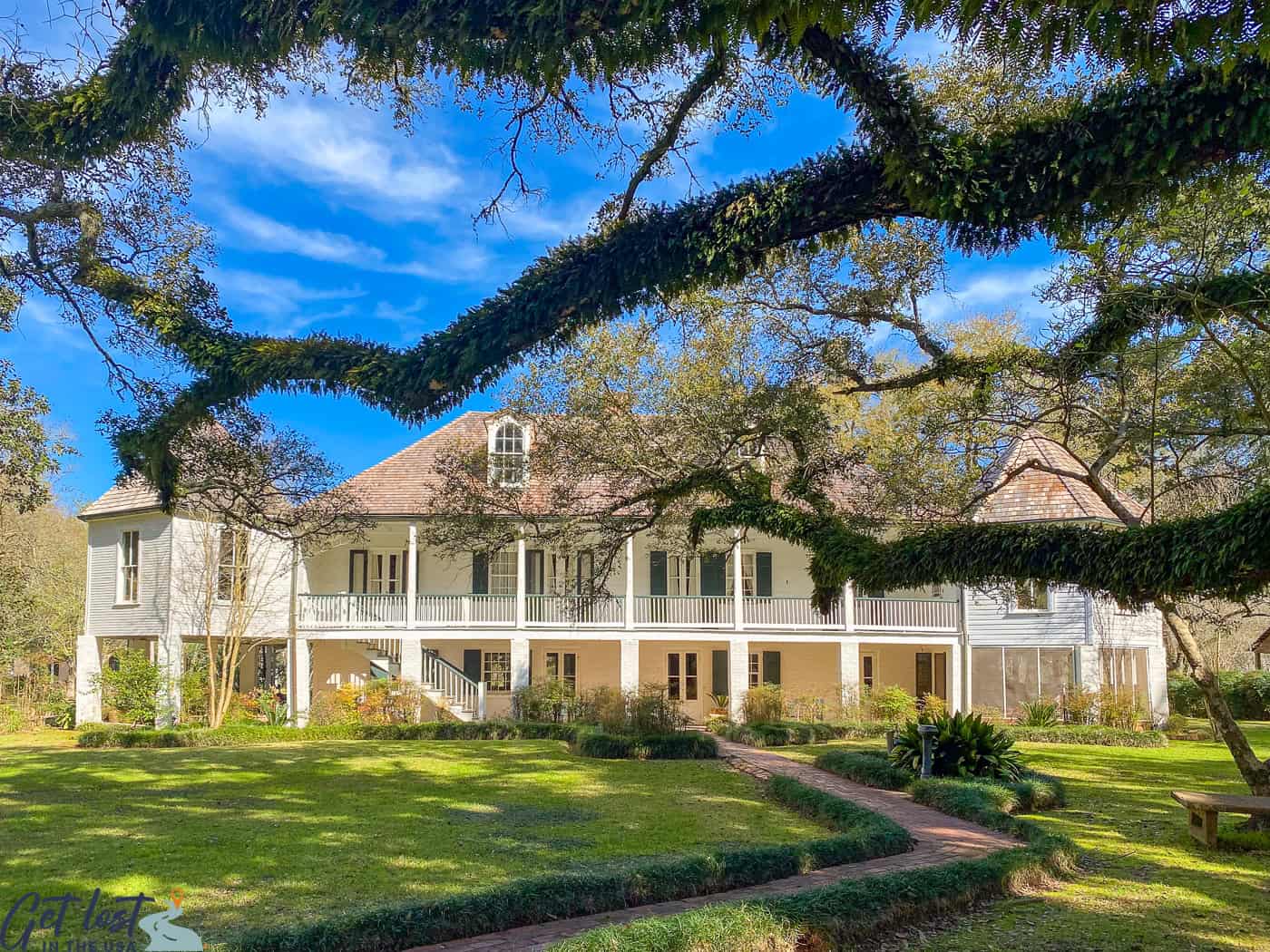
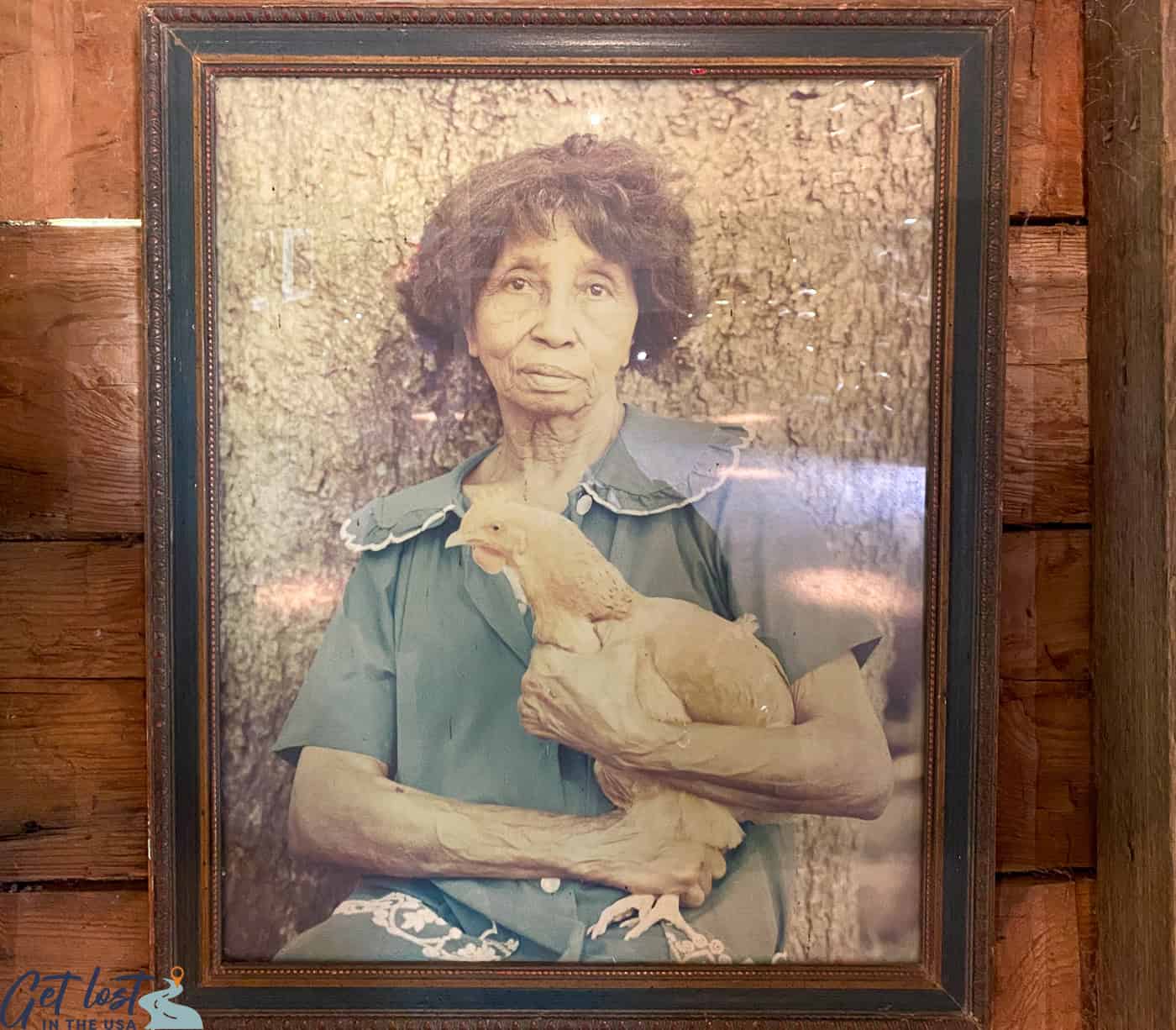
Melrose on the Cane, formerly known as Melrose Plantation, was established by the Métoyer family, free people of color who helped shape Louisiana’s Cane River Creole community. It later became a nationally known artists’ colony and the home of celebrated folk artist Clementine Hunter.
Today, you can see Clementine Hunter’s murals in the African House, tour the historic buildings, and learn about the people who shaped Melrose over more than two centuries.
Melrose At A Glance
- Location: Melrose, Louisiana, about 20 minutes south of Natchitoches
- Plan for: About 1.5 to 2 hours
- Tours: Self-guided or guided. Guided tours include access to the Big House and the African House second-floor murals.
- Highlights: The African House murals, the Big House, the Yucca House, Clementine Hunter’s cabin, and the guide’s fascinating stories.
- Good to know: After the guided tour, you can explore the rest of the grounds at your own pace.
I’ve toured Melrose twice, and I’m glad I did. The first tour focused more on the history, while the second leaned into the people and the stories connected to the property. That’s the nice thing about visiting more than once. Each guide tells the story a little differently, so no two tours feel exactly the same.
How Melrose Began
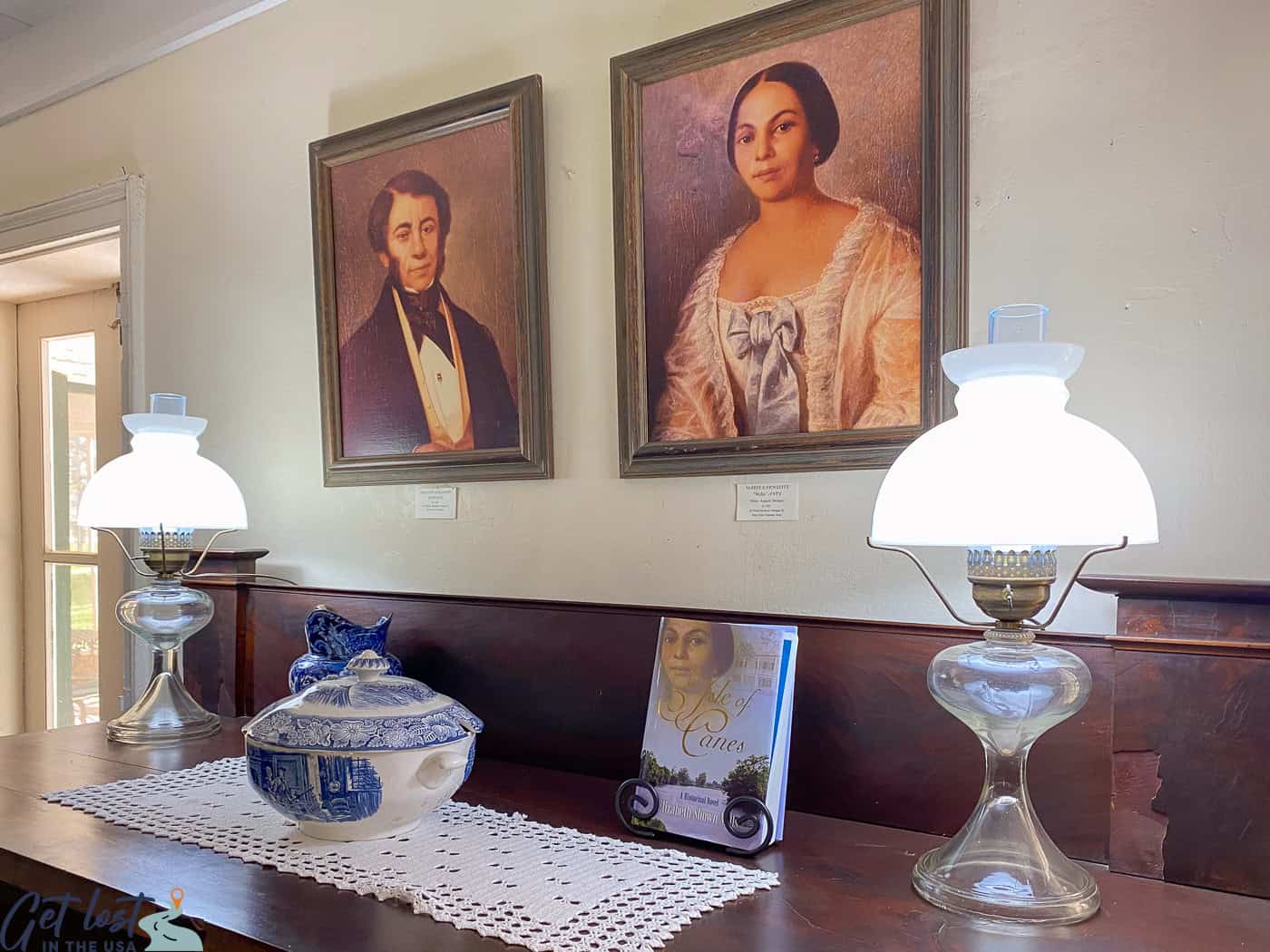
Our guide explained that the story of Melrose begins with two people: Marie Thérèse Coincoin, an enslaved woman raised at nearby Fort St. Jean Baptiste, and Claude Thomas Pierre Métoyer, a French merchant and planter.
Because the law prohibited them from marrying, Métoyer purchased Marie Thérèse and several of their children from her owner and manumitted them. Together, they raised a family whose descendants became some of the most influential members of Louisiana’s Cane River Creole community. Their son, Louis Métoyer, later established Melrose after receiving a Spanish land grant in 1796.
Marie Thérèse’s life was extraordinary, and there’s far more to her story than I can cover here. If you’d like to learn more about her legacy, I recommend reading Isle of Canes.
The Yucca House
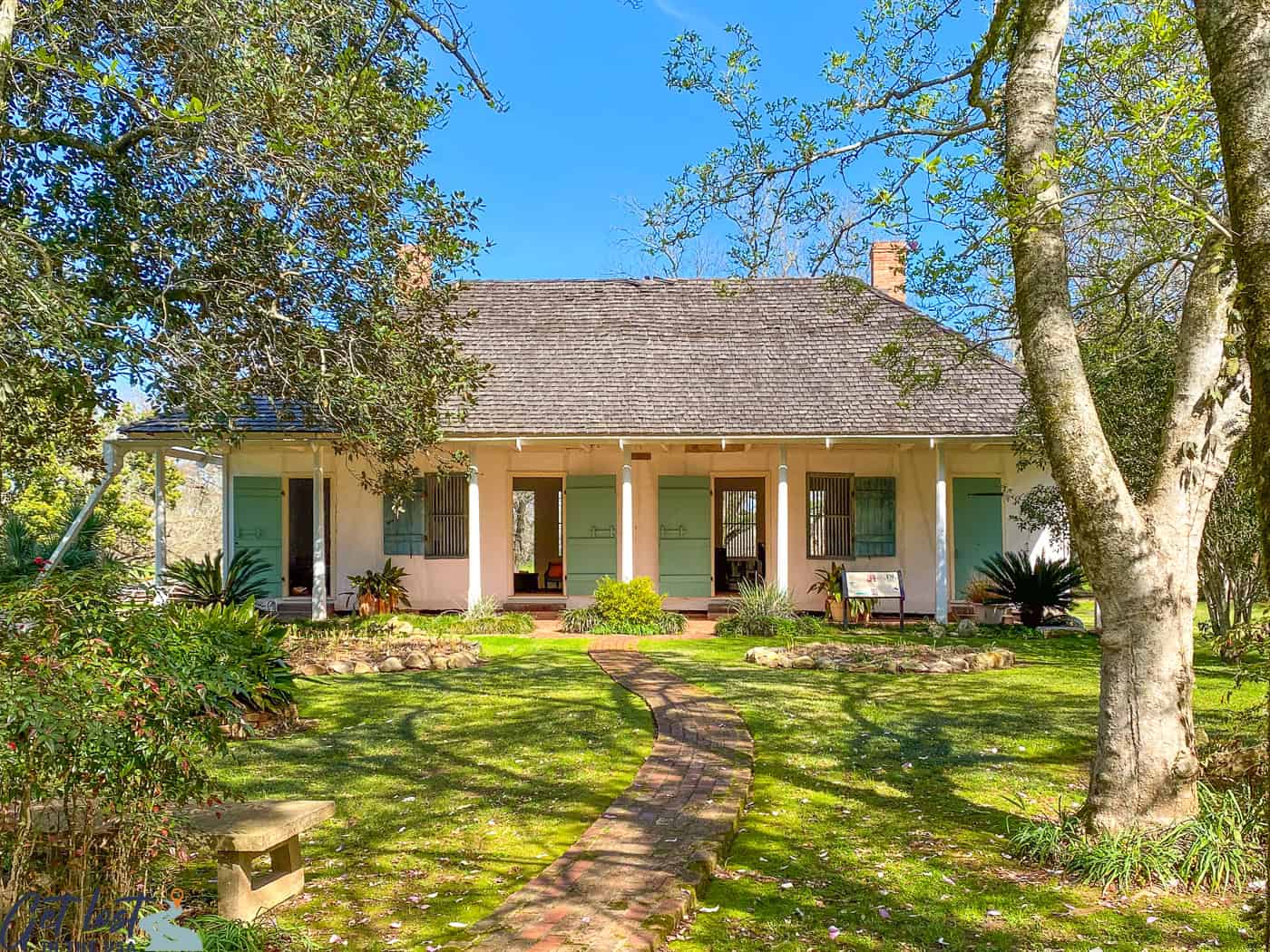
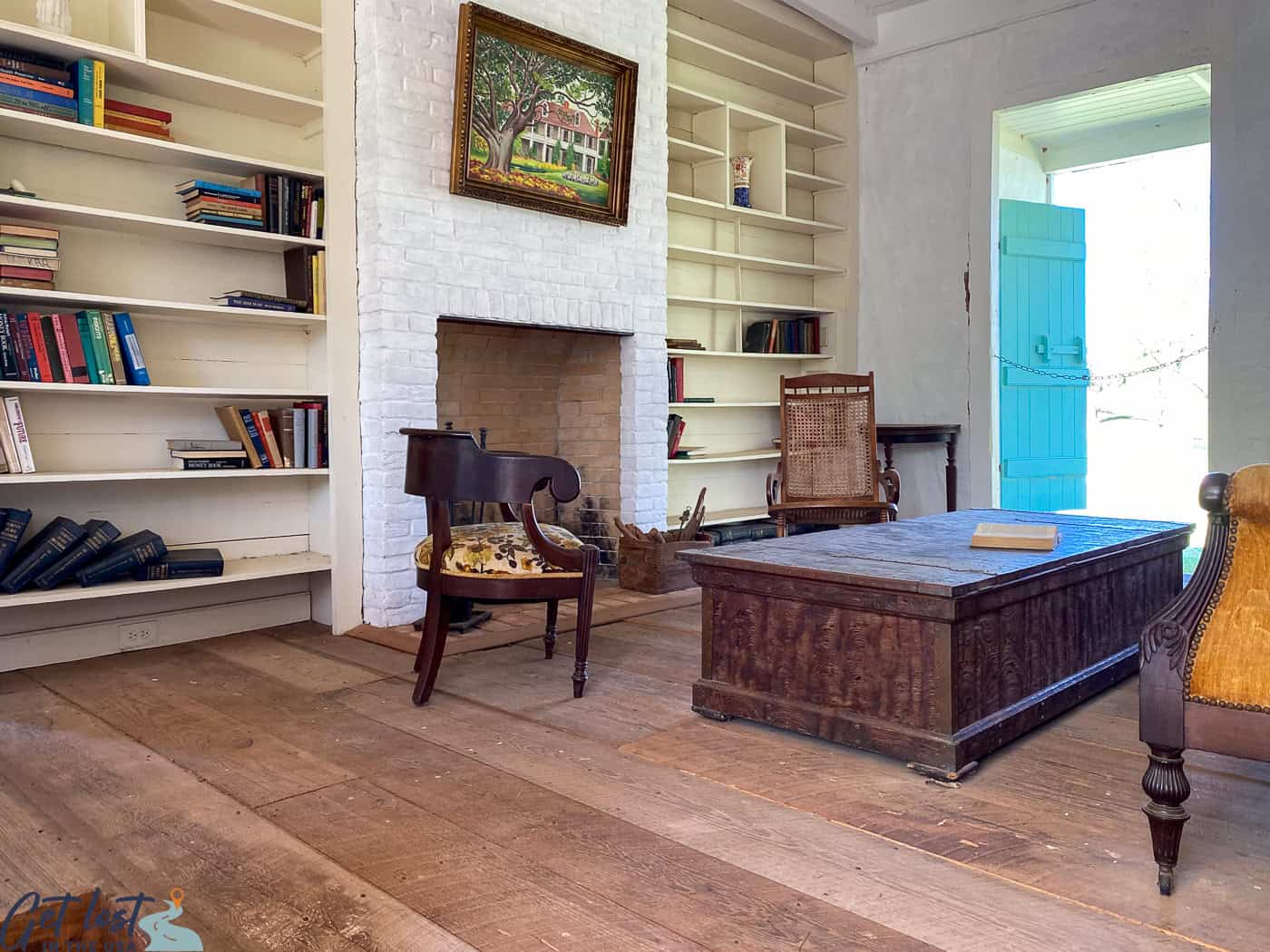
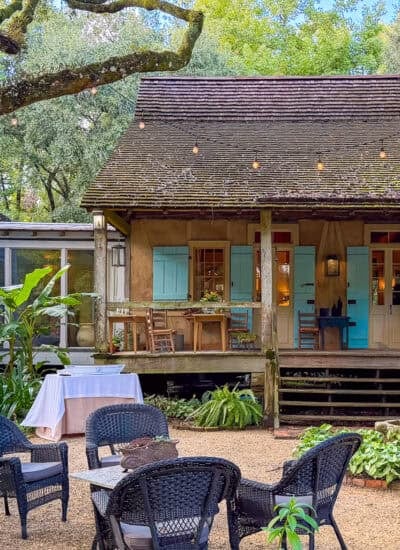
The Yucca House is the oldest home on the property. Built by Louis Métoyer between 1810 and 1815, it served as the family’s residence for decades before a larger home was built.
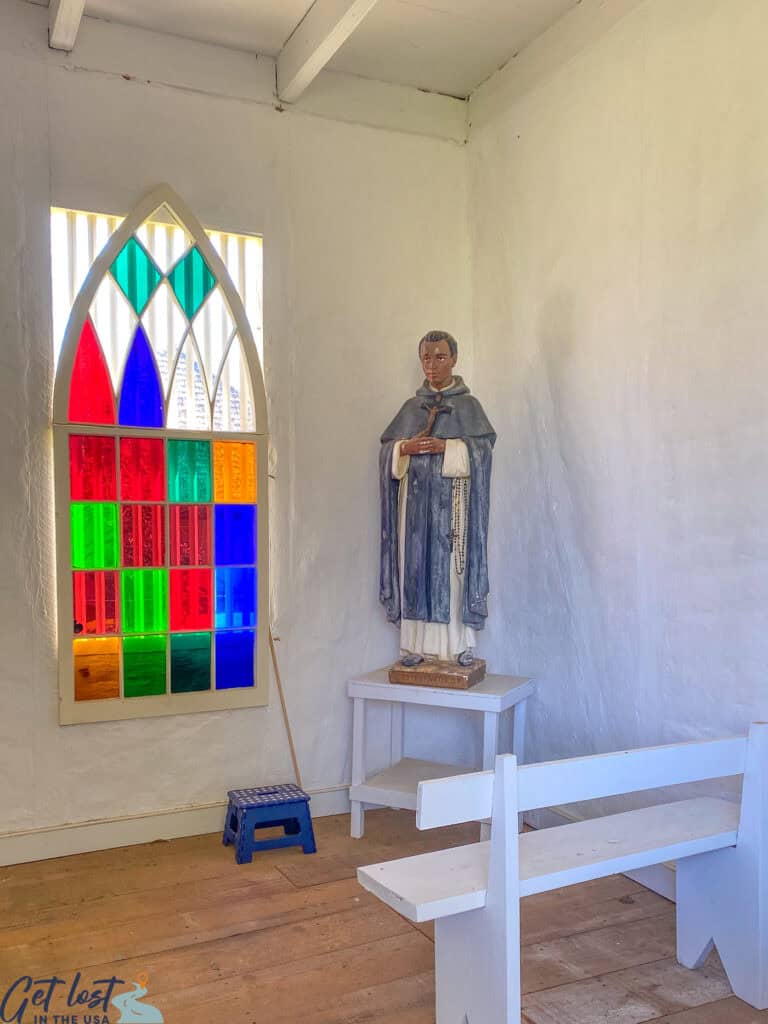
After the Henry family purchased Melrose in 1884, Carmelite “Cammie” Henry helped transform the property into a haven for writers and artists. She repurposed the Yucca House as guest quarters and built a chapel.
The Big House
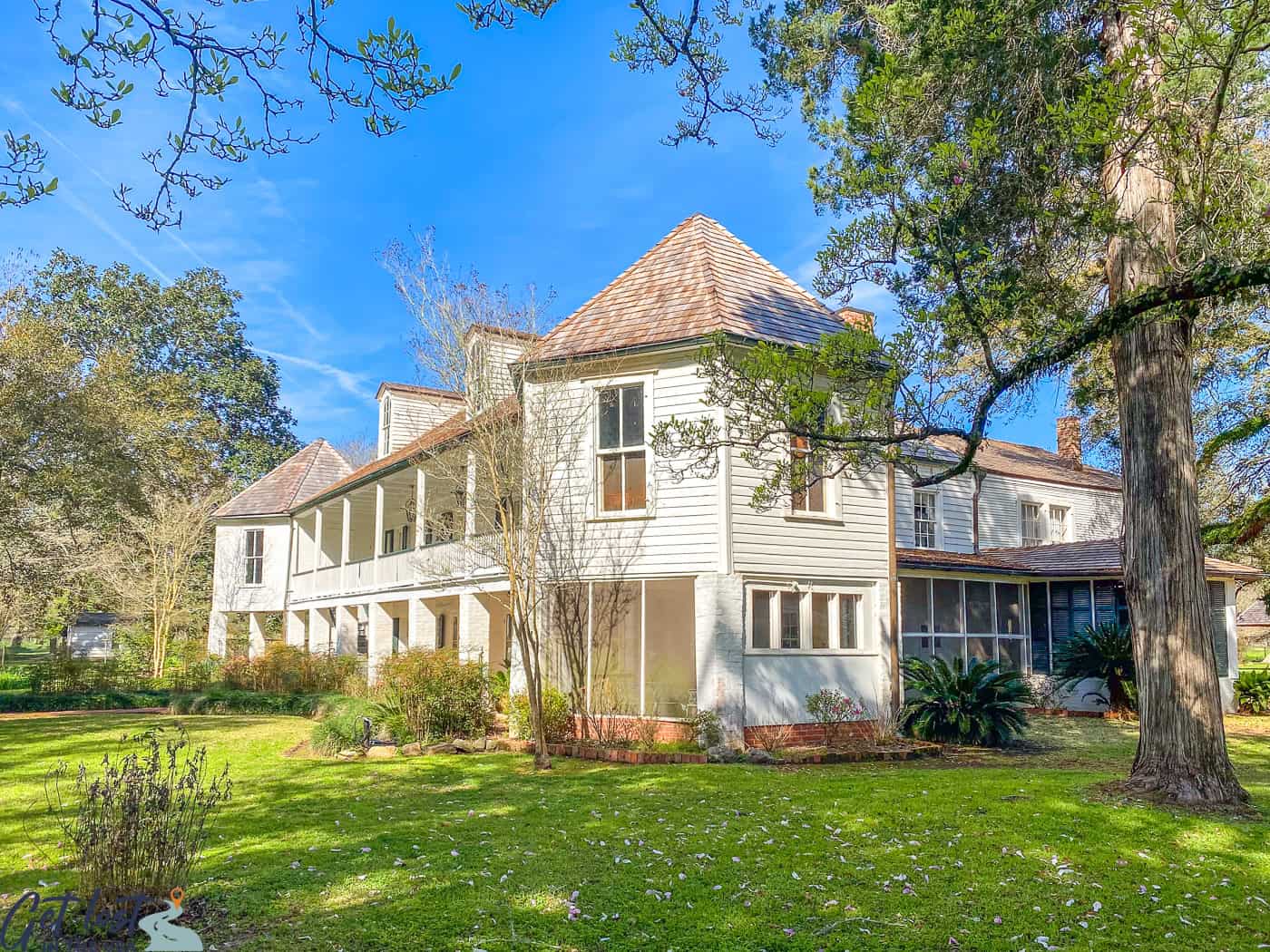
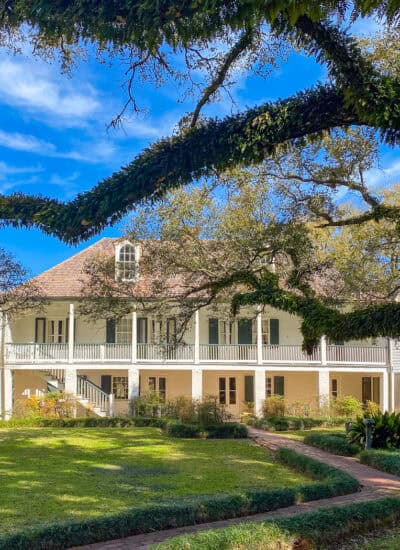
The Big House wasn’t always so big. It started out much smaller, and each family that lived here added on to it over the years. The Hertzog family made some of the biggest changes, adding eight rooms and the sweeping front gallery. Later, Cammie Henry added two garçonnières connected to the house by covered walkways.
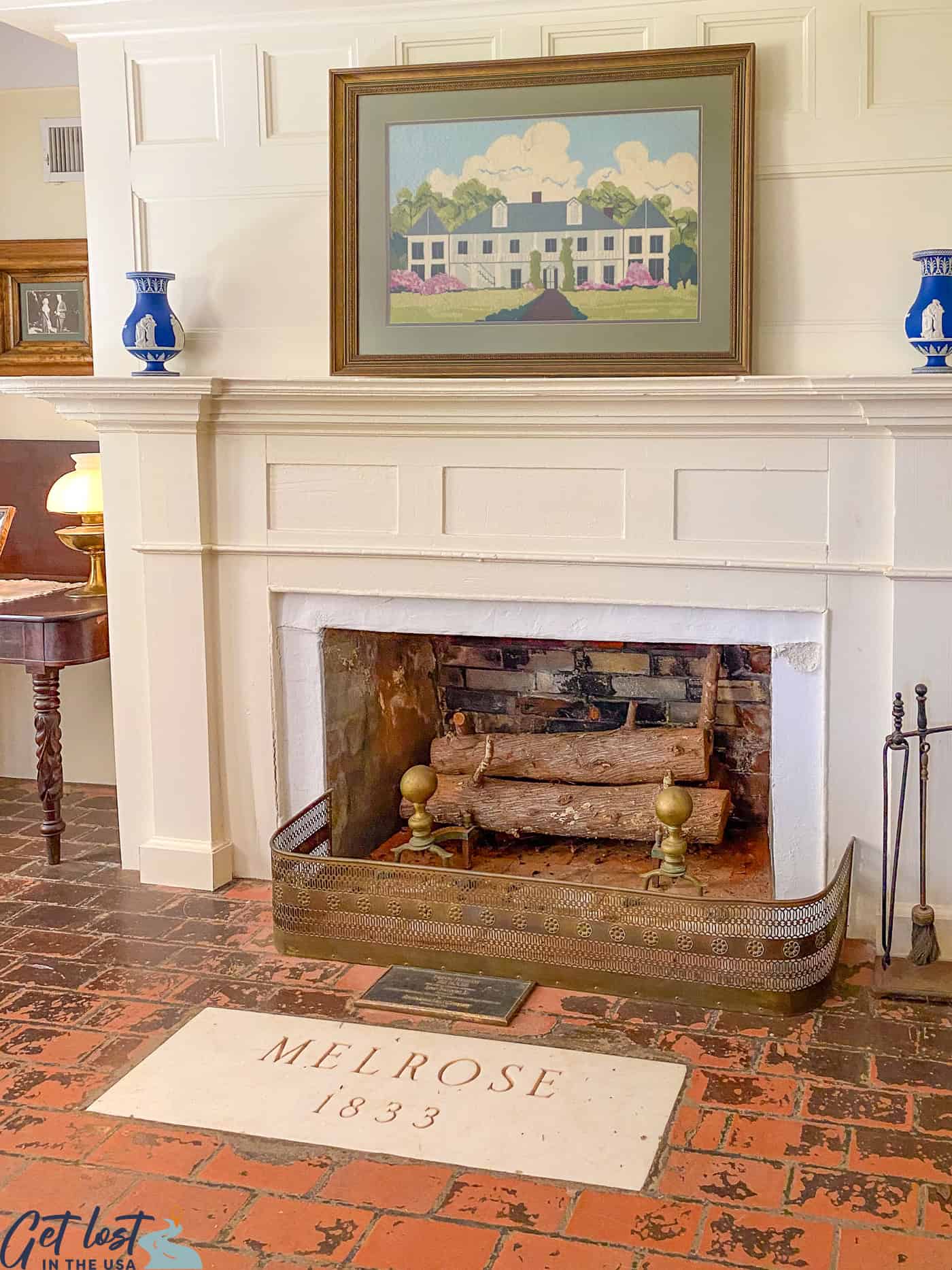
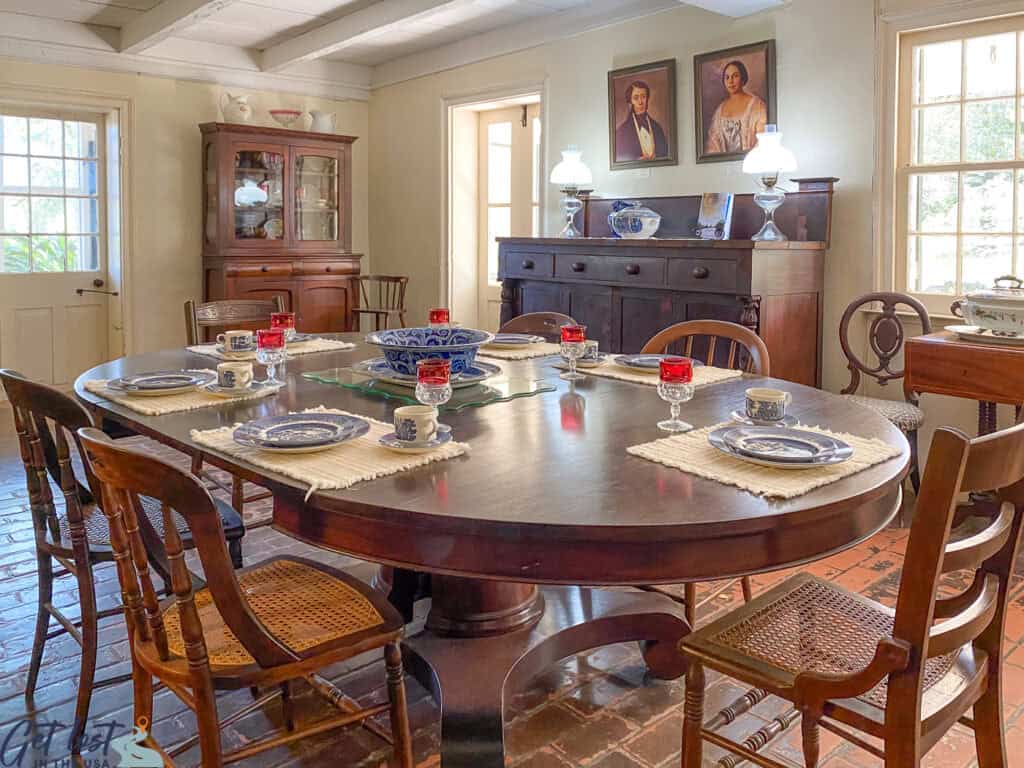
While we were in the dining room, we learned that Cammie Henry expected the writers and artists she invited to Melrose to earn their keep. At dinner each evening, she’d ask what they’d accomplished that day, and if they weren’t making progress, it was time to make room for someone else.
The African House and Clementine Hunter’s Murals
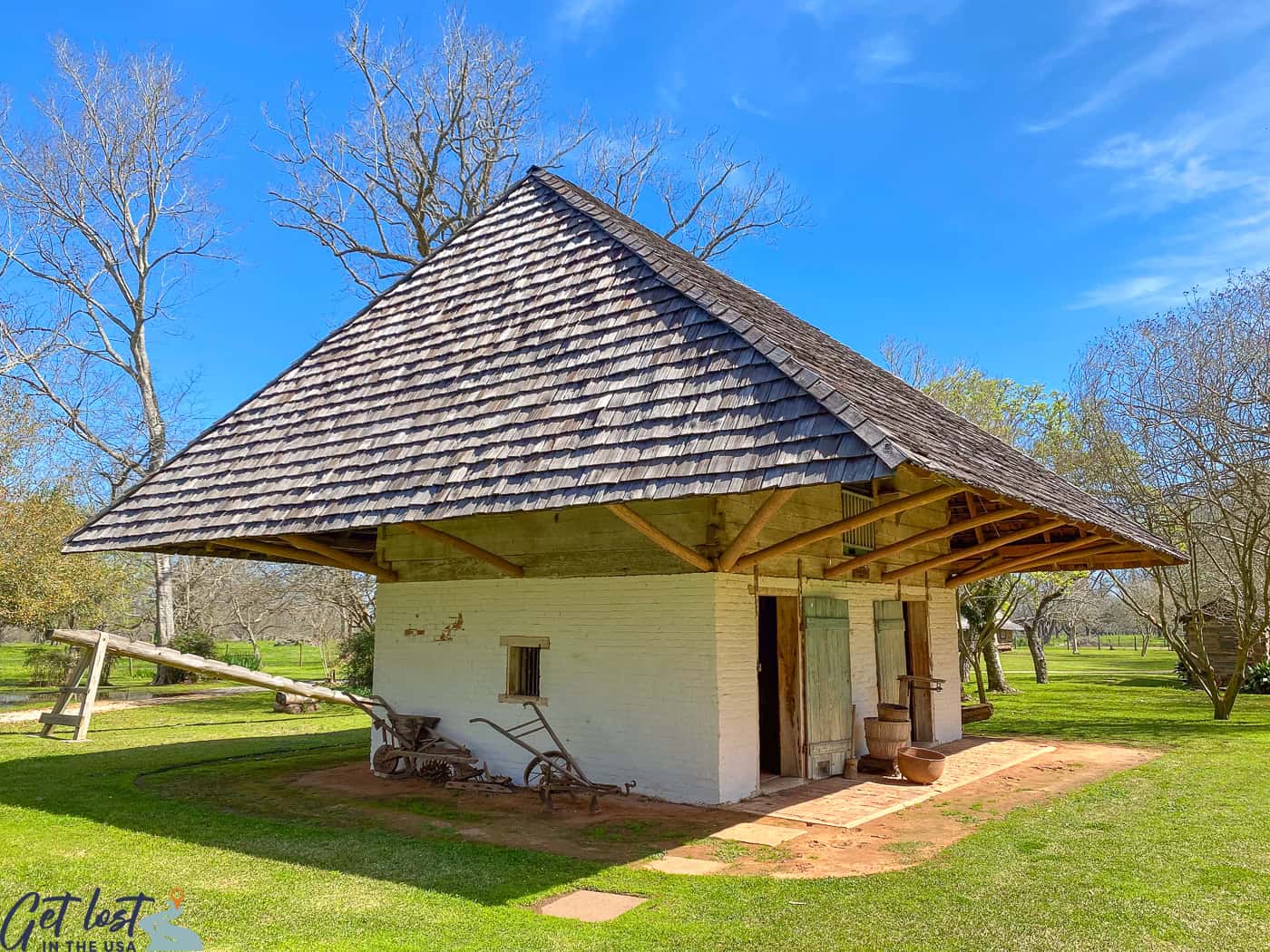
If you only have time to see one building at Melrose, I’d make it the African House. For me, this was the highlight of the entire visit.
Upstairs is where you’ll find Clementine Hunter’s colorful murals. A self-taught artist, Hunter painted scenes from everyday life around Melrose, from cotton picking and river baptisms to weddings and funerals.
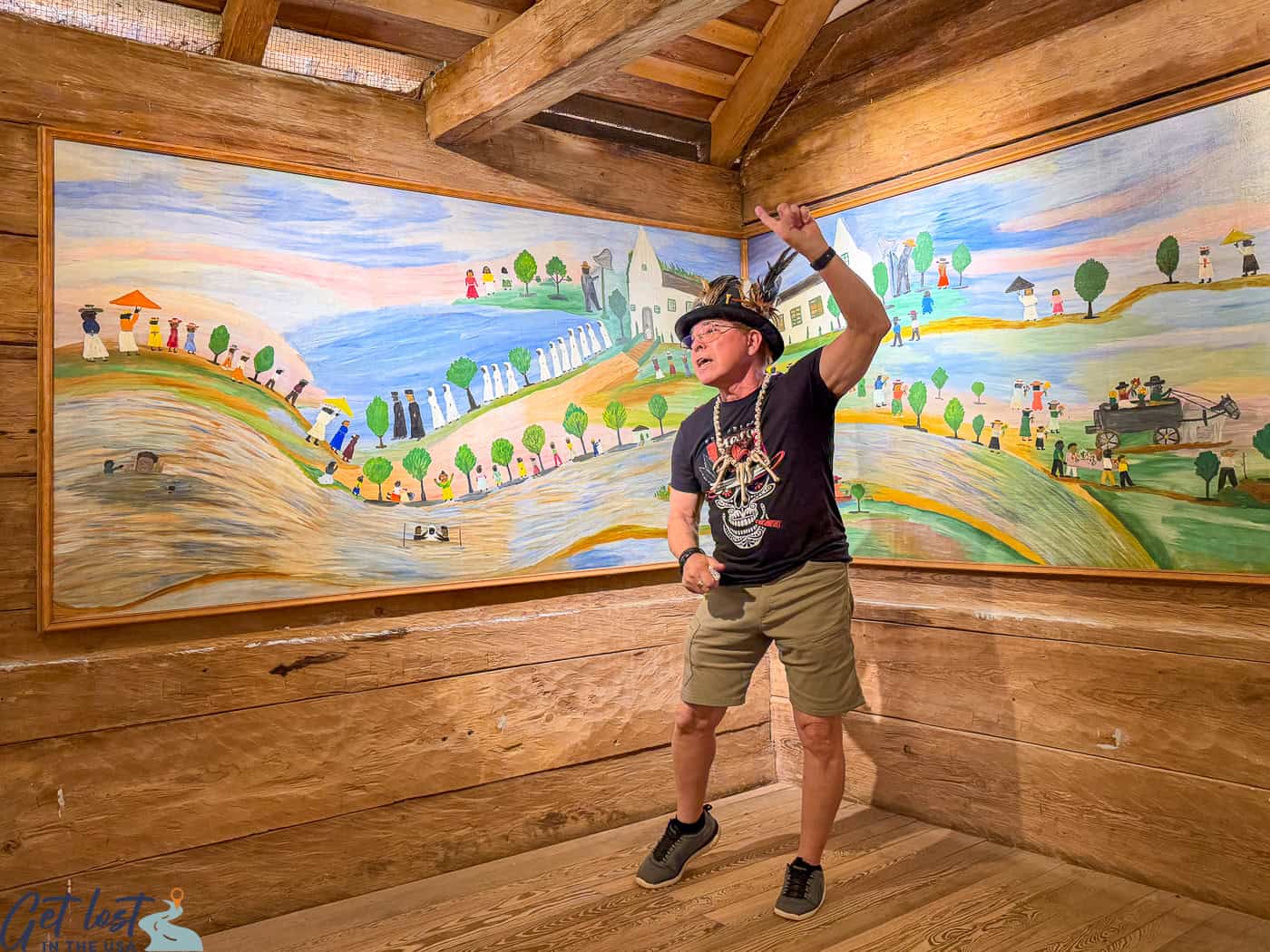
Her paintings aren’t about perfect perspective or lifelike proportions. They’re about capturing the people and everyday moments she knew best.
One fun detail is that the size of the people she painted often reflected how she felt about them. In the wedding scene, for example, the bride is noticeably larger than the groom, and the preacher is even smaller, suggesting he wasn’t one of her favorite people. You’ll also notice the wedding cake appears to be floating. According to our guide, Hunter added the cake after she’d already finished the rest of the mural.
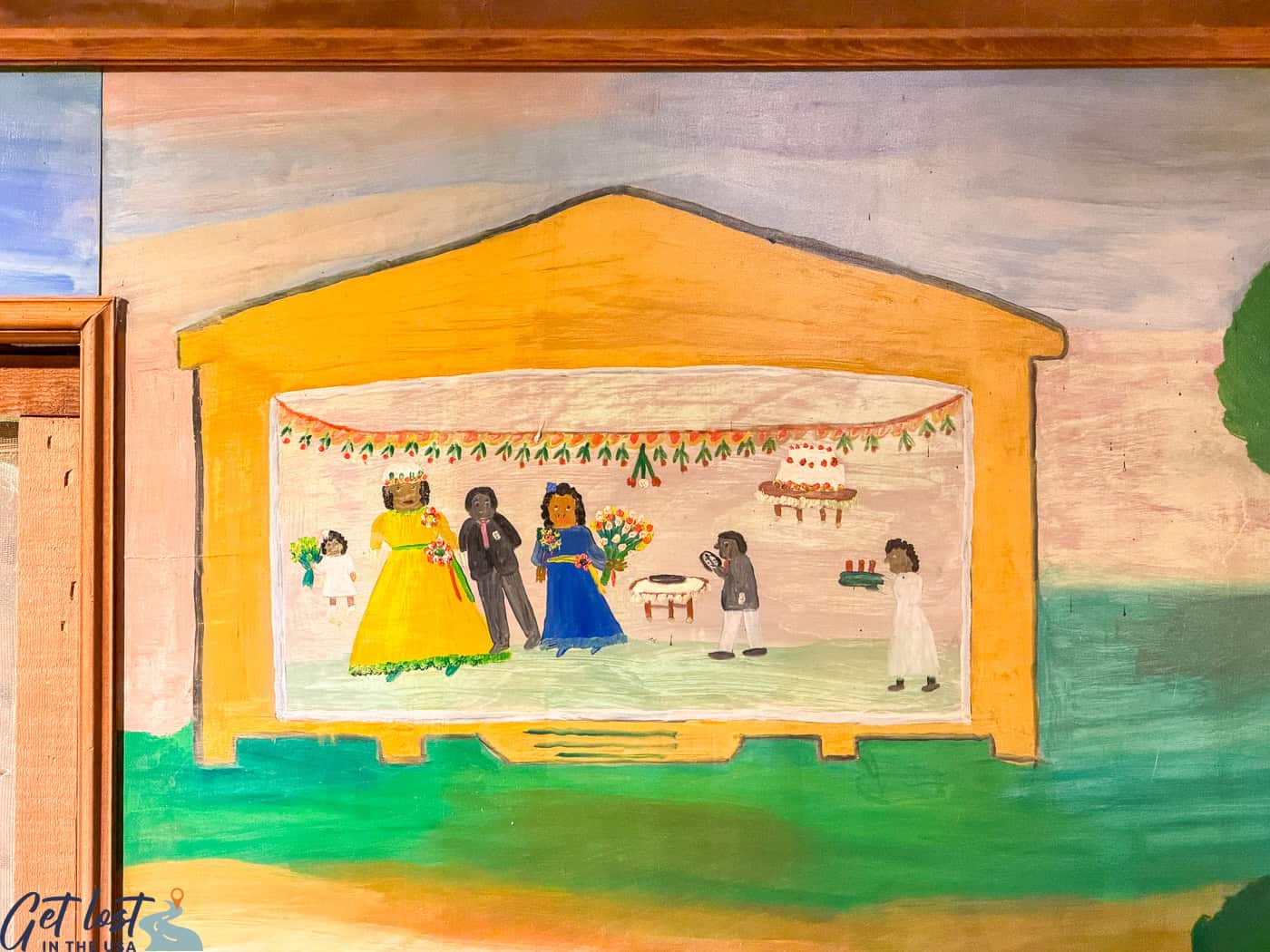
Even if you don’t know much about Clementine Hunter before your visit, it’s hard not to leave with an appreciation for the way she documented everyday life at Melrose through her art.
Final Thoughts
I’ll remember Clementine Hunter’s murals more than anything else. Seeing them in the African House, right where she painted them, was my favorite part of the visit. If you’re exploring the Natchitoches area, I think Melrose on the Cane is well worth your time.
Know Before You Go
- Address: 3533 Highway 119, Melrose, LA 71452
- Website
- Hours: Closed Monday through Wednesday. Open Thursday through Saturday from 10:00 a.m. to 4:15 p.m. and Sunday from noon to 4:15 p.m.
- Admission: Guided tours and self-guided grounds tickets are available. Check the official website for current pricing and tour availability.
- Guided tours: Thursday through Saturday at 10:15 a.m., 11:30 a.m., 12:45 p.m., 2:00 p.m., and 3:15 p.m.; Sunday at 12:45 p.m., 2:00 p.m., and 3:15 p.m.
- My recommendation: Take the guided tour. It’s the only way to access the Big House and the second floor of the African House, where you’ll find Clementine Hunter’s murals. For me, that alone was worth taking the guided tour.
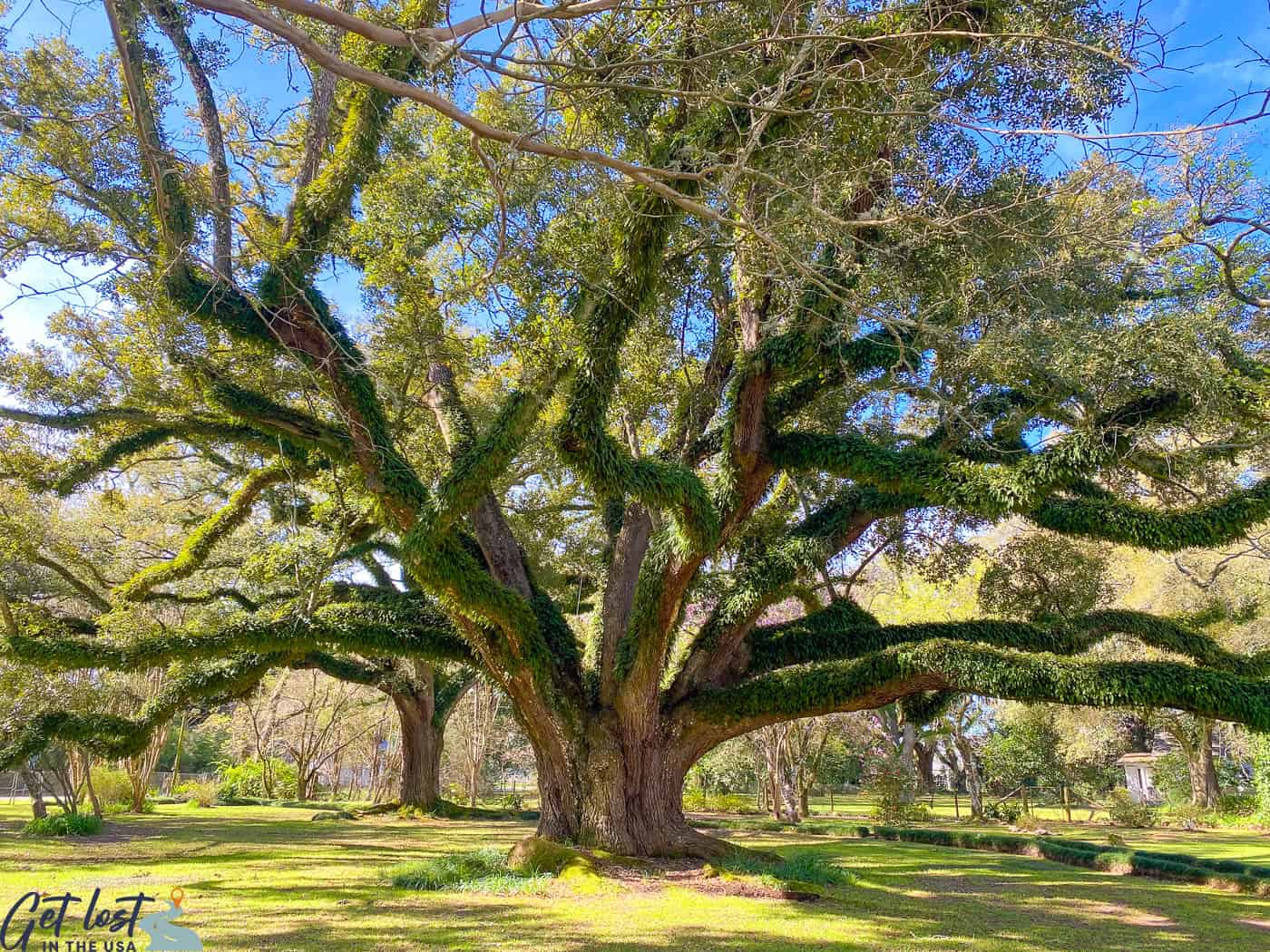
- Plan for 1½ to 2 hours. Once the guided tour ends, don’t head straight for the parking lot. Take some time to wander the grounds, visit Clementine Hunter’s cabin, check out the restored artists’ studios, and admire the spectacular live oaks and magnolia trees.
- Accessibility: Be prepared for uneven ground. You’ll be walking on brick paths, gravel, and grass, and the guided tour includes several sets of stairs, including the climb to the second floor of the African House. If you have mobility concerns, I’d recommend calling ahead before your visit.
- Restrooms: Available at the visitor center.



Leave A Reply!