When I toured the Seward House Museum in Auburn, NY, I expected a pretty standard historic home. Instead, the tour opened up a much deeper story, especially the ties to Harriet Tubman’s legacy through Frances Seward’s antislavery work. It’s a compelling mix of politics, family life, and meaningful history, all packed into a one-hour guided tour.

About the Seward House
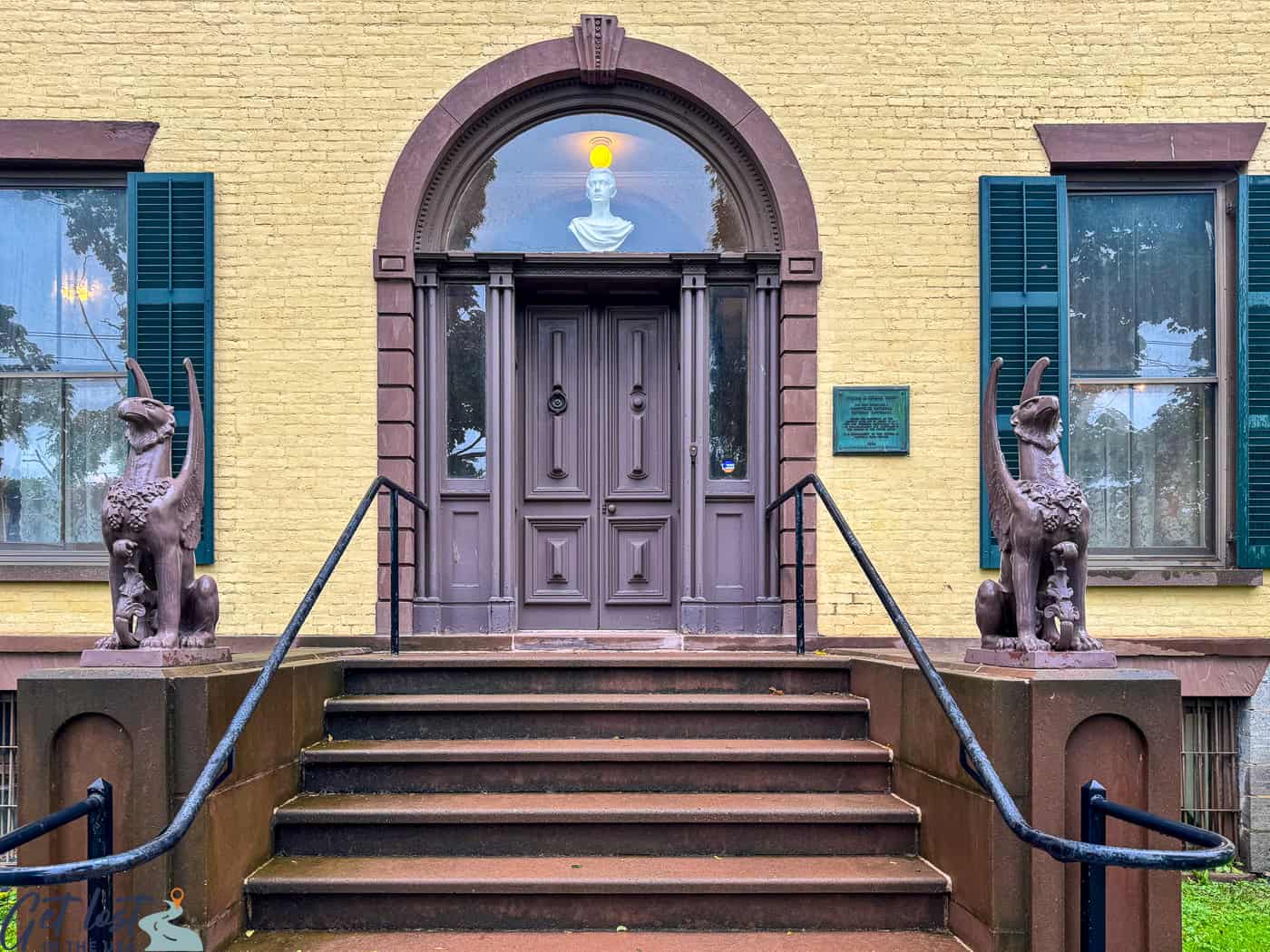
Our tour began at the front door, where we learned Elijah Miller, a local judge, built the house in 1816 and moved in with his daughters, Frances and Lisette (more on Frances later). It was one of the first brick houses in Auburn. Five generations of the same family lived in this house from its construction in 1816 through 1951, so the furnishings reflect many different styles.
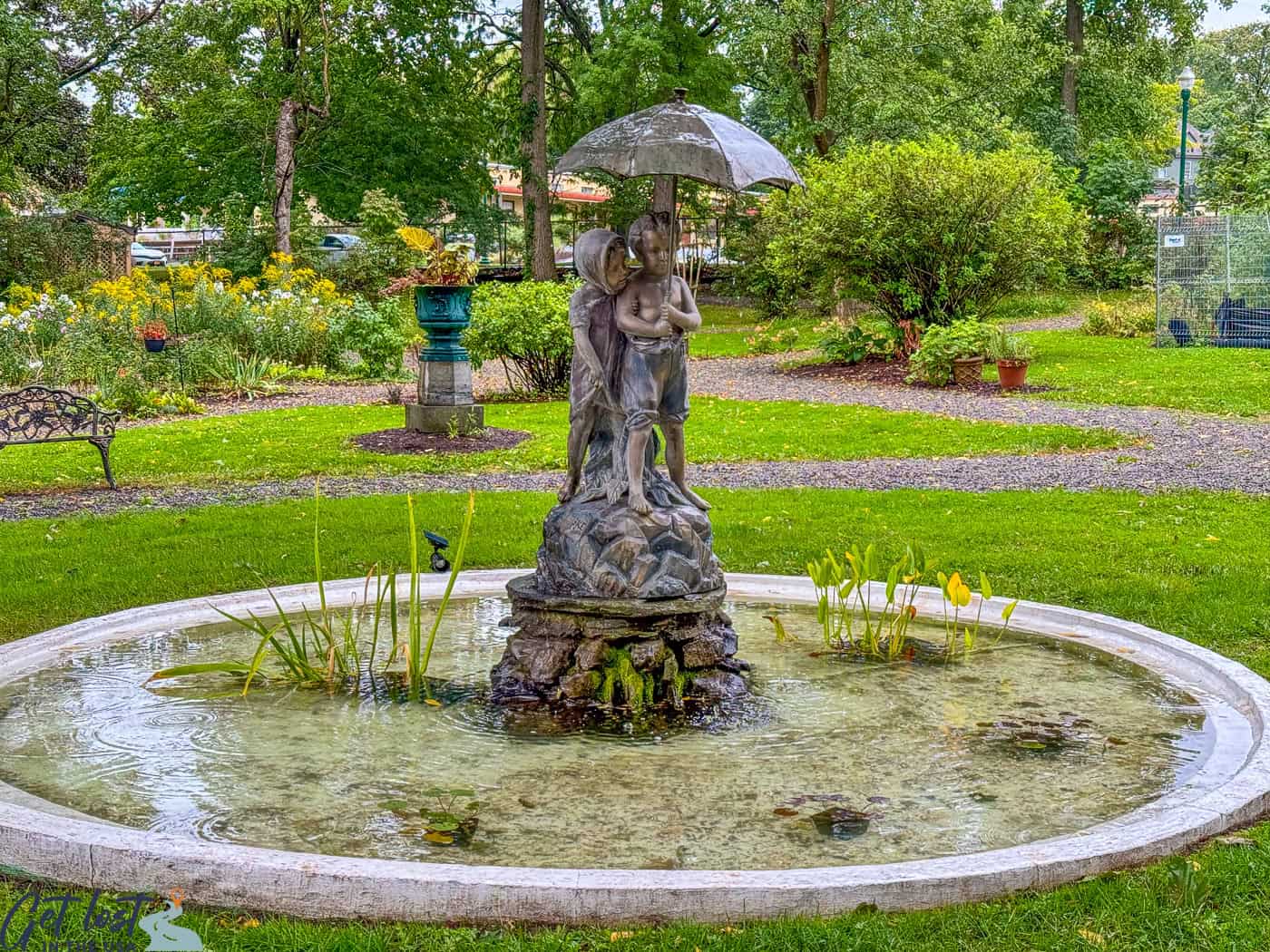
The Parlor and the People Who Started it All

Inside, we began in the parlor, the formal room where the family met their guests. Visitors left a calling card and had a tightly timed fifteen-minute visit before being shown out. If you stayed longer than that, you were considered rude, which honestly sounds like a social rule worth bringing back. Just me?
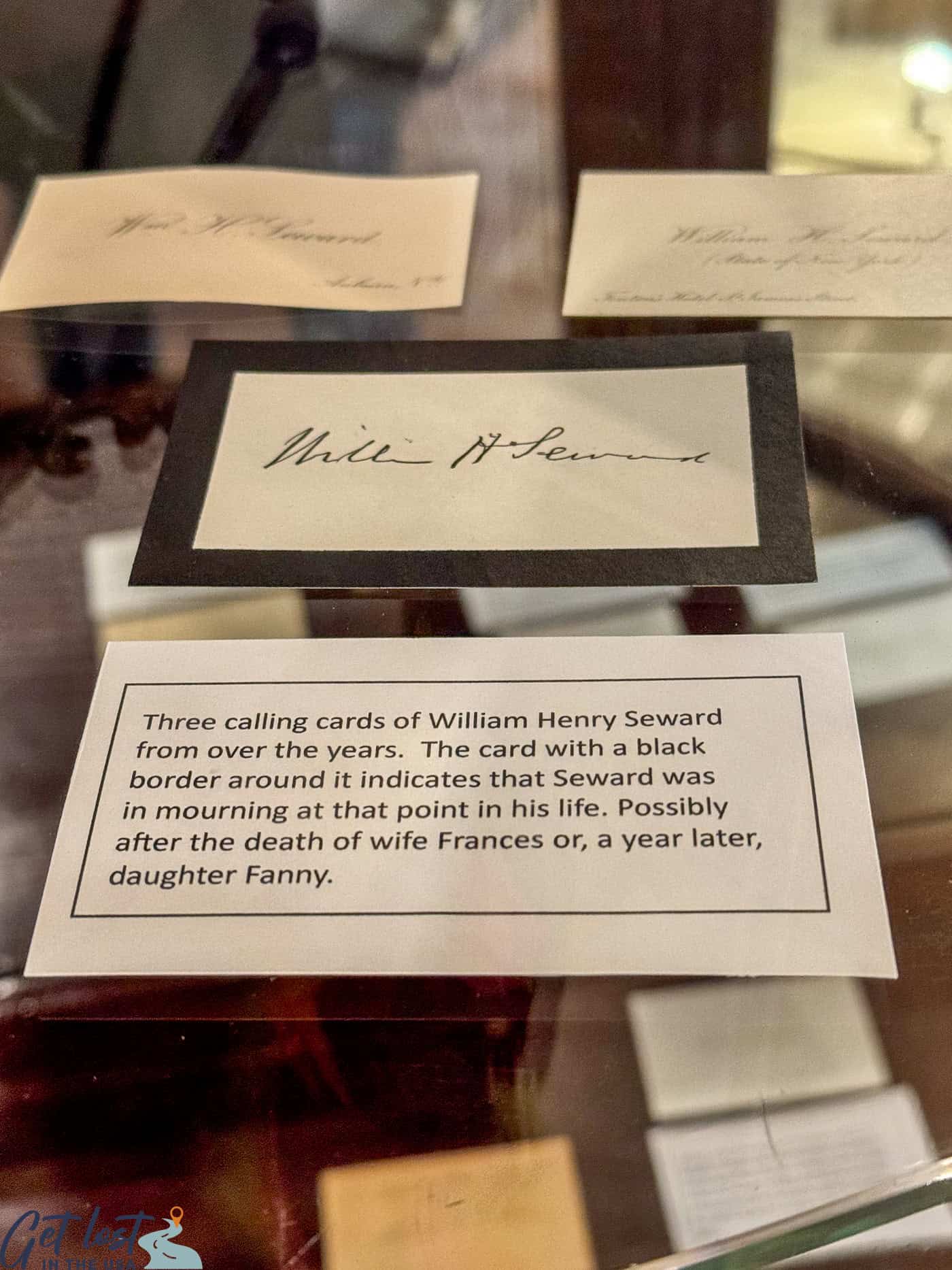
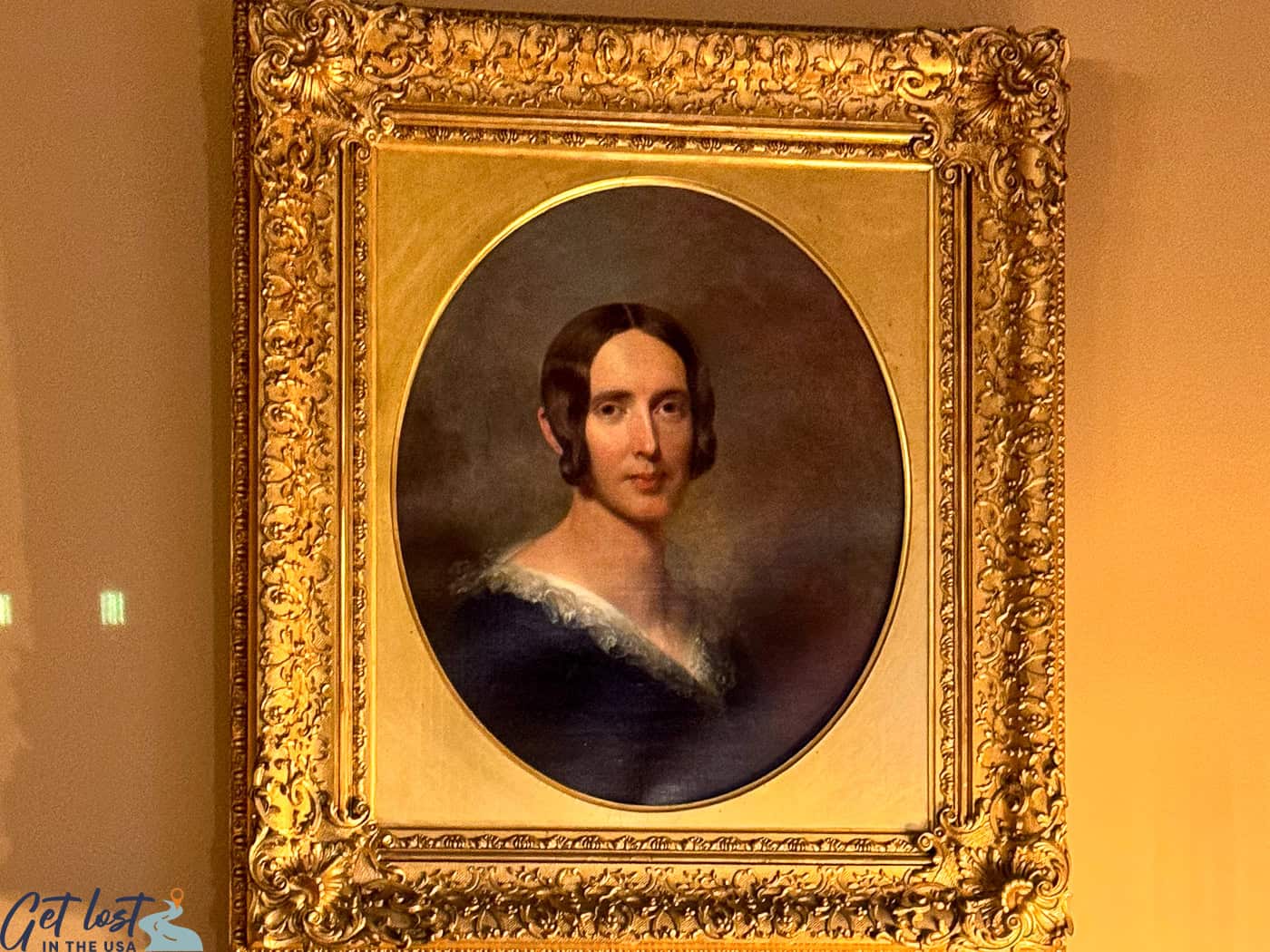
Our guide also introduced us to William Seward and Frances Miller. Frances would eventually become Frances Seward, but not before attending the Emma Willard Seminary for Girls in Troy, New York. There she studied science, math, and history, subjects women were not really expected to study at the time.
She visited her classmate Cornelia Seward during a school break, met Cornelia’s brother William, and things took a turn for the romantic. William asked Frances’s father for permission to marry her. He agreed on the condition that they move into her family home rather than the other way around.

Seward on the Way Up

We moved into the library next, where we learned about Seward’s fast-moving political career. He served as New York senator, New York governor, and then United States senator, becoming one of the strongest antislavery voices in the country. His Higher Law speech argued that moral law stood above federal law.
Seward’s views put him in a leading position for the 1860 Republican nomination. His standing in the race was so strong that his advisor Thurlow Weed sent him to Europe to meet international leaders while Weed ran the campaign at home. Overseas, Seward was treated like a president-in-waiting. The world expected him to win.
Meanwhile, Lincoln stayed home and quietly gathered support. Seward returned to Auburn, threw a party to celebrate his anticipated nomination, and learned in the middle of it that he had lost. (womp womp)
Lincoln understood Seward’s influence and appointed him Secretary of State. Seward played a major role in keeping Britain out of the Civil War and helped Lincoln edit both the Emancipation Proclamation and the 13th Amendment.

Frances Seward’s Role in the Story
While Seward was traveling and shaping foreign policy, Frances Seward was shaping change at home. She wrote thousands of letters urging him to be even more progressive. She worked in the local women’s rights movement with Lucretia Mott, Martha Coffin Wright, and Harriet Tubman.
Thanks to the Married Women’s Property Rights Act, which she helped promote, Frances inherited the house from her father and used her status as a property owner to sell the land to Tubman for her home. She also established the Seward basement as a safe stop for freedom seekers moving north.

A Daughter Lost and a Library Frozen in Time
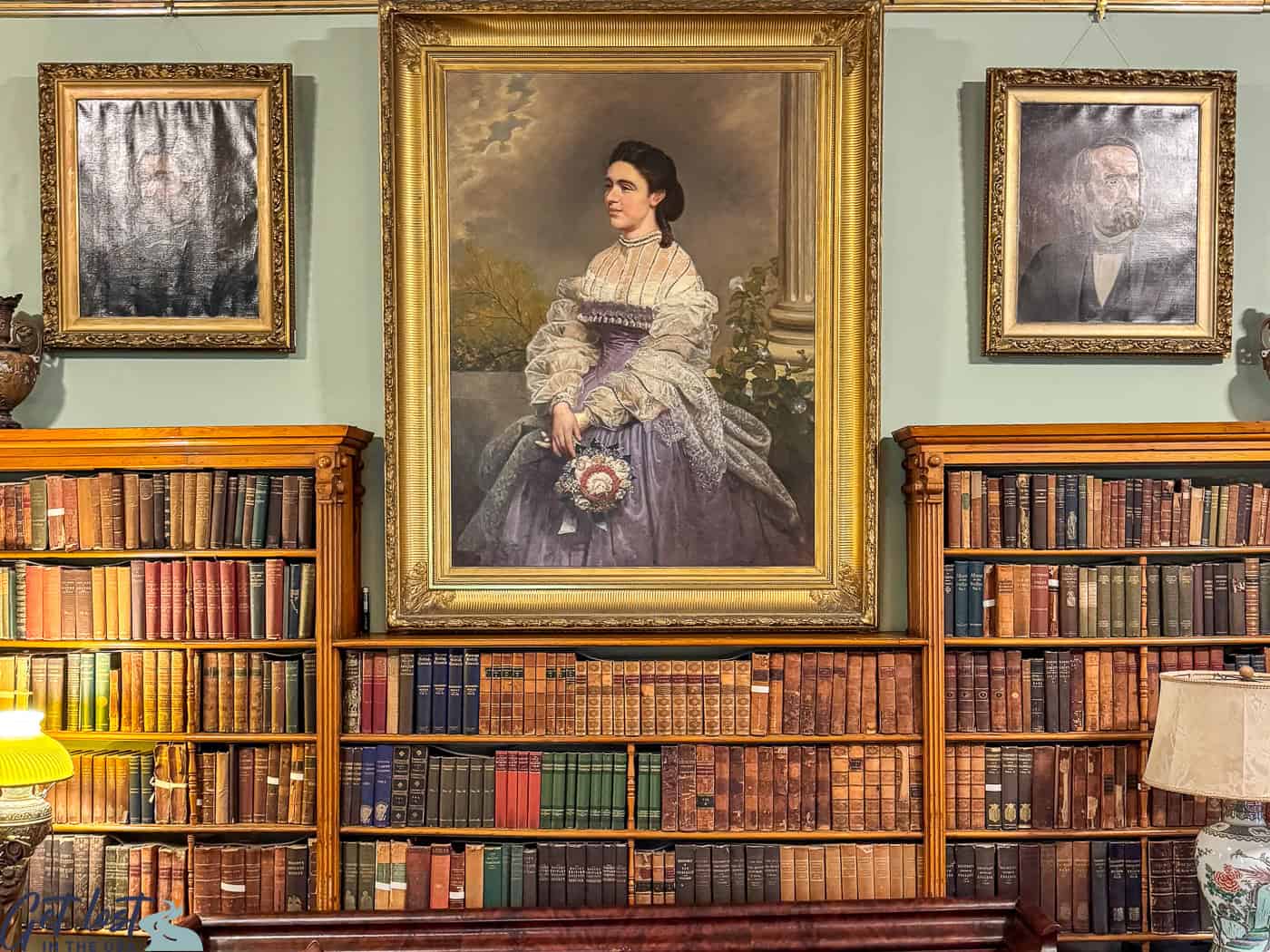
The next room focused on Fanny, the Sewards’ youngest daughter. When she died at twenty-one, William arranged her books exactly as she kept them. The shelves hold poetry, Shakespeare, and sentimental novels with her handwritten notes inside. It’s considered one of the most complete and well-preserved nineteenth-century libraries for young women.
The portrait painted to memorialize her uses common Victorian symbols of early death: a downturned bouquet, a white glove indicating a lifeless hand, morning glories for a short life, and storm clouds breaking into sunlight to show her passage into the afterlife.
The Drawing Room

From there, we stepped into the drawing room, a bright Victorian-era space with children’s games still on display. We met the rest of the Seward children through portraits: Augustus, the quiet mystery; Frederick, the political copy of his father; and Will Jr, who apparently rode his horse down South Street at night and once had to be pulled out of a bar at age twelve.
Will Jr’s son, Will the Third, was the last Seward to live in the house. When he died in 1951, he left the entire estate intact to be cared for and eventually opened to the public.
Dining Room Diplomacy

The dining room came next. Seward had a strategy he called dining room diplomacy. Instead of booming speeches, he preferred long dinners where he seated political opponents next to each other on purpose, let them argue for hours, and then swooped in to guide them to the conclusion he wanted. He used this strategy to help secure support for the purchase of Alaska. The deal was completed at four in the morning and earned the nickname “the Deal Done in the Dark,” and later, “Seward’s Folly.”
The house is also filled with gifts Seward received during his post-retirement travels, including a Burmese Buddha, a Cypriot amphora, Japanese prayer chests, Mexican paintings, Russian teapots, and a set of Cuban cigars.
The Tormentors and the Room History Forgot
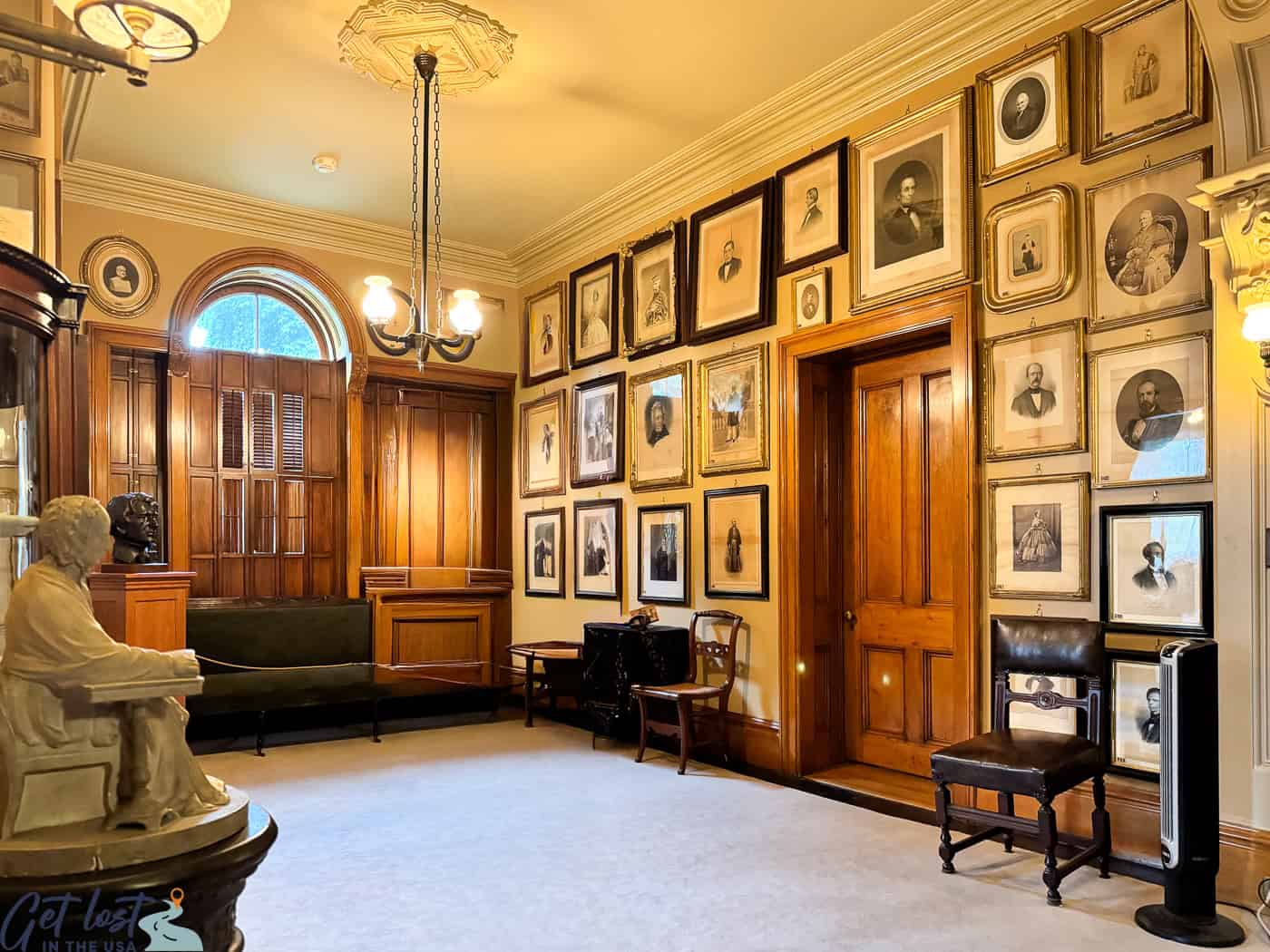
Upstairs is the Diplomat Gallery, a hallway covered in portraits. Seward exchanged portraits with political figures the way we exchange business cards. When he retired, he hung hundreds of them in this corridor and called it “The Tormentors”.

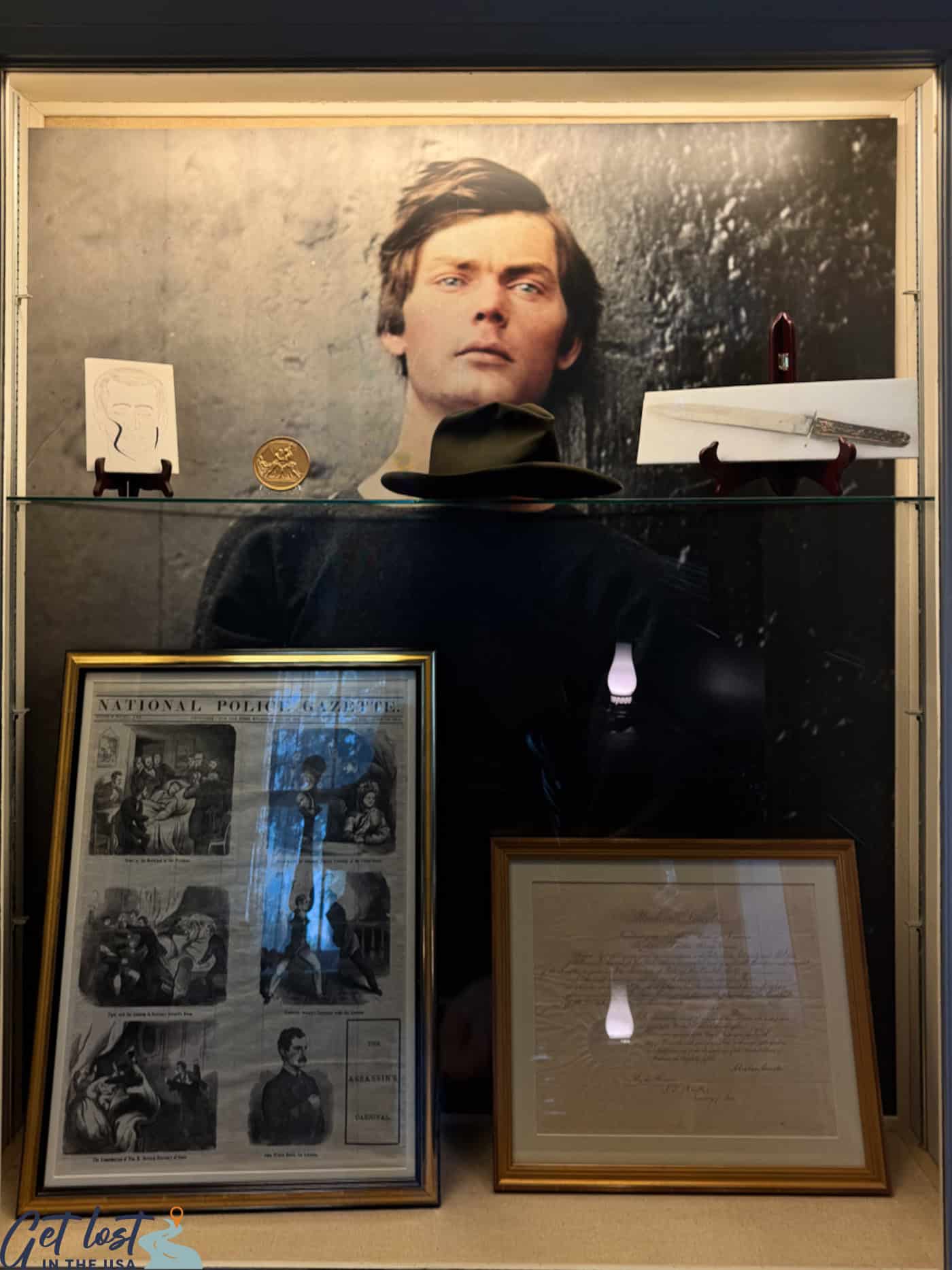
Around the corner is the Washington bedroom, a recreation of the Washington, D.C. bedroom Secretary of State Seward slept in on the night Lincoln was assassinated. Seward survived a violent assassination attempt meant to happen at the same moment Lincoln was shot. It’s a part of the story many people never hear about, and the room’s exhibits lay out the events.
Seward’s Office in the Staff Quarters
Our final guided stop was Seward’s home office. He had it built in the staff quarters because he thought it would be quieter there than in the main part of the house. This is where he spent his last years writing his travel memoirs and autobiography. He ate, slept, and eventually died here in 1872 at age seventy-one from pneumonia, surrounded by his family. His last words were: “Love one another.”

Basement: Harriet Tubman Exhibit and Underground Railroad

Downstairs is a self-guided exhibit titled “Forged in Freedom: The Bond of the Seward-Tubman Families.” It explores the working relationship between Harriet Tubman and the Seward family, including the fact that Tubman’s daughter stayed with them while Tubman was in Auburn working elsewhere. The exhibit also shares a story about Tubman having a premonition of Fanny Seward’s death, described as a vision of an empty chariot in the air heading south.
The Underground Railroad stop in the house was the basement kitchen. No records were kept of how many people passed through the Seward home, because keeping such records would have been illegal. But letters written in the late 1800s by formerly enslaved people describe the household as hospitable.

Final Thoughts
The Seward House Museum covers a lot in one visit. I walked away with a fuller picture of the Seward family, the political world William moved through, the chaos of the assassination attempt, and the Underground Railroad work tied to Frances Seward and Harriet Tubman. It’s well worth taking the guided tour.
Know Before You Go
- Address: 33 South St., Auburn, NY 13021
- Hours: Tuesday-Saturday 10-5, Sundays (Jun-Sep) 1-5. Closed Jan, Feb, and most holidays.
- Admission: Please check the museum’s website for current ticket prices and any special discounts.
- Guided Tours: Guided only; beginning on the hour. Last tour of the day is 4 pm. Advance reservations are recommended. Check the schedule in advance as private tours or school trips may affect tour availability.
- Parking: The museum has a small parking lot. If it’s full, the Auburn Parking Garage is $1.00 per hour.
- Photography: Photos allowed, but no flash.
- Accessibility: The first floor of the museum is wheelchair accessible.
- Restrooms: Yes
- Gift Shop: Yes
- Website






Leave A Reply!